







Introduction:As the largest washed Arabica coffee exporter in Central America, Honduras has recently encountered significant challenges due to extreme weather conditions and severe air pollution. Prolonged high temperatures and droughts, frequent forest fires, delayed rainy seasons, and deteriorating air quality are directly impacting the growth and flowering periods of coffee plants. This article delves into the environmental crises currently faced by Honduras' coffee industry and how these factors are influencing production and export performance for the 2023/24 season, helping readers understand the potential risks behind the global specialty coffee supply chain.
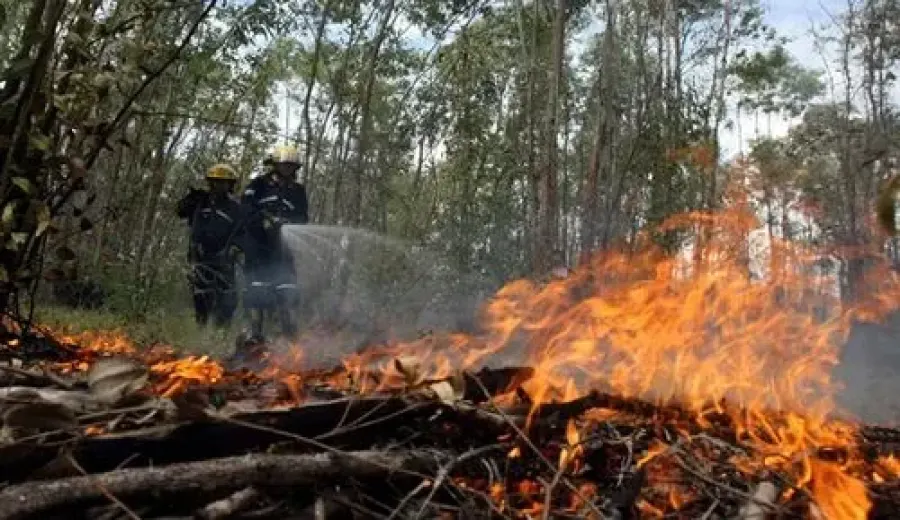
Honduras is one of the world’s key producers and exporters of washed Arabica coffee, but it is now facing a dual crisis of declining production and exports due to extreme climate and air pollution issues. The country is not only enduring persistent high temperatures and droughts but also suffering from frequent forest fires that have caused air quality in the capital region to rank among the worst three globally. Currently, the central region has been placed under an indefinite red alert.
According to official statistics, since the beginning of 2024, Honduras has experienced over 1,903 forest fires nationwide, burning more than 150,000 hectares of land. In some areas, temperatures have soared to between 38–40°C, marking the highest levels recorded since 1992. These fires have not only destroyed natural ecosystems, but the massive amounts of smoke and harmful gases released also pose a serious threat to the growing environment of crops.
In addition to fires, multiple sources of pollution—including agricultural burning, vehicle exhaust, and industrial emissions—have led to soaring concentrations of airborne particulate matter such as PM1, PM2.5, and PM10, along with toxic gases including carbon monoxide, carbon dioxide, sulfur dioxide, and ozone. These pollutants not only affect public health but also directly interfere with the photosynthesis and transpiration processes of coffee plants, leading to leaf damage, shedding, and even exacerbating drought conditions.
The Honduran National Risk Management Department has reported that due to the high levels of various pollutants in the atmosphere, reduced visibility and rising temperatures have prompted the central region of the capital to initiate an indefinite red alert starting May 7, while other regions have entered a green alert status. Experts estimate that the air pollution issue is unlikely to ease until there is a change in wind direction, increased atmospheric instability at higher altitudes, and the arrival of the rainy season.
However, affected by the El Niño phenomenon, the rainy season—which typically arrives in May—has been significantly delayed this year, and national rainfall is expected to be nearly 40% lower than last year. This poses an additional blow to coffee plants, which are currently in a critical growth and flowering phase. The dual shortage of water and poor air quality during this key period for coffee farmers will directly impact the final yield and quality of coffee beans.
Notably, the central region, where pollution is most severe, is home to two of Honduras’ major coffee-producing areas—Concepción de La Unión (Conayagua) and El Paraíso—accounting for a combined 28% of the country’s total coffee output. Substances such as sulfur dioxide and ozone in the air can hinder the normal functioning of plant stomata, further suppressing nutrient absorption and photosynthetic efficiency, presenting a major challenge for coffee farmers.
According to data from the Honduran Coffee Institute (IHCAFE), between October 2023 and March 2024, the country exported 19.32 million bags of coffee (each bag weighing 60 kg), a 3.71% decline compared to the same period the previous year. Although monthly exports in April reached 760,000 bags—an annual increase of 2.29%—the cumulative exports for the entire 2023/24 season still fell by 2.09% compared to the same period last year, with a forecasted annual export decline of 6.6%.
Overall, Honduras’ coffee industry is currently under dual pressure from climate and environmental factors, with significant strain on both the growing environment and export performance. For global coffee buyers and consumers, the future stability of Honduran coffee bean supply and consistency in quality may be compromised, making this an issue worthy of continued attention.
The above content is compiled by CoffeeHunters, a coffee news website.


