







Introduction:The extraction quality of espresso isn’t just the result of the beans and grind size—it’s also hidden in the details of daily operation. This article delves into four commonly overlooked key habits: the necessity of preheating by releasing water before extraction, the scorch-prevention technique of removing the portafilter immediately after brewing, the flavor and equipment wear risks of leaving the portafilter on the group head for extended periods, and the deep-cleaning method for the brew head crevices. Mastering these practical points can effectively enhance the pure flavor of every shot of espresso and extend the machine’s lifespan.
During the espresso extraction process, some operations may seem trivial but can significantly affect the taste of the coffee and the performance of the machine over time. Below, we’ll detail four easily ignored aspects: why it’s necessary to release some hot water before extraction, why the portafilter should be removed immediately after brewing, the potential risks of leaving the portafilter on the group head for too long, and how to properly clean the crevices around the brew head. Each detail comes with specific reasons and practical advice to help you establish a more standardized extraction process, making every shot of espresso more consistent and delicious.
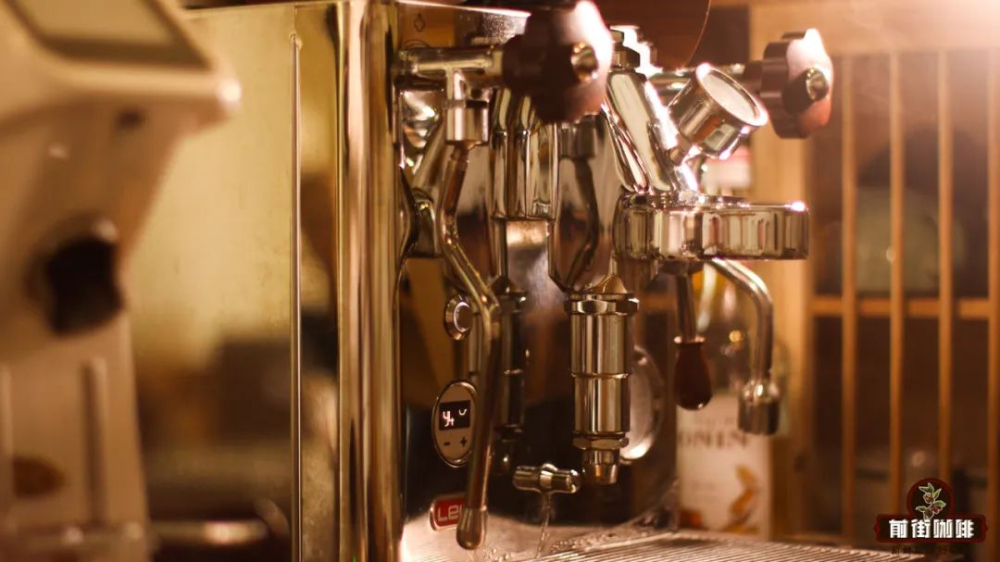
These details may not directly influence flavor as much as coffee bean selection or grind size, but their cumulative negative effects on coffee quality and machine condition over time should not be underestimated. Next, we’ll explore these noteworthy operational points one by one.
I. The Importance of Releasing Water Before Extraction
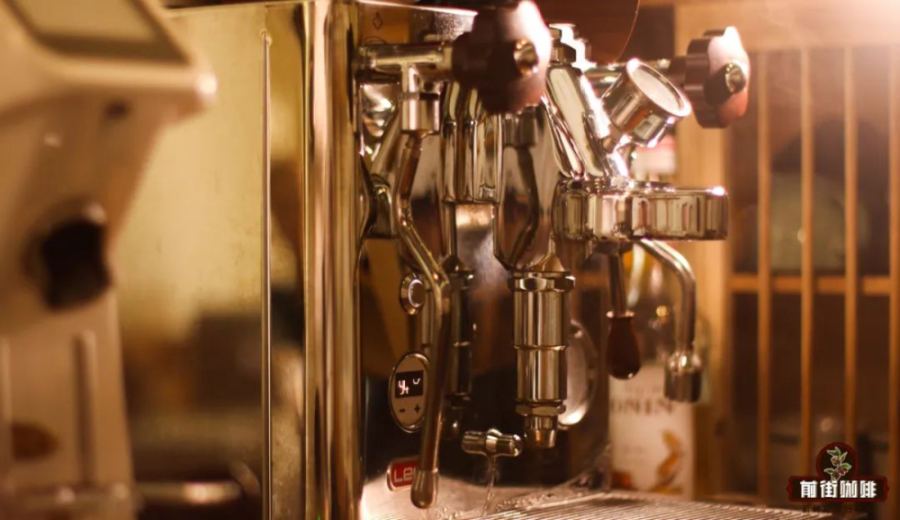
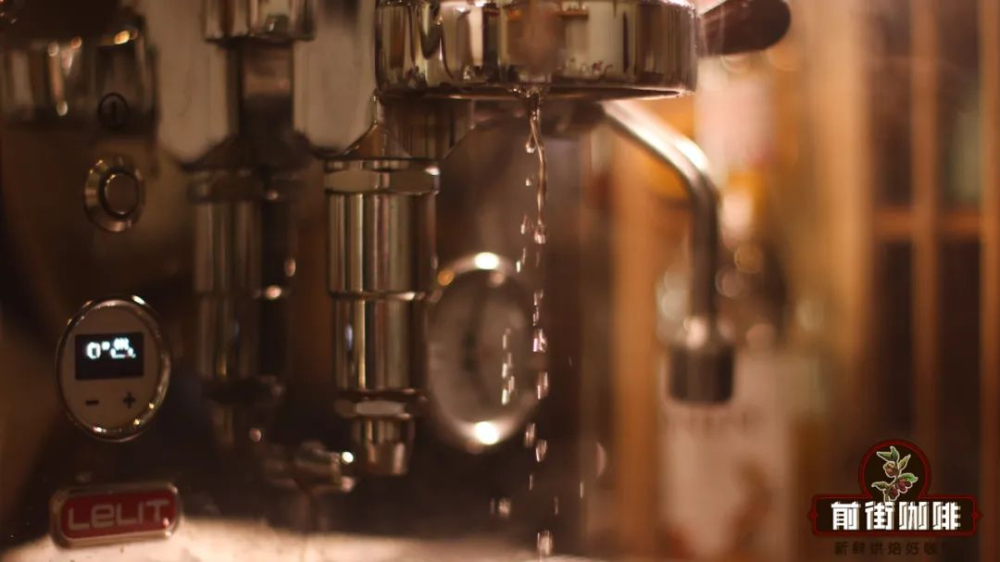
Before attaching the portafilter and starting extraction, many experienced baristas will first open the water valve and let hot water run for a few seconds. The purpose of this is that as hot water flows from the water tank through the long piping to the group head, residual old water from the previous extraction may remain in the pipes. This old water, having been stagnant for a longer time, may not only be slightly cooler in temperature but also less clean. By pre-releasing the water, you ensure that the hot water used for extraction is fresher and has a more stable temperature, thereby improving extraction consistency.
Additionally, this water-releasing process helps lower the temperature of the shower screen, preventing uneven extraction caused by high temperatures, and also rinses away any coffee grounds that may have remained on the shower screen, preparing it for proper extraction.
II. Do Not Leave the Portafilter on the Group Head for Too Long After Extraction
Many people, after completing the espresso extraction, often go straight to the next step of preparing the beverage, such as making a latte or americano, while overlooking the importance of removing the portafilter from the group head. Leaving the portafilter on the group head for an extended period not only makes subsequent cleaning more difficult but may also affect the quality of the next extraction.
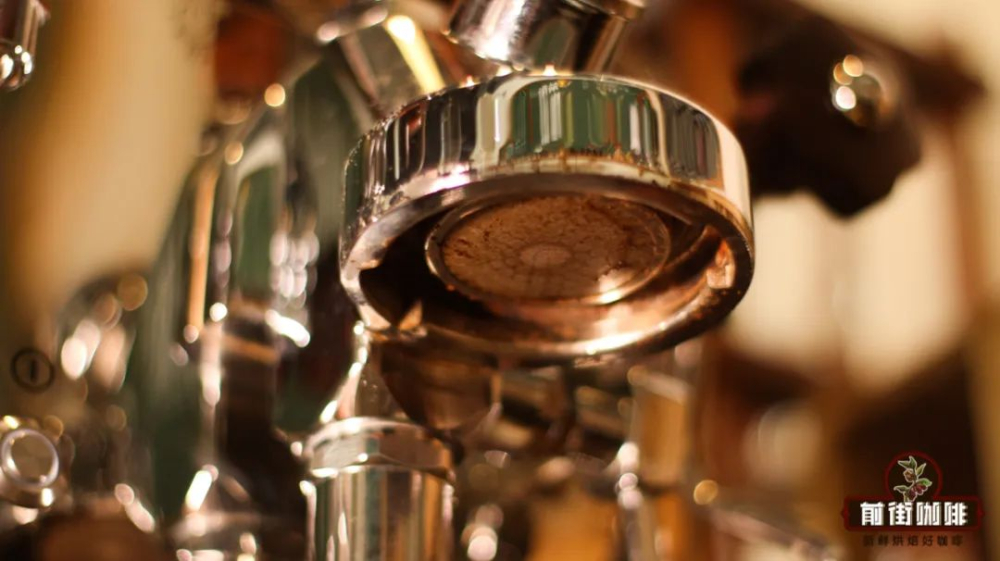
After extraction, the backflush effect of the group head draws back the water that hasn’t fully penetrated the coffee puck and expels it through the pressure relief valve. However, this backflush force not only takes away the water but may also suck some fine coffee particles into the area around the shower screen. Once these coffee particles adhere to the shower screen and continue to be exposed to high heat, the evaporated moisture can easily lead to burnt flavors, and they become even more firmly stuck, making cleanup particularly laborious.
Similarly, the coffee puck in the portafilter, once the moisture evaporates, will quickly increase in adhesion, making it harder to knock out later and potentially damaging the portafilter or basket. Therefore, it’s recommended to remove the portafilter and the coffee puck immediately after extraction to avoid the above issues.
III. Avoid Leaving the Portafilter on the Group Head for Extended Periods
Some baristas or those unfamiliar with the equipment often keep the portafilter attached to the group head for “keeping it warm” to maintain temperature stability during extraction. However, this practice not only makes it easy to misjudge the status of the portafilter (it looks like it’s in use when it’s actually just sitting there), but also brings two main problems.
First, the aromatic compounds in coffee beans are highly volatile in high-temperature environments. If the portafilter remains at a high temperature for a long time—even without extraction—the aromatic components inside will quickly dissipate. A delayed extraction may then result in the final espresso deviating from the expected flavor profile.
Second, keeping the portafilter attached to the group head for a long time can damage the gasket inside the shower screen. This gasket’s primary function is to secure the portafilter and prevent coffee leakage. If the portafilter remains attached to the group head, the heat that should be dissipated cannot escape normally and can only slowly release through the gaps in the basket, causing the heat to circulate continuously and concentrate on baking the gasket, accelerating its aging and deformation. Therefore, unless it’s for preheating the portafilter, it’s not recommended to leave the portafilter attached to the group head for long periods. Preheating can also serve the dual purpose of cleaning the shower screen.
IV. Don’t Overlook Cleaning the Brew Head Crevices
Although we usually clear coffee grounds from the shower screen by releasing water after each extraction, the crevices around the shower screen that hold the portafilter are often dead zones where hot water can’t fully rinse. These crevices can easily accumulate a large amount of fine coffee residue, which, if not cleaned in time, may fall into the coffee liquid during subsequent extractions, affecting taste and purity.
It’s recommended to use a small brush designed for espresso machines to scrub these crevices carefully with some hot water after multiple extractions. The best practice is to scrub while opening the water valve to release water, ensuring the residue is thoroughly removed and maintaining a clean and stable extraction environment.
The above content is compiled by CoffeeHunters, a coffee news website.


