







Introduction:Recently, global coffee futures prices have seen a notable decline, with both London’s Robusta and New York’s Arabica main contracts dropping. However, export figures from Brazil and Vietnam remain strong, indicating continued supply-side support in the market. This article analyzes the key factors behind the recent futures price movements, including the latest export performance from Vietnam and Brazil, drought impacts, and climate uncertainties, helping readers grasp market trends and future directions.
The global coffee futures market has recently cooled significantly, with the September Robusta contract in London falling to $3,985 per ton, while the September Arabica contract in New York is quoted at 21.6 cents per pound. Prior to this, Robusta futures had once surged to a historic high of $4,339 per ton, primarily driven by reduced production in Vietnam’s growing regions due to drought.
However, as market sentiment has turned cautious and prices of other tropical commodities such as cocoa have also declined, investors have begun adjusting their positions, putting overall downward pressure on coffee futures. Nevertheless, trade data from Brazil and Vietnam—two major exporting countries—remain robust, showing no immediate supply disruption and providing some support to the market.
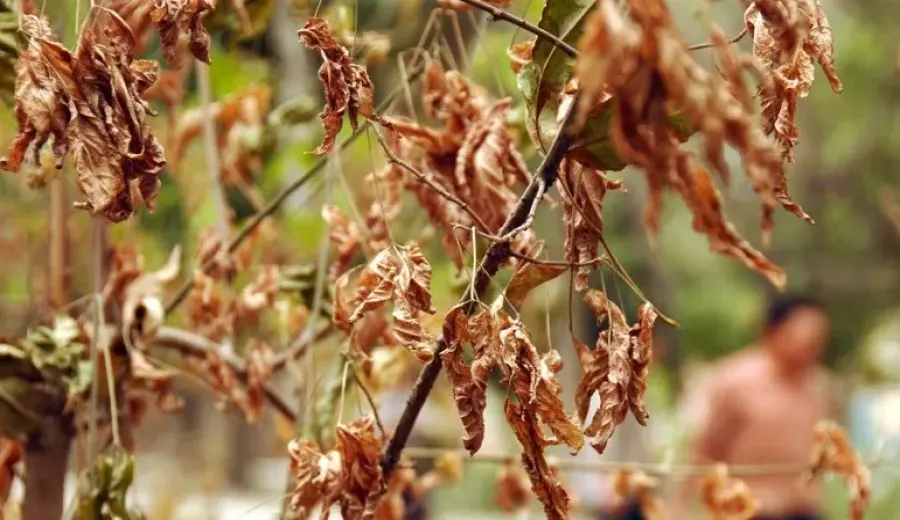
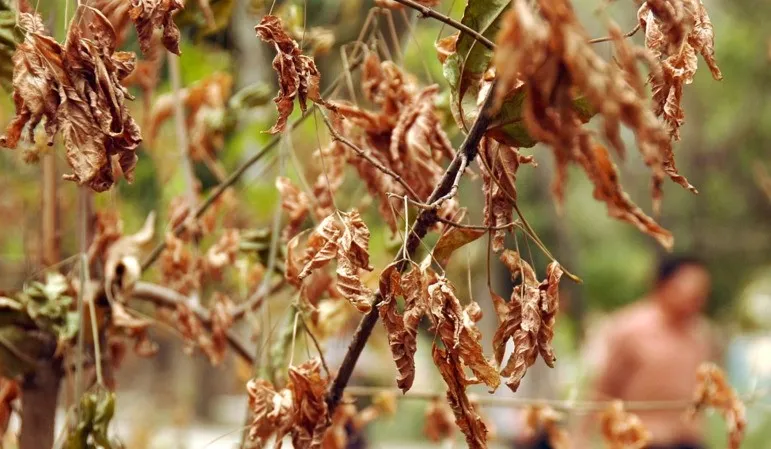
Looking back at the earlier price surge, the sharp rise in Robusta futures not only lifted its own price but also pulled up Arabica futures, resulting in a broad-based price increase. The main driver of this rally was Vietnam’s exceptionally severe water shortage during the dry season, which led to insufficient moisture for coffee trees during their critical flowering period. This caused leaf yellowing, wilting, and directly impacted that year’s yield.
Due to the sharp drop in production, many local farmers chose to withhold sales, waiting for prices to climb further. At the same time, traders, wary of default risks, were willing to pay high prices to secure spot supplies. These two factors combined to push overall market quotations higher.
However, the market trend has recently shifted. As of now, the September Robusta futures price in London has retreated to $3,985 per ton, while the September Arabica futures in New York stand at 21.6 cents per pound. One of the key reasons for the price correction is the continued strong export data from major producing regions, indicating that the supply shortage is not as severe as the market had feared.
According to statistics from the Vietnam Coffee – Cocoa Association, in the first four months of 2024, Vietnam exported a total of 756,000 tons of coffee, generating $2.57 billion in export revenue. Compared to the same period in 2023, the export volume increased by 5.4%, and the export value surged by 57.9%. The average export price per ton rose to $3,402, an increase of $497 year-on-year. In April alone, although the export volume was 170,000 tons—up 3.9% from the same period last year—it decreased by 10% compared to March. However, thanks to higher prices, the export value for the month still reached $644 million, a sharp increase of 61.5% year-on-year, with an average price of $3,791 per ton.
Meanwhile, data from Brazil’s Coffee Exporters Council (Cecafe) shows that in April 2024, Brazil exported a total of 4.6 million bags of coffee, of which 3.5 million bags were Arabica, representing a 27% increase compared to the same period in 2023. This export momentum indicates that even though futures market prices have corrected, actual supply remains stable.
Notably, in addition to coffee, the prices of other tropical commodities such as cocoa have also dropped significantly, recently falling to around $8,000 per ton—a decline of nearly 14%. Amid an increasingly conservative sentiment in the broader soft commodities market, many large investment institutions have adopted a wait-and-see approach toward the outlook for commodities like coffee, further intensifying the downward pressure on futures prices.
Despite the price correction, global weather uncertainties remain. Vietnam’s drought issue has not yet been resolved, and Brazil’s main coffee-growing regions continue to face water shortages, with most areas receiving almost no rainfall in the past week. Typically, cold air from southern Brazil moves with the seasons and forms rainfall when it encounters tropical high-pressure systems. However, this year, extreme heat has affected the movement of cold air, even triggering localized heavy rains in Rio Grande do Sul, while the central key producing regions remain in a prolonged state of drought.
As weather factors may still impact future yields, market concerns about supply stability have not entirely dissipated. Investors generally remain cautious, closely watching subsequent climate changes and actual harvest outcomes in producing regions. For coffee enthusiasts, in such a market environment, it’s a good opportunity to delve into the flavor profiles and processing method differences of various producing regions, and explore your own coffee flavor preferences.
The above content is compiled by CoffeeHunters, a coffee news website.


