








Introduction:Have you ever wondered why Jamaican Blue Mountain is almost exclusively Typica, Brazil mainly produces Bourbon, and Panama is famous for Geisha? In fact, these fixed "origin–variety" pairings are not coincidences but the result of a complex interplay of history, environment, disease, and market forces. This article will take you through how Typica, Bourbon, and Geisha spread across the world, why they have remained dominant in certain regions, and also share practical bean selection knowledge to help you better understand the coffee in your cup.
When we choose coffee beans, the common information on the packaging—origin, variety, altitude, and processing method—actually reveals many key details. Experienced coffee enthusiasts often notice that Ethiopia commonly features heirloom varieties, Brazil is dominated by Bourbon, Jamaican Blue Mountain is almost entirely Typica, and Panama is the kingdom of Geisha. This strong correlation between "origin and variety" is not accidental but the outcome of historical evolution, environmental adaptation, disease impact, and market trends working together.
Arabica coffee accounts for about 70% of global coffee production, and most of today’s varieties can be traced back to two ancient lineages—Typica and Bourbon. Both of these varieties originated in Ethiopia, Africa, and later spread to various parts of the world through colonization, trade, and plant introduction, evolving into diverse forms based on local environments and needs.
Let’s start with Typica. Historical records indicate that this variety was introduced to the Americas around 1728, including Jamaica. At the time, Jamaica experimented with planting various crops, and eventually Typica seeds were sown in the Saint Andrew region of the Blue Mountains. Unexpectedly, this gave rise to the world-renowned Blue Mountain coffee, which has been continuously cultivated to this day.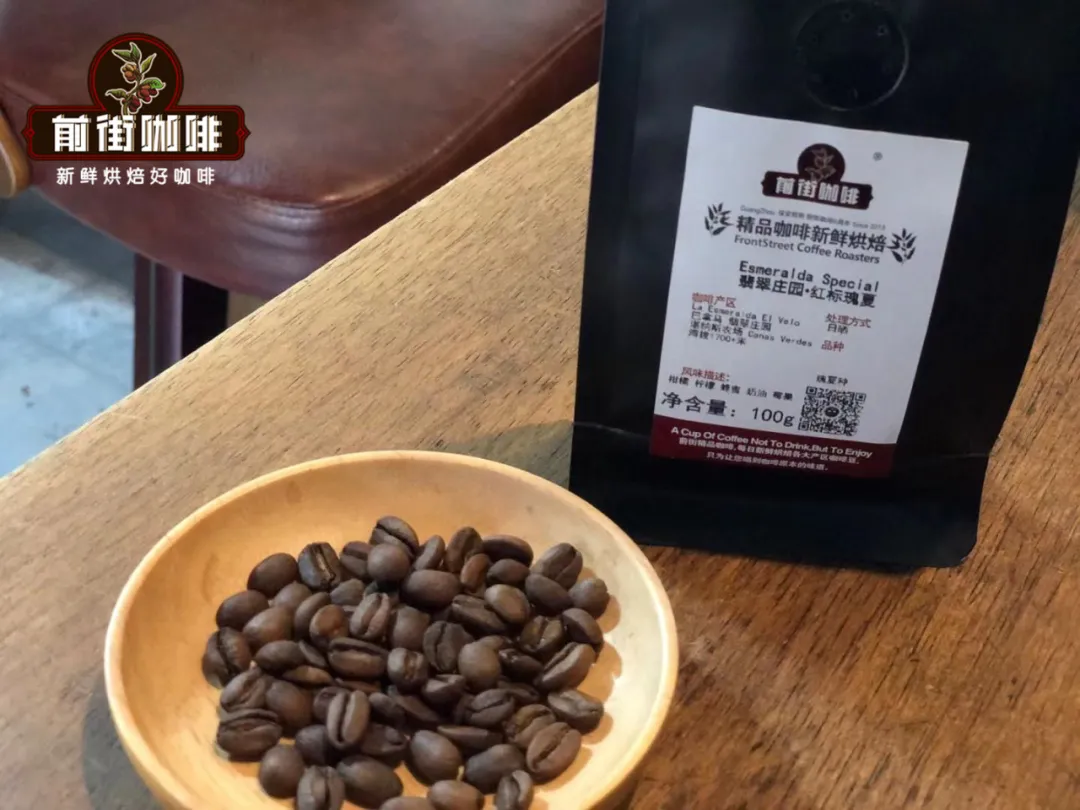
According to the Coffee Industry Regulatory Act issued by the Jamaica Agricultural Commodities Regulatory Authority (JACRA), the legal growing area for Blue Mountain coffee is restricted to four administrative regions: Saint Andrew, Saint Thomas, Portland, and Saint Mary. The altitude must be between 915 meters and 1700 meters, and the variety must be Typica to be officially called "Jamaica Blue Mountain coffee." Therefore, if you see coffee beans labeled "Jamaica Blue Mountain," the variety can almost certainly be identified as Typica.
Now let’s look at Bourbon. In 1727, a Brazilian diplomat successfully introduced Typica seedlings into the country and planted them in the northern state of Pará, marking the beginning of Brazil’s coffee industry. However, by the 19th century, coffee leaf rust had broken out globally, dealing a devastating blow to the then-dominant Typica. To combat the disease, Brazil began searching for more resistant varieties, leading to the introduction of Bourbon. Originating from the French island of Réunion (formerly Île Bourbon, once an important breeding ground for Typica), this variety exhibited better disease resistance and adaptability. It quickly became established across Brazil’s coffee-growing regions and remains one of the main varieties cultivated in Brazil to this day.
As for Geisha, its story is even more legendary. Geisha was originally a wild variety from Ethiopia. It was first introduced to Tanzania in 1936, entered Costa Rica in 1953, and wasn’t brought to Panama until 1970 via Costa Rica. In the early days, coffee farming prioritized yield, and because Geisha plants were relatively slender and produced low yields, they never gained favor among farmers, resulting in very limited cultivation.
The turning point came during the specialty coffee wave of the 2000s. As consumers began to place greater emphasis on coffee flavor and quality, Geisha finally found its stage. In 2005, Hacienda La Esmeralda in Panama entered a Geisha in the Best of Panama (BOP) competition. With its delicate floral and jasmine aromas, along with bright fruit notes like peach and bergamot, it scored extremely high and became an overnight sensation. Even more astonishingly, this particular lot broke the then-record coffee auction price, selling for over $20 per pound, shocking the entire coffee industry.
Since then, Geisha has risen to fame, not only shining brightly in Panama but also attracting countries across Latin America such as Colombia, Costa Rica, and Guatemala to cultivate it. Today, Geisha has evolved from a niche variety to a star variety beloved by specialty coffee enthusiasts worldwide. Especially in high-altitude regions with favorable microclimates, it can showcase its unique aroma and layered complexity.
In summary, the long-term cultivation of specific coffee varieties in a given origin often involves a complex interplay of adaptability, historical circumstance, and market choice. Understanding the background of these varieties not only helps us better appreciate the flavor differences in coffee but also enables smarter purchasing decisions, allowing us to find the beans that best suit our personal taste.
The above content is compiled by CoffeeHunters, a coffee news website.


