







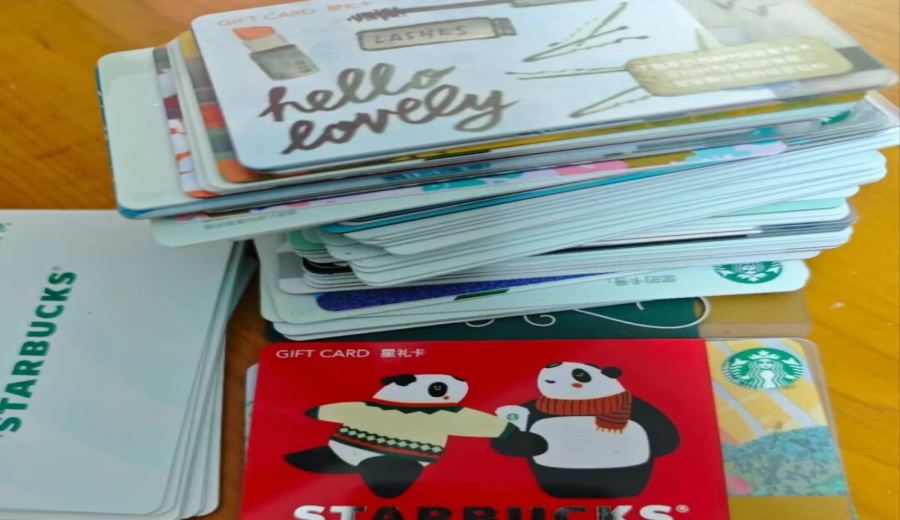
Introduction:Starbucks’ gift cards have long drawn consumer dissatisfaction due to restrictions on top-up amounts, high card cancellation fees, and the inability to fully zero out remaining balances. In 2023, four university students discovered that when their gift card balance dropped to just 19 yuan, they could neither make purchases nor request a refund, prompting them to investigate further. They found that other tea drink brands did not impose such limitations, leading them to sue Starbucks in court. Ultimately, this drove Starbucks to lower cancellation fees, remove minimum charges, and allow customizable top-up amounts. Here’s a detailed look at the reforms.
As a prepaid card product launched by Starbucks, the gift card has long been plagued with issues that frustrate consumers, including limits on top-up amounts, high cancellation fees, and the impossibility of clearing remaining balances. One student, while using the card, found that when the balance reached just 19 yuan, they could neither buy any Starbucks products nor apply for a refund to clear the balance—leaving the funds essentially as "dead money."
Upon further investigation, the student discovered that other tea beverage brands’ prepaid cards do not have similar restrictions. Users of those cards can usually get refunds for the exact remaining amount without paying high fees. As a result, the current terms of Starbucks’ gift cards were deemed unreasonable and potentially infringing on consumer rights.
To address this, the student teamed up with classmates and filed a lawsuit against Starbucks (Shanghai) Commercial Co., Ltd. on June 19, 2023. The case was accepted by the Songjiang District People’s Court in Shanghai. They demanded that Starbucks fulfill its obligation to provide reasonable notice, highlight the dispute resolution clauses in the gift card terms in bold and black, cancel cancellation fees, and remove the restriction that top-up amounts must be multiples of 100 yuan.
In response to the lawsuit, Starbucks acted swiftly. On July 15 of the same year, it updated the gift card terms, highlighting the dispute resolution clauses in bold and black, and attaching the terms and platform notices together with the purchase consent items. Users activating a gift card would also see relevant reminders to quickly grasp the key information in the terms.
However, regarding the two core requests—cancellation fees and limits on top-up amounts—Starbucks did not immediately make improvements but promised to adjust the relevant clauses within a mutually agreed timeframe. Eventually, both parties reached a settlement through court mediation, and the students chose to drop the lawsuit.
It wasn’t until November 6, 2023, that the revised gift card terms officially took effect. Among the changes:The cancellation fee was reduced from the original 2% to 1.5%, and the minimum 20-yuan fee threshold was eliminated,significantly lowering the cost for consumers seeking refunds. Additionally,top-up amounts are no longer restricted to multiples of 100 yuan. Users can now customize the amount down to one decimal place,offering greater flexibility and convenience.
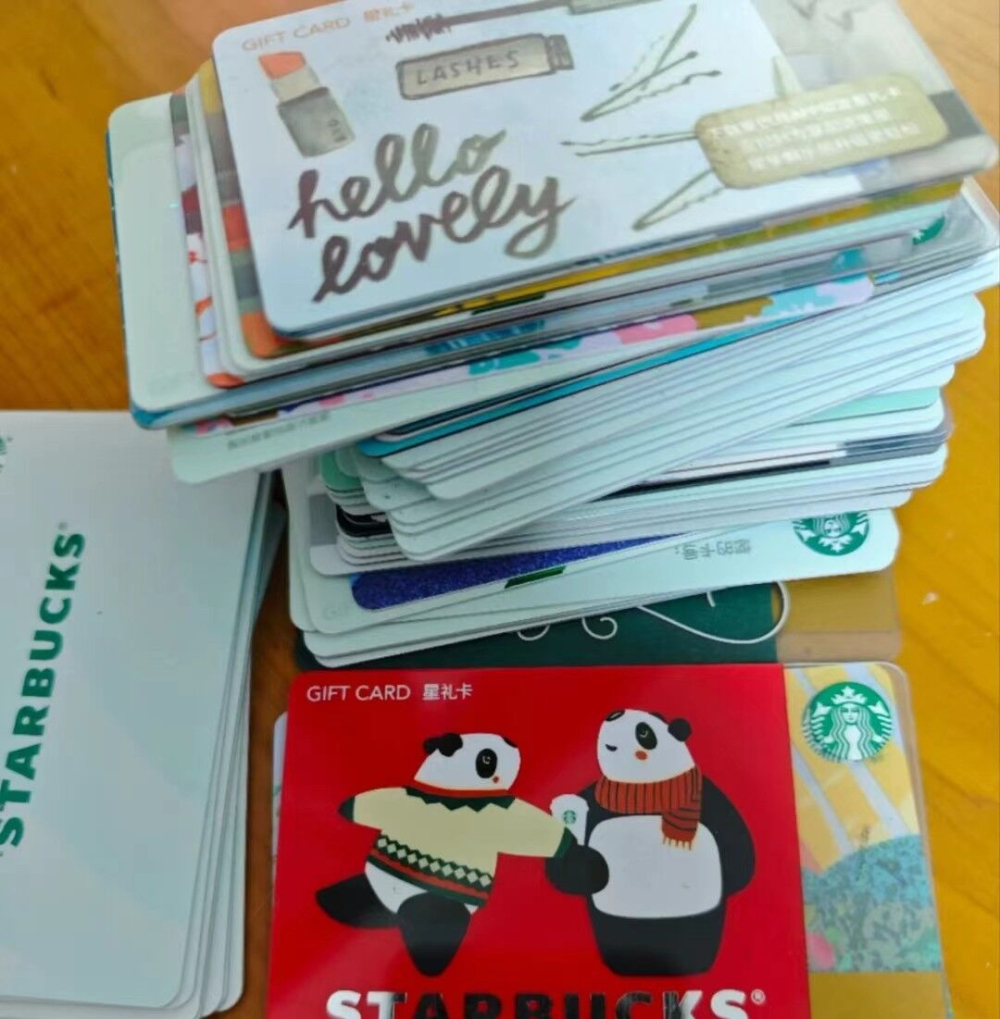
Another controversial issue—the “mandatory deferred management fee for Starbucks gift cards”—was also improved in this revision. According to the new rules,Starbucks gift cards will automatically be extended for three years upon expiration, and no deferred management fees will be charged,so that cardholders no longer need to worry about incurring extra fees after their cards expire.
In fact, the various unreasonable designs of Starbucks’ domestic gift cards have been exposed by the media for many years, and it has repeatedly been pointed out that sufficient notice obligations were not fulfilled prior to sales. Some important clauses and information were hidden in less noticeable places, making it difficult for consumers to discover these “hidden conditions” unless they actively looked for them.
In the past, there had been consumer complaints about Starbucks gift card issues, but due to the high costs of litigation or arbitration, most people eventually gave up. This lawsuit initiated by university students successfully drew Starbucks’ attention and led to substantive clause adjustments, demonstrating that the impact of consumer advocacy is gradually increasing. It may also signal that Starbucks is beginning to pay more attention to the feelings of consumers in the domestic market.
The above content is compiled by CoffeeHunters, a coffee news website.


