







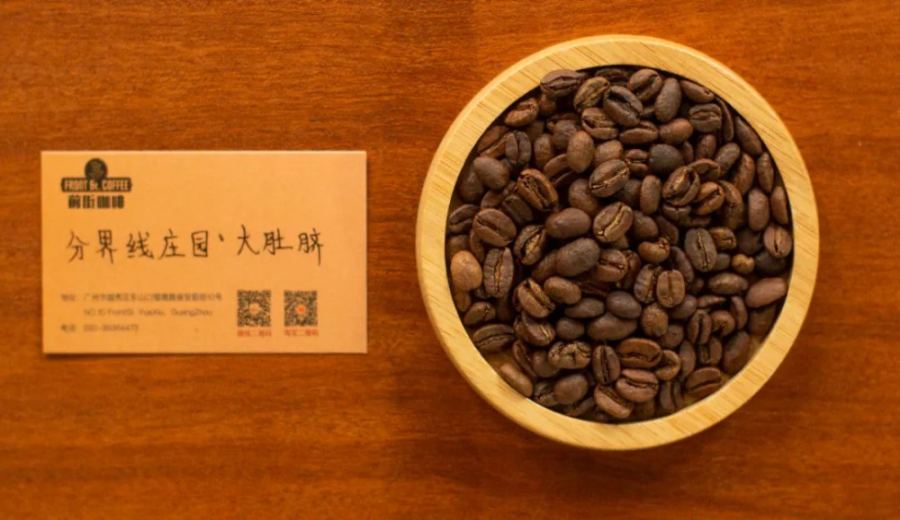
Introduction:The Ombligon coffee from Finca El Diviso in Colombia has garnered international attention in recent years with its distinctive shape and explosive fruity aroma, frequently appearing on the stages of global coffee competitions. This article delves into this rare variety from the Huila region, exploring its connection to Ethiopian heirloom varieties, the details of its thermal shock fermentation process, and offering practical pour over parameters and flavor profiles to help you better understand this competition favorite.
On the international stages of the 2023 World Barista Championship (WBC) and World Brewers Cup (WBrC), a rare coffee variety from Colombia’s Huila region—Ombligon—captured significant industry interest due to its rich fruitiness and unique processing method, becoming the bean of choice for many competitors. This coffee from Finca El Diviso not only boasts an unusual appearance but also showcases a complex profile of tropical fruits and fermented wine notes, enhanced by its innovative processing.
The name “Ombligon” comes from the coffee cherry’s resemblance to a papaya, with a distinct small ring bulging outward at the bottom, much like a human navel. In the local Spanish, this unique appearance is called “Ombligon,” which translates to “big navel” or “big belly” in Chinese. This variety thrives only at high altitudes between 1600 and 1800 meters in Colombia, particularly fitting the volcanic soils and diverse ecosystems of Huila Province.
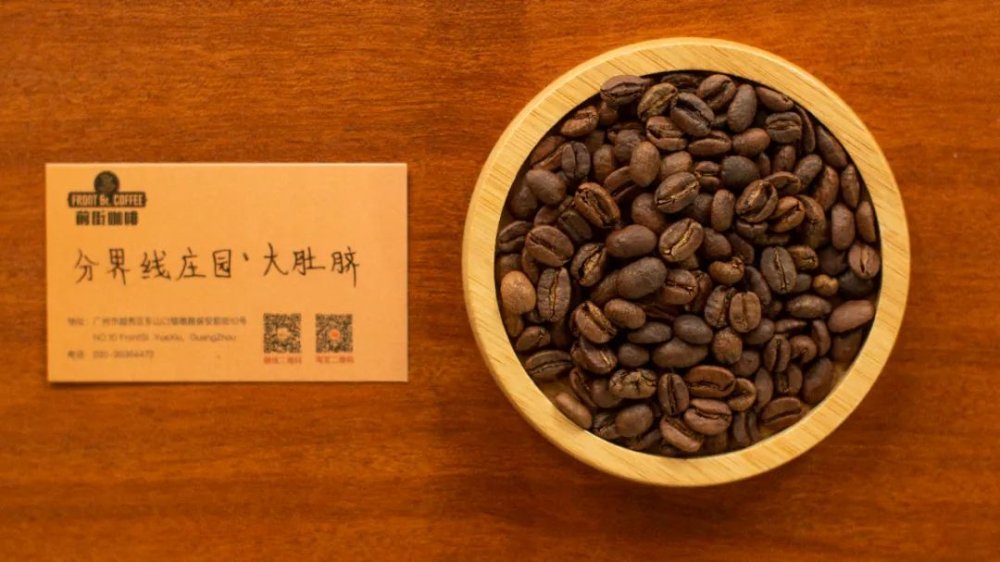
According to genetic analysis by the World Coffee Research institute, Ombligon is genetically related to Ethiopian heirloom varieties, believed to be a natural mutation that occurred in Colombia. Interestingly, it shares growth traits with the commonly grown Caturra variety in the region, such as broad leaves, high yield, and leaf rust resistance, making it well-suited for medium to high altitude cultivation.
The estate that cultivates this special variety—Finca El Diviso—is located in the town of Pitalito, Huila Province. It was founded in 1996 by Jose Uribe Lasso, who moved from Nariño to Huila in search of a quieter life away from the city, and officially took over the land in the early 2000s. The farm is now jointly managed by three brothers: Jhoan oversees planting and cultivation, Nestor manages overall operations, and Adrian leads marketing and sales.
Finca El Diviso is renowned for growing rare and mutated coffee varieties. In addition to Ombligon and Geisha, the farm cultivates a diverse range of varieties including Pink Bourbon, Papayo, Tabi, Chiroso, and Bourbon Aji. The farm owners have long been committed to developing innovative processing methods, using various fermentation and drying techniques to enhance the complexity and depth of the coffee’s flavors.
For processing the Ombligon, Finca El Diviso has designed a method known as “thermal shock fermentation,” aimed at enhancing the coffee’s natural juiciness and complex aromas. First, ripe Ombligon coffee cherries are subjected to floatation in water heated to 50–60°C for about 25 minutes. This step removes unripe cherries and impurities while using differences in water density to select higher-quality fruits. After floatation, the cherries undergo a second manual selection to ensure only those meeting the standards proceed to fermentation.
Next, the selected cherries are placed in a sealed fermentation tank for 24 hours of static fermentation, which helps enhance sweetness and overall mouthfeel while collecting the initial naturally released fermentation liquid. Then, based on the weight of the batch, a sugar solution is prepared and activated with brewing yeast. The activated yeast mixture is evenly stirred back into the fermentation tank, where it undergoes 72 hours of anaerobic fermentation together with the coffee cherries. During fermentation, the liquid is circulated every four hours, and the pH is closely monitored to ensure it remains above 3.8, preventing over-acidification.
After fermentation, the cherries are transferred to the farm’s specially designed dehydration equipment for 12 hours of preliminary drying without external heat sources. Instead, the drying relies on the cherries’ own heat and circulating airflow, helping preserve the integrity of the fermented flavors. The beans are then moved to raised drying beds for approximately 15 days of natural sun drying until they reach the optimal moisture content.
For pour over brewing of this specialty coffee, it is recommended to use a V60 dripper with a water temperature of 91–93°C, a coffee dose of around 15 grams, a brew ratio of 1:15, and a grind size similar to that of fine sugar (with about 80% extraction through a #20 sieve being ideal). The brewing process suggests a three-stage pouring method: the first pour of 30 grams of water for a 30-second bloom; the second pour of 95 grams (total ~125g) over about 1 minute; and the final pour of 100 grams (total ~225g) completed within approximately 1 minute and 35 seconds. The total brew time should be controlled around 2 minutes to fully highlight its fruity character and delicate aftertaste.
Once brewed, Ombligon exhibits pronounced fruit acidity reminiscent of blackcurrant and Kyoho grapes at higher temperatures, paired with the bright sweetness of orange. The cup entry is rich and juicy, akin to mature pineapple juice, followed by a soft finish of berries and black tea. As it cools to medium and lower temperatures, the flavors shift to bright citrus notes with subtle hints of fermented wine, maintaining a clear and persistent layered profile—making it an excellent choice for coffee enthusiasts who appreciate intense fruitiness and complex flavor profiles.
The above content is compiled by CoffeeHunters, a coffee news website.


