







Introduction:The Boquete region in Panama, blessed with high altitudes and volcanic soil, gives rise to the world-renowned Geisha coffee. Its distinctive floral and fruity aromas, along with its refreshing taste, have captivated coffee lovers around the globe. This article delves into the geography of Boquete, explores the characteristics of its three major sub-regions, and traces the development history of the Geisha variety. It also provides a detailed look at the processing method of a well-known shop’s washed Geisha, along with recommended pour over parameters, helping you fully appreciate the allure of this top-tier coffee.
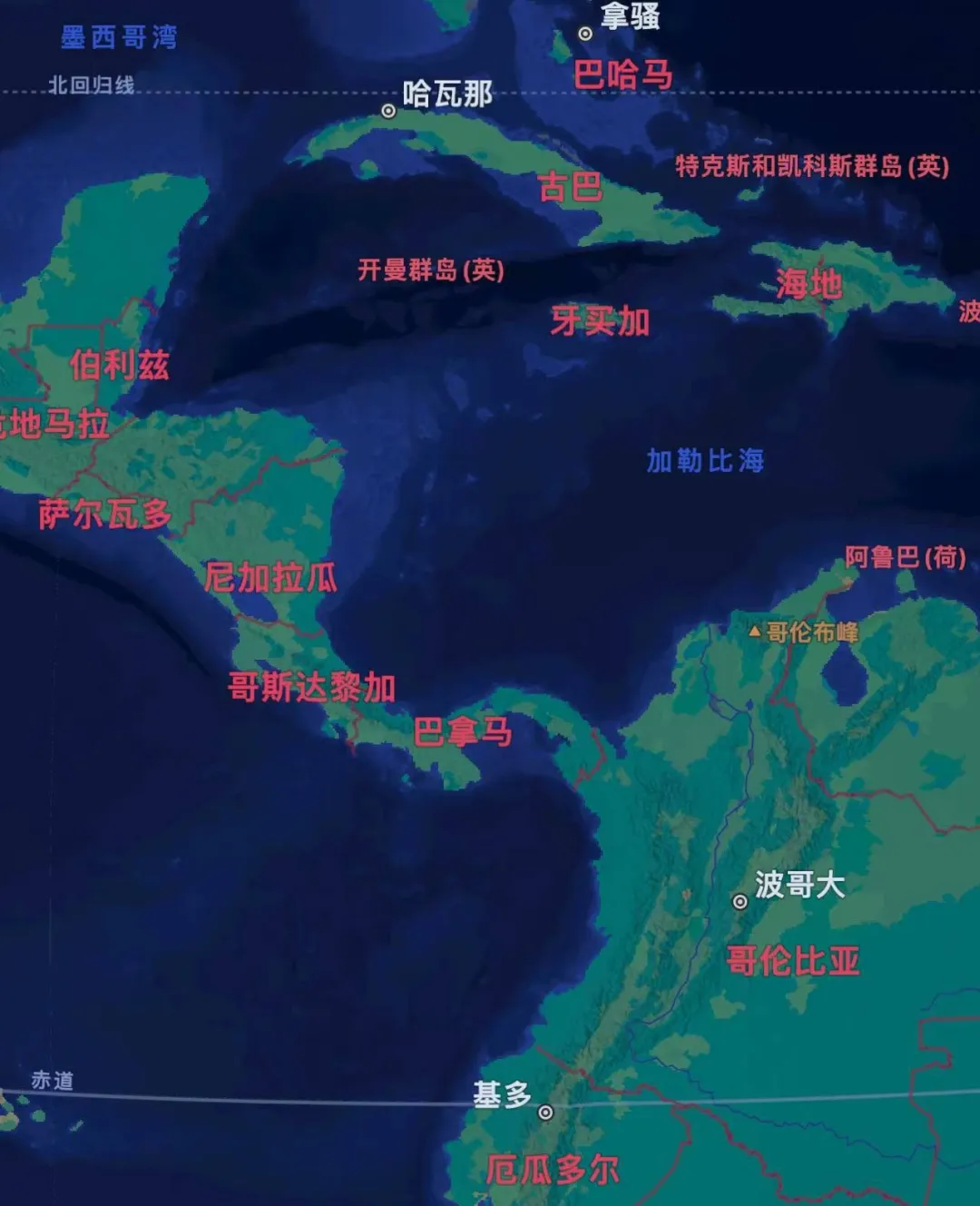
Located at the southern tip of Central America, Panama is not only famous for the canal that connects the Pacific and Atlantic Oceans, but also for its unique geography, which makes it an ideal haven for high-quality coffee production. Covering an area of approximately 75,517 square kilometers, the country consists of 10 provinces and 5 indigenous territories. Its terrain is diverse, featuring both coastal plains and high mountain ranges. The national flag is cleverly designed, with its cross dividing the four sections to symbolize the country’s position at the crossroads of North America, South America, the Atlantic, and the Pacific. The blue and red stars represent loyalty and integrity, and legal authority, respectively.
In terms of climate, Panama has a tropical maritime climate influenced by the equator, resulting in significant day-night temperature variations. The average annual temperature ranges between 23 and 27°C. With distinct wet and dry seasons and abundant rainfall (annual precipitation of about 1500–2500 mm), coupled with fertile volcanic soil and excellent drainage from the many volcanoes in the region, the natural conditions are perfectly suited for coffee cultivation. These exceptional factors form the foundation for top-producing regions like Boquete to grow premium Geisha coffee.
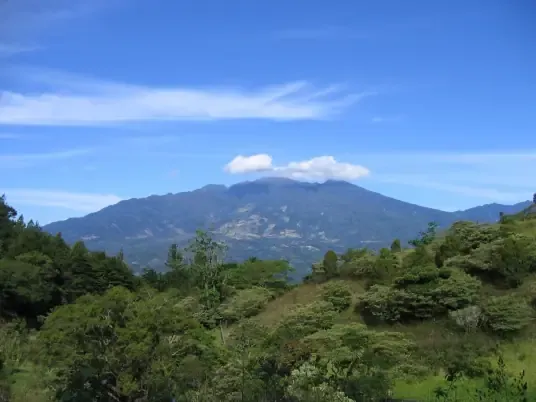
Panama’s main coffee-growing regions are concentrated in the west, surrounded by the Barú Volcano, El Valle Volcano, and La Yeguada, creating a planting environment with diverse microclimates. Among them, Boquete is the most renowned region, home to many well-known estates such as the Finca Esperanza Verde, Finca Duncan, and Finca Hartmann. The altitude here ranges from 1200 to 2000 meters, with large day-night temperature differences that help coffee cherries ripen slowly and accumulate rich flavors. In addition to fertile volcanic soil, the area enjoys moderate rainfall and ample sunlight, along with its unique microclimate, all of which contribute to the delicate and complex flavor profile of Boquete coffee.
Another emerging region is Volcán-Candela, which, although less famous than Boquete, has been making impressive strides in Panama’s Best of Panama (BOP) competition in recent years. This area is located on the western side of the Barú Volcano, with altitudes ranging from approximately 1200 to 1600 meters. While its rainfall is slightly lower than that of Boquete, it shares the advantages of high altitude and fertile volcanic soil, producing quality representatives such as the 90+ Geisha Estate, Aurora Estate, and Hartmann Estate.
As for Renacimiento, it is a region located on the border between Panama and Costa Rica, with planting altitudes of around 1100 to 1500 meters. However, due to its remote location and relatively inadequate transportation and infrastructure, processing and transportation are more challenging, resulting in lower international visibility. Compared to Boquete and Volcán-Candela, it is also less discussed.
When talking about Panamanian coffee, one cannot overlook the Geisha variety. The history of Geisha dates back to the 1930s in Ethiopia, later traveling through Tanzania and Costa Rica, before finally being introduced to Panama in the 1970s. Initially, due to its slender plants and low yield, it was not valued in cultivation environments focused on efficiency. However, with the rise of the specialty coffee movement and a growing emphasis on flavor profiles, the potential of Geisha began to be realized. In 2005, Finca Esperanza Verde entered Geisha into the BOP competition. With its delicate floral notes, pronounced jasmine and peach tones, and a refreshing bergamot finish, it scored exceptionally high, propelling the variety to fame and making it a star in the specialty coffee world.
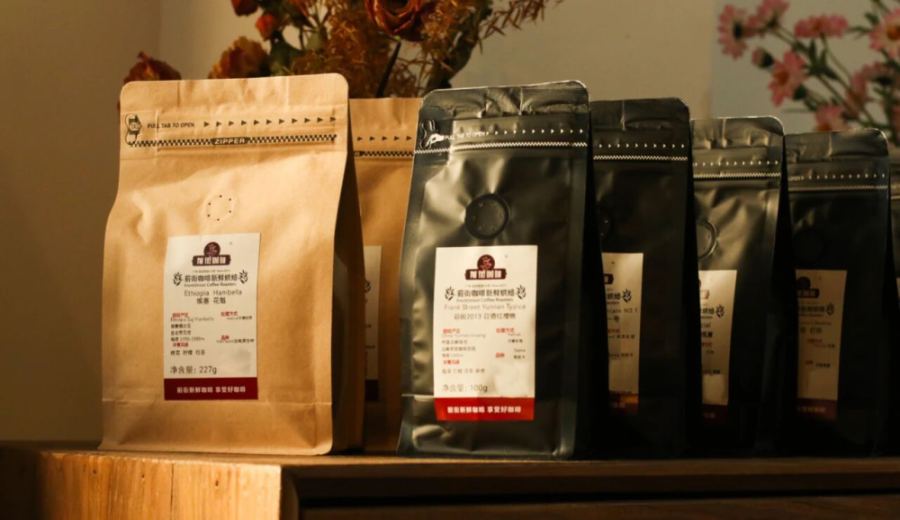
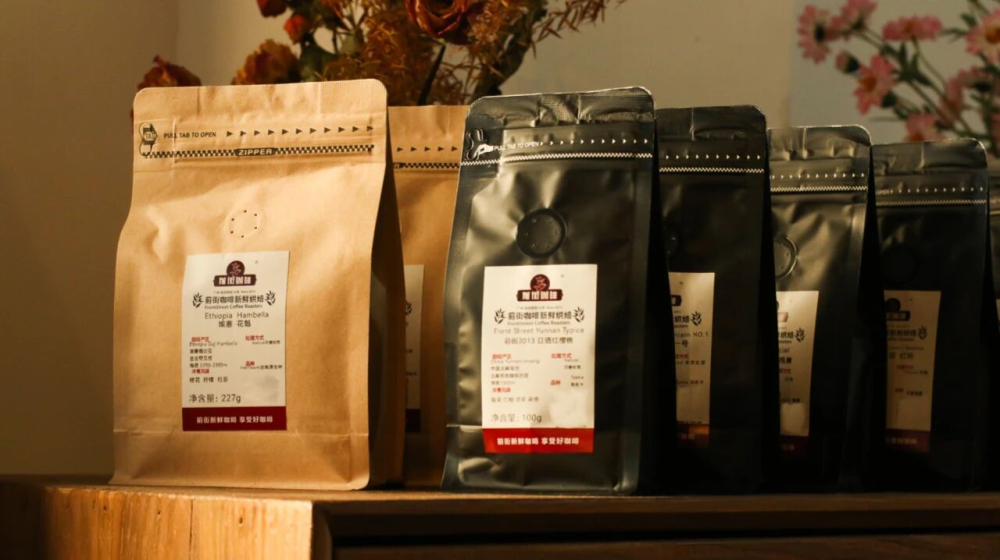
If you’re curious about the actual flavor profile of Geisha, consider trying a washed Geisha bean from a well-known shop in Boquete. This coffee is grown in Panama’s Boquete region at an altitude of up to 1600 meters, using the pure Geisha variety and Japanese-style washed processing to delicately highlight its unique flavor profile. The official flavor description includes: jasmine, lemon, bergamot, honey, and green tea, delivering an overall refreshing and layered cup.

The shop uses a medium roast and recommends brewing with a V60 filter, using a 1:15 coffee-to-water ratio and a water temperature of 92°C. These brewing parameters effectively bring out the floral and fruity characteristics of Geisha while maintaining a refreshing mouthfeel. During actual brewing, you’ll first notice a prominent jasmine aroma, followed by a bright citrusy acidity akin to lemon upon tasting. This is then complemented by the freshness of bergamot and the sweetness of honey, with a green-tea-like smoothness and lingering finish. It’s an excellent choice for coffee enthusiasts who enjoy a clean and bright flavor profile.
For those new to pour over brewing, it’s recommended to use a medium-fine grind (similar to granulated sugar), ensure a stable water flow, and employ a pulse pouring technique to improve extraction uniformity. Additionally, water quality greatly affects flavor, so filtered or soft water is advised to avoid excessive hardness, which can lead to bitterness. Mastering these basic points will allow you to fully experience the nuanced flavors of Boquete Geisha.
The above content is compiled by CoffeeHunters, a coffee news website.


