








Introduction:Many coffee enthusiasts have noticed that although dark roasted beans have a looser structure, they often require a longer resting period than light roasted ones. This phenomenon involves a delicate balance between the rate of carbon dioxide release and the formation of coffee oils. This article delves into why medium to dark roasted espresso beans need a longer resting time, how an appropriate waiting period can lead to more stable crema and a richer flavor, and offers practical storage tips to help you avoid common extraction pitfalls.
Many beginner coffee drinkers have been puzzled: dark roasted beans have a relatively loose structure, so logically they should rest faster than light roasted beans, yet in practice they often require a longer wait. This is especially noticeable when making espresso, and the key lies in the carbon dioxide release cycle and the oil formation process.
When we discuss medium to dark roasted espresso beans,a resting period of around ten daysis often necessary. This time is not just about letting the beans “mature,” but is a crucial phase for stabilizing internal chemical reactions. Ignoring this process can directly affect extraction stability and the final flavor expression.

The primary reason dark roasted beans require a longer resting period is that their carbon dioxide content is significantly higher than that of light roasted beans. Although the dark roasting process makes the bean structure more porous, it also causes more carbon dioxide to remain trapped inside the bean core after roasting. The release of these gases is slower, and in high-pressure extraction environments, it can easily lead to unstable fluid dynamics.
Excess carbon dioxide can interfere with the efficiency of water contact with coffee grounds during extraction, preventing aroma molecules from being fully released. A more direct impact is reflected in the texture of the crema—using dark roasted beans too early often results in a rough-surfaced, quickly dissipating golden foam. This kind of crema not only looks unappealing but also struggles to maintain a stable flavor structure.
Another often overlooked factor isthe gradual formation of surface oils. Coffee beans roasted to medium-dark or darker levels gradually migrate water-soluble fats to the surface of the bean during storage. This phenomenon usually becomes noticeable three to five days after roasting and reaches a preliminary balance after about a week.
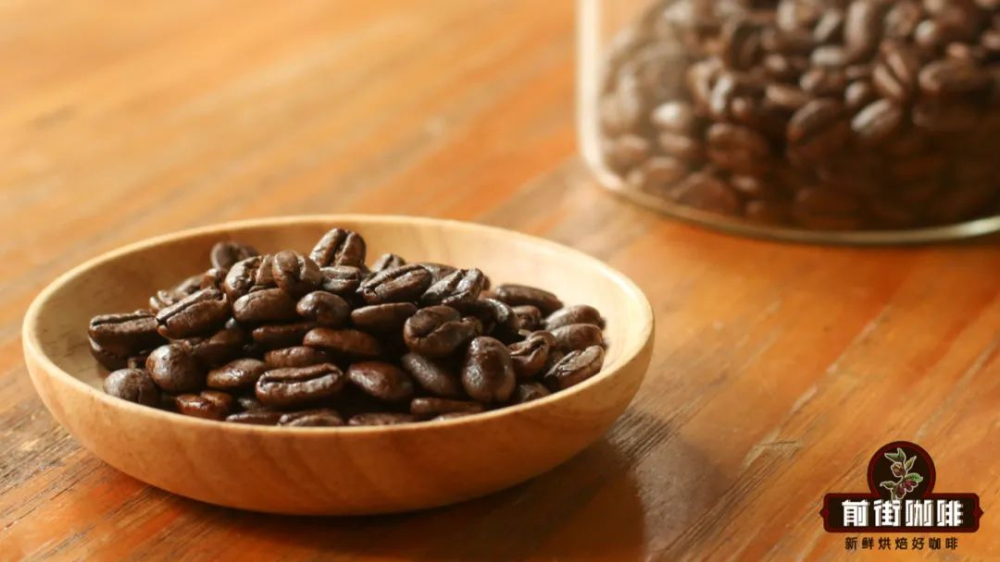
These metallic-looking oils that appear on the bean surface have a dual significance for espresso extraction: on one hand, they help form a denser and more persistent crema layer, and on the other, they impart a rounder, richer mouthfeel to the coffee liquid. However, it’s important to note that the oxidation rate of the oils also increases, and excessive accumulation may lead to the premature onset of rancid flavors.
In practical terms, it is recommended to start counting from the roast date,with medium to dark roasted espresso beans requiring at least ten days of rest, while very dark roasts (such as French roast) may need flexible adjustment based on specific degassing conditions. Observing the distribution of surface oils and the stability of the aroma are key indicators of whether the beans have reached an optimal drinking state.
In terms of storage, once the coffee beans enter their peak flavor period, priority should be given to sealing them away from light. It is recommended to use professional coffee bags with one-way degassing valves or sealed containers with oxygen absorbers, which can effectively slow down the oxidation of the oils. If you notice the crema starting to turn grayish or the aroma turning cardboard-like, it indicates that oxidation has begun to affect the quality.

In summary, the resting needs of dark roasted beans reflect a fine balance between extraction science and time. Understanding the interaction between the carbon dioxide release curve and oil formation not only helps you grasp the optimal extraction timing but also ensures that every cup of espresso delivers the intended layers and stability.
The above content is compiled by CoffeeHunters, a coffee news website.


