








Introduction:Delve into the essence of Kenyan coffee flavors, from the geographical conditions of its core producing regions to the washed processing methods. This article provides a detailed explanation of the origin background and key regional characteristics of Kenya’s Assaria coffee beans, with a focus on a version processed using the K72 washed method and medium-light roasted profile. It also includes tested pour over parameters and a flavor profile, helping you master the brewing essentials and tasting highlights of this high-altitude coffee.
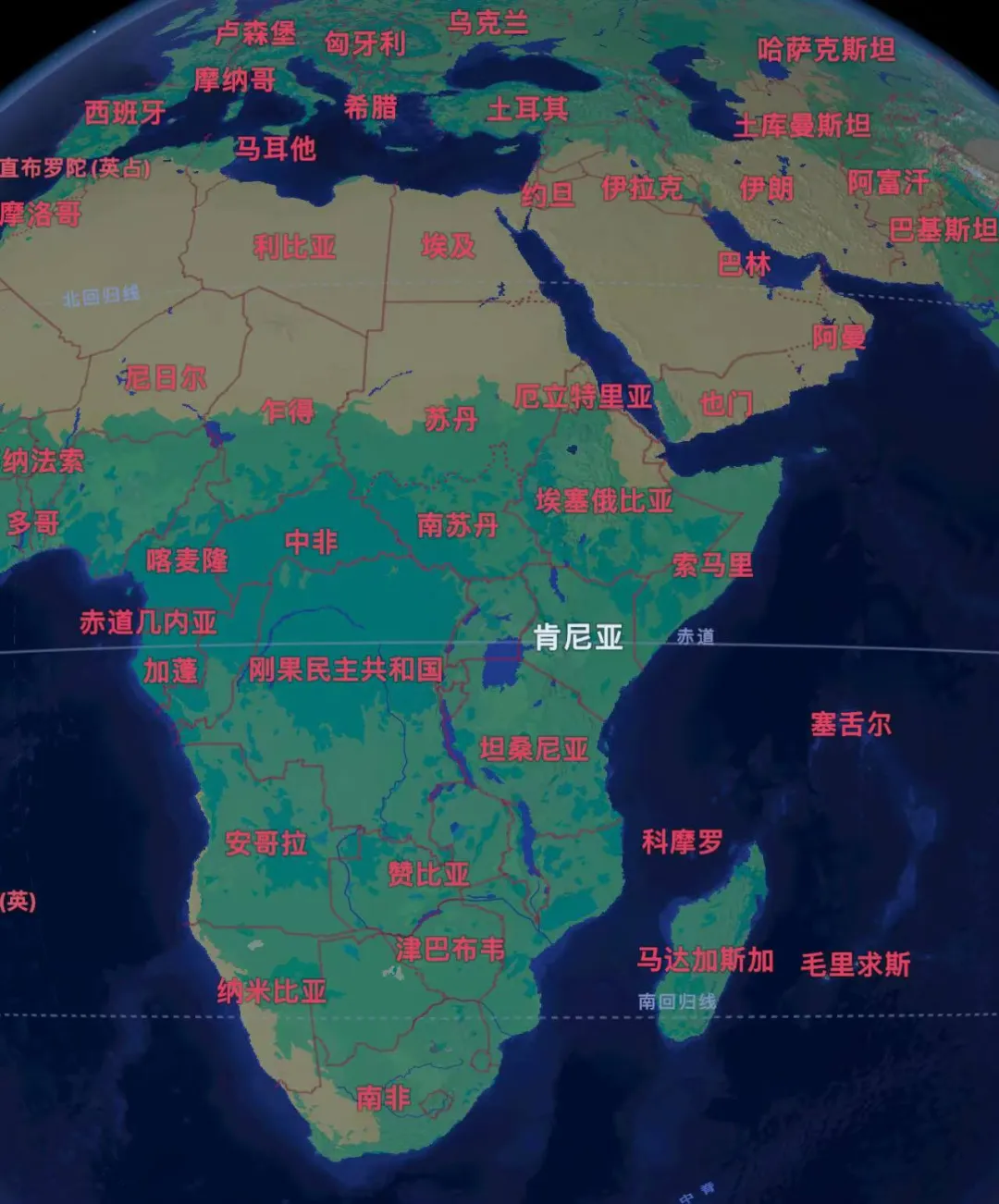
Kenya is located in East Africa, with the equator running right through the center of the country. The land features numerous plateaus and volcanic terrains, along with abundant sunshine and significant altitude variations, creating a unique agricultural ecosystem. Among these, the coffee industry stands out as one of the nation’s vital cash crops. Kenyan coffee is world-renowned for its bright acidity, complex layers, and distinctive fruity flavors, especially those from the high-altitude regions in the central and southwestern parts, which produce many specialty-grade beans highly regarded in the international market.
The full name of Kenya is the Republic of Kenya, covering an area of 582,646 square kilometers and consisting of 47 counties. It borders Somalia, Tanzania, Uganda, Ethiopia, and South Sudan, with the Indian Ocean to its southeast. The design of the national flag is highly symbolic: black represents the people, red symbolizes the struggle for independence, green signifies nature and agriculture, white stands for peace and unity, and the central shield and spears convey the spirit of protecting the homeland.
Kenya’s terrain is predominantly plateau, with an average elevation of about 1,500 meters. The East African Rift Valley runs through the country, forming a natural geographic divide. In addition to numerous lakes, the country also has several volcanic mountain ranges, including Mount Kenya, which rises to 5,199 meters. These high mountains and fertile volcanic soils provide an ideal growing environment for coffee trees. Moreover, Kenya has a tropical monsoon climate, generally divided into rainy seasons (March to June and October to December) and dry seasons. The average annual temperature ranges between 12–24°C, with rainfall decreasing from southwest to northeast. The cool climate of the high-altitude mountainous areas is particularly suitable for cultivating high-quality coffee.
Kenya currently has 14 coffee-growing regions, mainly concentrated in the southwestern and central areas, including Bungoma, Embu, Kiambu, Kirinyaga, Kisii, Machakos, Meru, Mt. Elgon, Murang’a, Nakuru, Nyeri, Thika, Taita Taveta, and Trans-Nzoia. Among these, Nyeri, Kirinyaga, Murang’a, Kiambu, and Thika are the five most renowned regions. Not only do they benefit from superior altitude conditions, but they also exhibit distinct flavor profiles due to differences in production models and processing methods.
Nyeri is located in central Kenya, home to the dormant volcano Mount Kenya. The coffee plantations here sit at altitudes ranging from 1,200 to 2,300 meters. Thanks to the high elevation and fertile volcanic soil, it has become a key hub for the coffee industry in the central region, equipped with comprehensive production and sales infrastructure. The neighboring Kirinyaga region features elevations between 1,300 and 1,900 meters and is known for its bold, layered, and well-structured coffee flavors, making it one of Kenya’s top-tier producing areas. The region is dominated by smallholder farmers who share advanced washed processing equipment through cooperatives to ensure consistent quality.

Murang’a, located in Central Province, also benefits from the nourishment of volcanic soils, with altitudes ranging from 1,350 to 1,950 meters. The area is home to approximately 100,000 coffee growers, the vast majority of whom are smallholders rather than large estates. Kiambu, on the other hand, is characterized mainly by large coffee estates, along with several cooperatives, and its plantations lie at elevations of around 1,500 to 2,200 meters. The coffee produced here often exhibits a rich and balanced character. Thika is a town near the capital Nairobi, surrounded by agricultural areas. Although primarily industrial, its coffee cultivation should not be overlooked, with plantations ranging from 1,520 to 2,200 meters. The beans often exude a unique tomato-like note, delivering a distinctive and memorable flavor profile.
Kenya experiences two main harvest seasons each year: the primary season runs from October to December, while the secondary season occurs from May to July. This biannual harvest characteristic ensures a relatively stable coffee supply and helps maintain consistent market quality.
Taking the recently popular Kenyan Assaria coffee beans as an example, this bean is processed using the K72 washed method and presented with a medium-light roast. The K72 washed process involves multiple rounds of fermentation and washing, effectively enhancing clarity and cleanliness in flavor. For pour over brewing, it is recommended to use a V60 filter, with a coffee-to-water ratio of 1:15 and water temperature controlled at 92°C. This setup not only highlights its bright acidity but also fully unlocks its layered flavors. In practical tasting, the brewed cup first reveals aromas of ripe tomato and elegant floral notes, while the sip delivers unique tastes of cherry tomato and dark plum. The acidity is vibrant and vivid, the sweetness is full-bodied, and the mouthfeel is refreshing like fruit juice. The overall flavor profile is clean and precise, making it an excellent choice for coffee enthusiasts who enjoy fruit-forward, high-altitude beans.
The above content is compiled by CoffeeHunters, a coffee news website.


