







Introduction:Want to explore the wonders of Panamanian coffee beyond Geisha? This article focuses on Elida Estate in the Boquete region, highlighting its highly acclaimed Catuai variety. Processed with the natural (sun-dried) method, it showcases a rich profile of tropical fruits and sweet aromatic notes. From regional geography and microclimate to processing details, we offer a comprehensive look at this specialty coffee bean ideal for pour over enthusiasts, along with practical brewing recommendations.
Panamanian coffee has long been ranked among the world’s finest specialty coffees. Especially after the Geisha variety shot to fame in the 2005 “Best of Panama (BOP)” competition, the world’s attention turned to this small Central American country. However, many coffee lovers mistakenly believe Panama focuses solely on Geisha, when in fact the country also cultivates several other high-quality varieties—including Catuai—each expressing unique terroir characteristics.
Located in southern Central America, Panama features a distinctive S-shaped terrain, bordering Costa Rica to the north, Colombia to the south, the Caribbean Sea to the east, and the Pacific Ocean to the west. This strategic location not only makes it a crossroads between North and South America but also earns it the title “Bridge of the World” due to the Panama Canal connecting the Atlantic and Pacific Oceans. The country is mountainous, with numerous volcanoes and forests, plus varied elevations and abundant water systems, creating diverse and unique microclimates that provide an ideal environment for coffee cultivation.
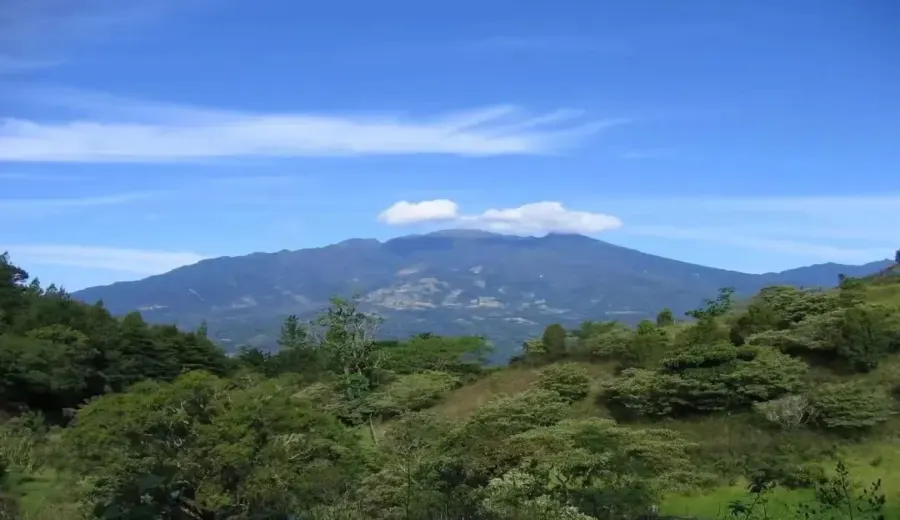
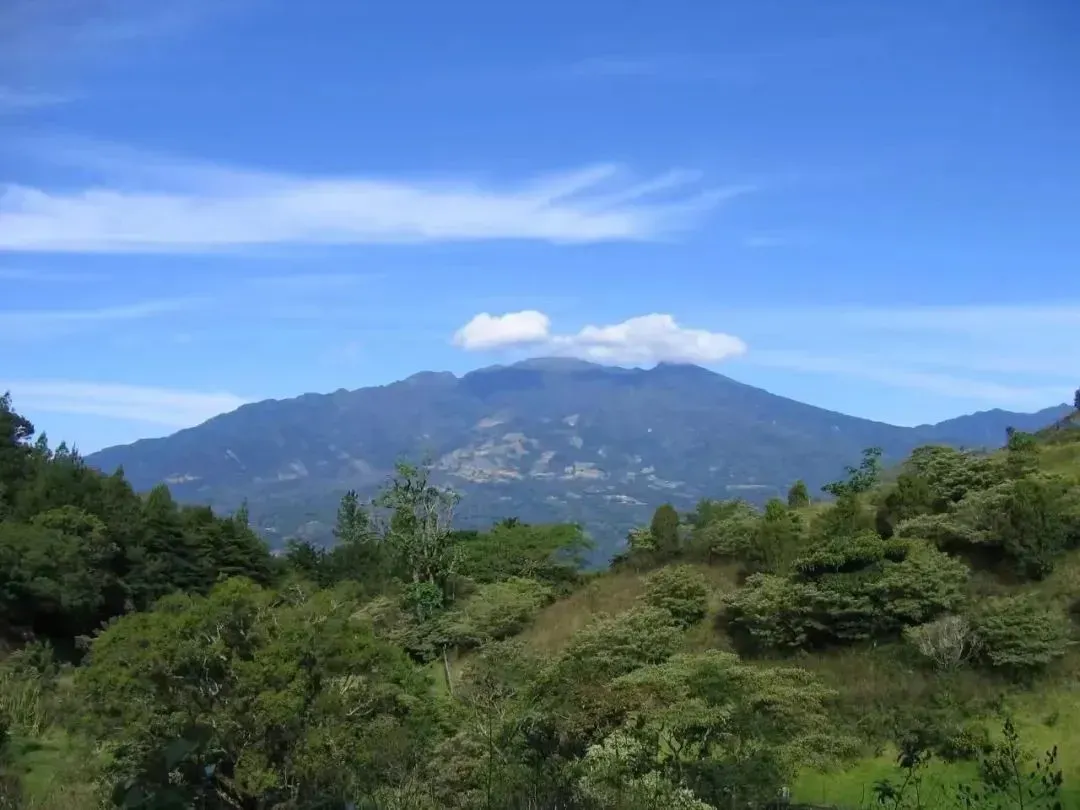
Panama has a typical tropical maritime climate, with stable annual temperatures ranging between 23°C and 27°C, and average annual rainfall of about 1500 to 2500 millimeters. The climate is distinctly divided into dry and wet seasons. Influenced by the central mountain range, the east-west oriented terrain causes cool air to gather in areas above 1900 meters in elevation, leading to the formation of special microclimates in regions like Boquete and Volcán Candela. Coupled with fertile volcanic soils, these areas have become key producers of Panama’s specialty coffee.
Among the many producing regions, Boquete is undoubtedly one of the most renowned coffee-growing areas, home to famous estates such as La Esmeralda, Don Pachi, and Elida. The region’s elevations mostly range between 1200 and 2000 meters, with significant day-night temperature variations that help coffee cherries ripen slowly and accumulate richer flavor compounds. Moderate rainfall, ample sunshine, and fertile volcanic ash soils together create the cradle of high-quality coffee.
Elida Estate is a standout in the Boquete region, spanning a total area of 65 hectares, over half of which lies within the Volcán Baru National Park. Only about 30 hectares are actually used for coffee cultivation, with the rest maintained as pristine forest. This environment not only preserves biodiversity but also provides a favorable micro-ecology for coffee growing. The estate’s coffee is cultivated at elevations between 1670 and 1850 meters, making it one of the highest-altitude coffee farms in Panama. The high elevation and cool temperatures result in slower maturation of coffee berries, allowing them to develop more intense and complex flavors.
Elida Estate insists on hand-picking only fully ripe coffee cherries to ensure optimal sugar content in the mucilage. The harvested coffee cherries are quickly transported to the processing facility located halfway up the mountain to minimize quality loss during transit. Currently, the estate primarily grows Catuai, Typica, and Geisha varieties, with Catuai being one of the main varieties due to its stable yield and good adaptability.
Catuai is a hybrid variety developed by the Agricultural Institute of Campinas (IAC) in São Paulo, Brazil, with Mundo Novo and Caturra as its parent varieties. This variety has a relatively short and compact tree structure, with short branches and slightly curled green leaves. The fruit is typically red, densely arranged, and the beans are oval-shaped with a fairly uniform overall appearance. Catuai is suitable for high-altitude cultivation, with high yield potential, but is relatively susceptible to diseases such as leaf rust, nematodes, and berry disease. It is now widely grown in countries like Brazil, Honduras, and Guatemala.
The “Panama Elida Catuai Coffee Beans” introduced here are grown at Elida Estate in the Boquete region, at an altitude as high as1850 meters, and processed usingthe natural (sun-dried) method, perfectly showcasing layers of tropical fruit and sweet caramel notes. It is recommended to use aV60 dripper, with a1:15 coffee-to-water ratiofor pour over brewing. This allows you to clearly perceive the subtle wine-like aroma brought by the natural process. Upon tasting, flavors of peach, raisin, and orange intertwine, accompanied by distinct caramel sweetness and a refreshing green tea note. The overall flavor profile is clean and well-layered.
For coffee enthusiasts who enjoy exploring different processing methods and flavor profiles, this Catuai not only demonstrates the exceptional performance of Panama’s high-altitude regions but also proves that beyond Geisha, the country offers many other specialty coffees worthy of careful tasting. If you wish to further explore the diversity of Panamanian coffee, start with this natural Catuai to experience a different tropical flair and rich sweetness.
The above content is compiled by CoffeeHunters, a coffee news website.


