







Introduction:Want to dive deeper into the diverse flavors of Honduran coffee? This special feature takes you on a tour of six major producing regions—including Copán and Opalaca—to explore how varying altitudes and climates shape unique flavor profiles of chocolate, tropical fruits, and citrus blossom notes. We’ll also introduce the most commonly planted varieties such as Bourbon and Catuai, along with recommended brewing methods, to help you find your perfect specialty coffee bean.
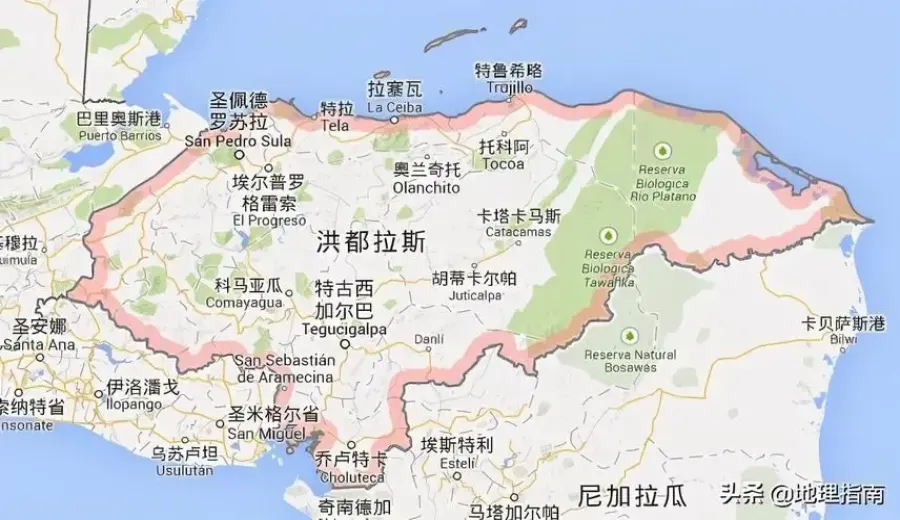
Honduras is one of the world’s top ten coffee-exporting countries. Its over 280,000 hectares of coffee farms are mostly managed by smallholder farmers, with an average farm size of less than 3.5 hectares, yet these farms collectively account for over 60% of the country’s production. Established in 1970, the official Honduras Coffee Institute (IHCAFE) has divided the country into six major producing regions—Copán, Opalaca, Montecillos, Comayagua, Agalta, and El Paraíso—based on geographical environment and microclimatic differences. Each region’s coffee boasts distinct regional characteristics.
Located in the west,Copán (Copan)encompasses the departments of Copán, Ocotepeque, and Lempira, and is known as the representative region for chocolate flavors.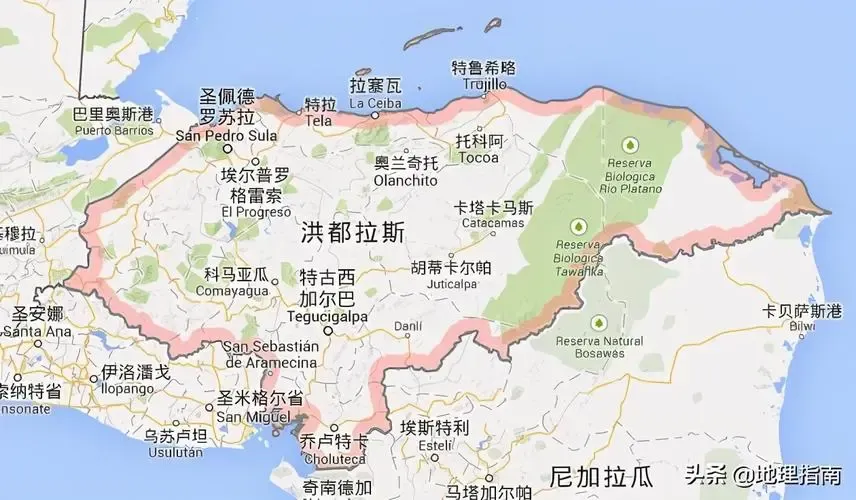 With elevations ranging from 1,000 to 1,500 meters and annual rainfall between 1,300 and 2,300 millimeters, varieties such as Bourbon and Catuai grown here often exhibit rich chocolate notes, complemented by sweet aromas of honey and caramel, while fruit flavors remain more subtle. Ideal for pour over enthusiasts who prefer a full-bodied taste, it is recommended to use a slightly finer grind and control the water temperature between 90–92°C to enhance sweetness.
Moving to the northwest,Opalaca (Opalaca)presents a flavor profile distinctly different from Copán. Situated between the departments of Santa Bárbara, Intibucá, and Lempira, this region sits at elevations of 1,100 to 1,700 meters with annual precipitation of 1,350 to 1,900 millimeters. The coffee produced here is known for its delicate acidity and balanced profile. Tropical fruit notes such as grape and mulberry are prominent, with a finish that carries the freshness of lemon and the sweetness of honey and caramel. Typica and Lempira varieties perform especially well here. It suits those who prefer bright fruity acidity, and you can try a medium-coarse grind with water temperature between 88–90°C.
Located in the central mountainous area,Montecillos (Montecillos)spans the departments of La Paz, Comayagua, Santa Bárbara, and Intibucá, and is a gathering place for floral and fruity aromas.With elevations between 1,200 and 1,700 meters and annual rainfall of 1,300 to 2,300 millimeters, its harvest season runs from December to April. The coffee from this region is distinguished by vibrant notes of lemon, peach, and orange-like citrus, with bright acidity that feels silky smooth like velvet, and a long-lasting aftertaste. The main varieties planted are Bourbon, Catuai, and Pacas. A medium-fine grind is recommended, with water temperature around 90°C, to highlight its colorful layers of fruit aroma.
Heading to the central region,Comayagua (Comayagua)borders the departments of Comayagua and Francisco Morazán, and its coffee is characterized by a rich creamy texture paired with sweet lemon notes.At elevations of 1,100 to 1,700 meters and annual rainfall of 1,350 to 1,700 millimeters, varieties such as Typica, Caturra, and Lempira produce a flavor profile with citrusy sweetness and hints of chocolate. It suits drinkers who enjoy a full-bodied cup with gentle acidity. For pour over, a medium grind is recommended, with water temperature slightly lowered to 89–91°C to balance sweetness and body.
In the east,Agalta Tropical (Agalta)is the most expansive of the six regions, covering parts of Olancho, El Paraíso, and Francisco Morazán, and comprising 14 ecological reserves with extremely high biodiversity.With elevations of 1,100 to 1,700 meters and annual rainfall of 1,350 to 1,950 millimeters, the coffee here features honey-like aromas and strong citrus flavors, with subtly layered acidity and a pleasant aftertaste. The main varieties planted are Bourbon, Typica, and Caturra. A medium-coarse grind is recommended, with water temperature between 88–90°C, to showcase its unique sweet-acid balance.
Finally, in the south,El Paraíso (El Paraiso)spans the departments of El Paraíso, Choluteca, and Olancho.At elevations of 1,100 to 1,700 meters and annual rainfall of 950 to 1,950 millimeters, the coffee from this region has a mild flavor profile, highlighted by soft fruity acidity and caramel aromas, offering a well-balanced and easy-drinking cup. The main varieties cultivated are Catuai, Caturra, and Pacas. It is suitable for beginners or those who prefer lighter-tasting coffee. For pour over, a medium grind is recommended, with water temperature around 90°C, to bring out its gentle sweetness and balanced acidity.
The above content is compiled by CoffeeHunters, a coffee news website.


