







Introduction:Recently, multiple active volcanoes in Indonesia have erupted one after another, with the alert level raised to the highest. This not only threatens the safety of local residents but also severely impacts the Robusta coffee-growing regions. Coffee farms during the harvest season are facing ash cover and abnormal weather conditions, which could lead to a sharp drop in production. Coupled with Vietnam’s worsening drought that is tightening global coffee stocks, price trends are drawing close attention. This article will help you understand how volcanic activity affects the coffee supply chain and what possible changes the market may face in the future.
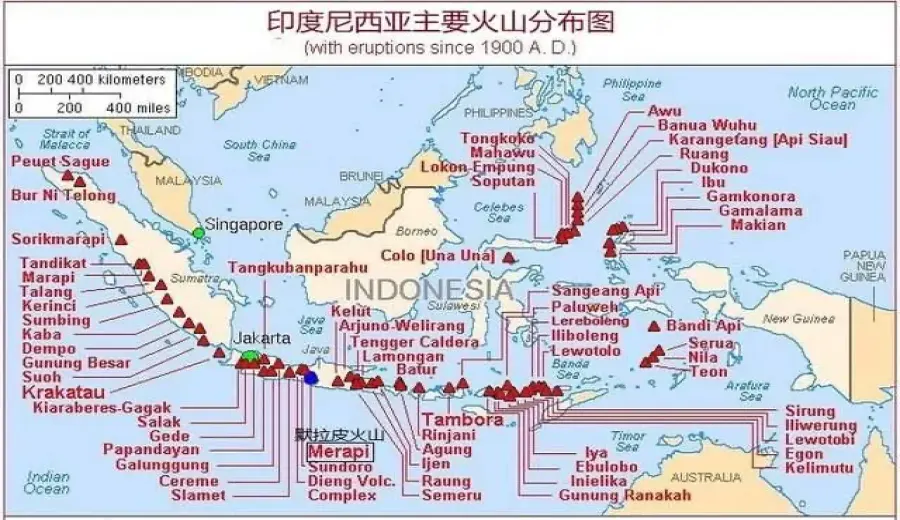
Indonesia is located at the junction of the Eurasian, Indian, Australian, and Pacific tectonic plates, making it one of the countries with the highest density of active volcanoes in the world, with a total of 127 active volcanoes spread across its territory. This unique geographical location, while endowing the country with abundant geothermal resources, also subjects it to long-term risks of earthquakes and volcanic disasters.
Recently, volcanic activity in Indonesia has significantly intensified, with multiple volcanoes erupting in succession, prompting authorities to raise the alert level to the highest. Take Mount Semeru on Java Island as an example: between April 8 and 9, it erupted continuously, with the ash column reaching as high as 1,000 meters and lasting for more than two minutes, causing significant impact on the surrounding environment.
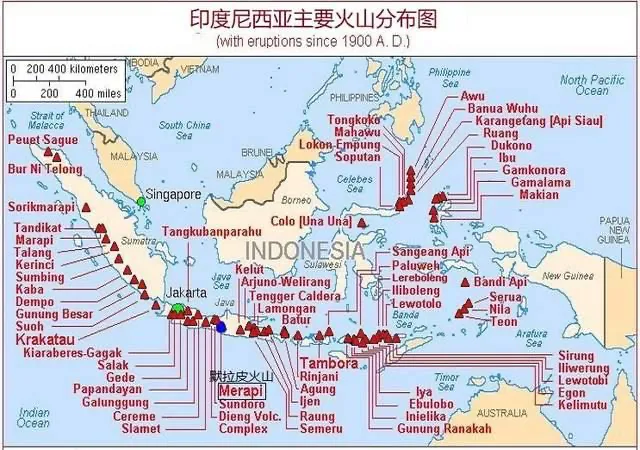
Subsequently, Ibu Volcano on Halmahera Island and Mount Marapi on Sumatra also erupted one after another, with ash columns reaching 800 meters and an undisclosed height respectively. Particularly noteworthy is that after the earthquake near North Sulawesi Province on April 16, Ruang Volcano erupted three times in a single day on April 17. Meanwhile, Ibu Volcano, which had already been active, erupted again with an astonishing ash column height of 2,500 meters.
In addition to directly threatening the lives and property of residents, volcanic eruptions have multiple impacts on agricultural production—especially coffee cultivation. Authorities have urgently evacuated residents around the volcanoes, temporarily closed multiple airports, canceled a large number of flights, and established restricted zones prohibiting entry within a 6-kilometer radius of the craters to prevent secondary disasters such as tsunamis or pyroclastic flows caused by landslides.
For the coffee industry, the impact of volcanic ash and toxic gases is particularly severe.Volcanic ash not only covers the leaves of coffee trees, hindering photosynthesis, but the sulfides and acidic substances within it may also alter the soil pH over the long term.Even worse, sulfur dioxide released during eruptions transforms into acid rain in the atmosphere, directly damaging plant health and reducing both the quality and yield of coffee beans.
Industry insiders point out that the current period is the main harvest season for Robusta coffee, but with the double blow of volcanic activity and persistently harsh weather, production in some affected islands is estimated to decline by about 20%. If the impact spreads to the major producing regions nationwide, the overall production drop could reach50%. Such a reduction would undoubtedly be a heavy blow to the global Robusta supply chain.
Adding to the challenge, Vietnam—the world’s other major exporter of Robusta coffee—has recently experienced severe drought, leading to a sharp decline in its coffee output and further increasing international reliance on Indonesian Robusta. With the supply-demand imbalance, the price of Robusta coffee beans has been rising steadily recently. The market expects prices to continue climbing as Indonesian producing regions remain under volcanic influence.

Experts suggest that keeping an eye on weather and volcanic activity in major producing regions can help consumers and traders better grasp market trends and make more informed purchasing decisions. For coffee enthusiasts, understanding regional changes can also aid in selecting coffee products with more distinctive flavors and reliable origins.
The above content is compiled by CoffeeHunters, a coffee news website.


