







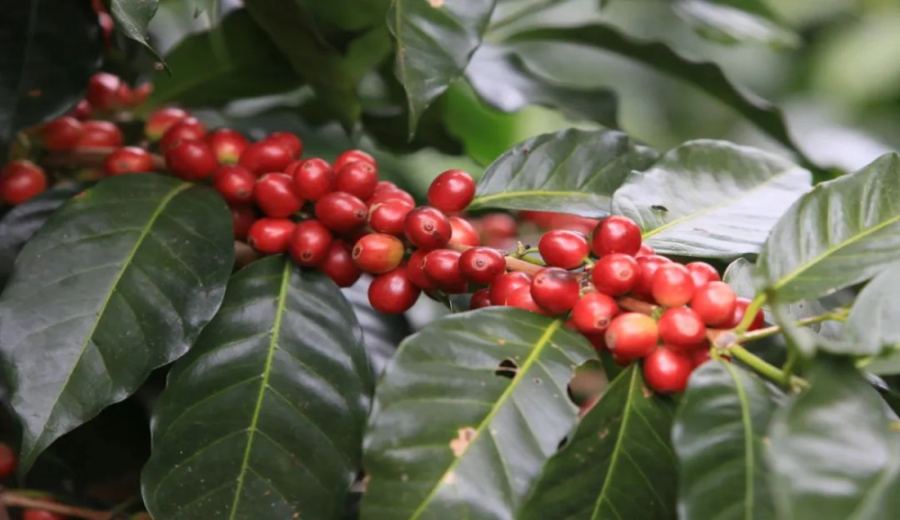
Introduction:Catimor coffee beans have a complex genetic background, combining traits from both Arabica and Robusta. This article delves into the variety’s lineage, plant characteristics, and its unique flavor profile—especially the often-discussed “devil’s tail” aftertaste. Understanding this widely planted yet controversial variety helps you gain a more comprehensive view of the varietal strategies and challenges behind the coffee industry.
In the history of coffee cultivation, varietal improvement has often been key to addressing diseases and market demands. Long before the 20th century, the global coffee industry relied almost entirely on the Arabica species. However, starting from the late 19th century, outbreaks of coffee leaf rust and berry disease led to the mass death of disease-susceptible Arabica trees, causing long-term damage to many producing regions. It was under such crises that scientists began searching for alternative varieties with both disease resistance and yield potential, and Catimor emerged as one of the significant outcomes.
The birth of Catimor originated from a long-term breeding program at Portugal’s Coffee Leaf Rust Research Centre (CIFC) in 1957. After more than a decade of effort, researchers successfully developed several Timor-line varieties with strong disease resistance and stable yields, including strains numbered CIFC832/1, CIFC832/2, and CIFC1343. These varieties were later introduced to multiple countries as the basis for further improvement. Among them, CIFC832/1 was crossed with the Arabica Bourbon variety—Caturra—to give rise to today’s protagonist: Catimor.
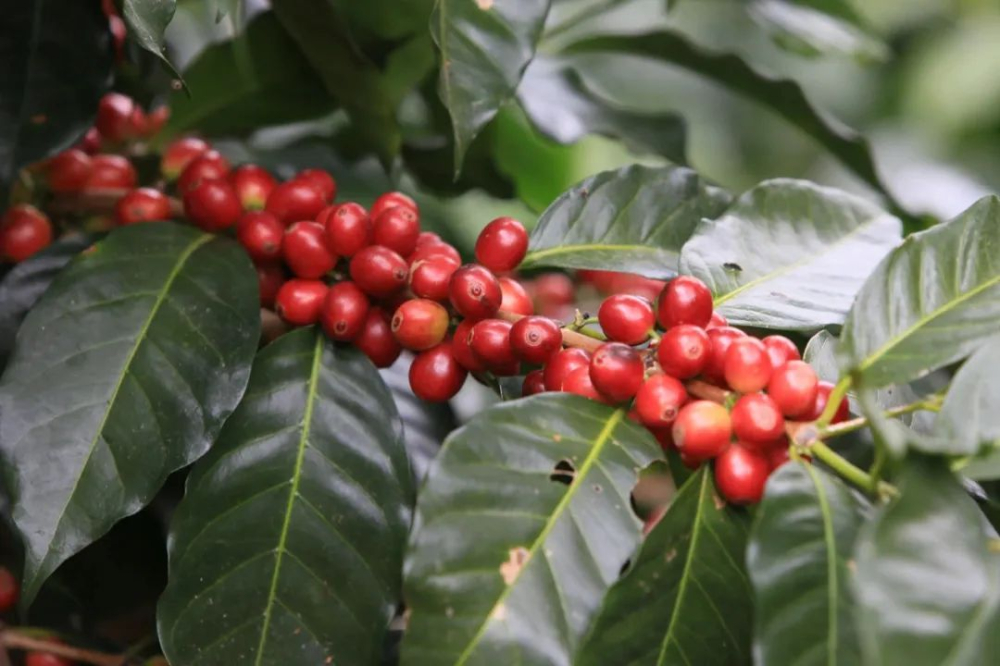
From a genetic perspective, Catimor is a “hybrid variety.” Its maternal parent, Caturra, is a dwarf variant of the Arabica Bourbon variety, while its paternal parent, Timor, is a natural hybrid of Robusta and Arabica. As a result, approximately three-quarters of Catimor’s genome comes from Arabica, which is why it is classified as an Arabica variety. However, that one-quarter of Robusta genes brings with it unique and controversial flavor characteristics.
Observing the appearance of Catimor green beans reveals a blend of traits from both parents. Caturra beans are typically rounder and more elongated, while Timor beans are thicker and larger in size. Catimor beans fall somewhere in between, featuring a slender yet plump outline, with their ends often slightly upturned—a visual trait that also helps in identifying them.
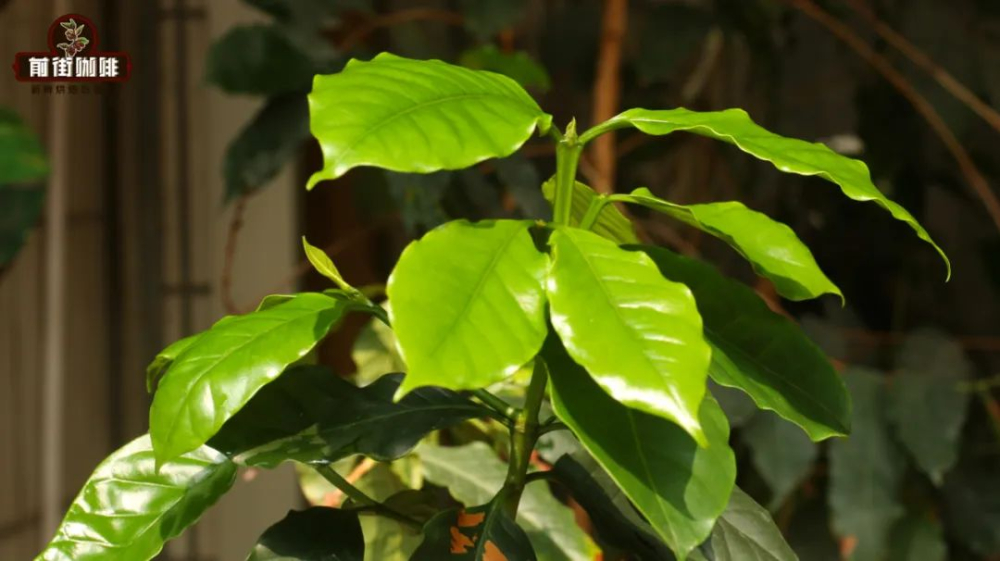
Beyond appearance, Catimor also demonstrates high adaptability in plant characteristics. Its top young shoots display a vivid green color, with overall deep dark green leaves, short internodes, and dense branching. It has a wide range of adaptability, particularly excelling in drought tolerance and a certain degree of cold resistance. Compared to traditional Arabica varieties, Catimor plants are relatively shorter but exhibit vigorous growth, and the short internodes allow each plant to bear more fruit. Coupled with a smaller overall footprint, more plants can be cultivated per unit area, which is one of the reasons for its significantly higher yield compared to general Arabica varieties.
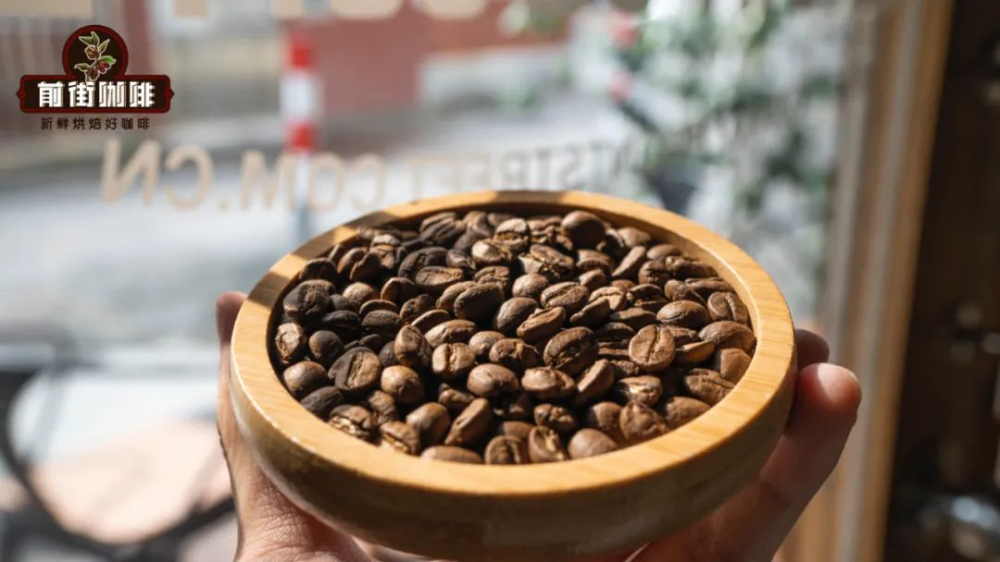
However, what Catimor is most controversial for is its flavor profile. Although it inherits the foundational flavor potential of Arabica, the influence of Robusta genes introduces some noticeable side effects. The most frequently mentioned is the so-called “devil’s tail”—an earthy or off-putting aftertaste that often displeases coffee enthusiasts. Additionally, Catimor has a relatively shorter maturation cycle, meaning the fruit spends less time on the tree and accumulates fewer nutrients compared to traditional high-altitude varieties, further limiting the depth and complexity of its flavors.
Moreover, while its high-yield characteristic is an advantage, it also puts pressure on flavor quality. Excessively high yields can lead to nutrient dilution within the plant—akin to dividing a single portion into more parts; although the quantity increases, maintaining the quality of each part becomes difficult. When these factors combine, especially in planting environments below 1200 meters in altitude, Catimor’s flavors often come across as thin, with the undesirable traits in the aftertaste becoming even more pronounced, leading to the industry’s commonly cited “devil’s tail” phenomenon.
It’s worth mentioning that despite clear shortcomings in flavor, Catimor still plays a critical role in many producing regions. Especially in areas once devastated by disease, Catimor’s strong disease resistance and stable yield have made it a vital pillar for sustaining local coffee industries. Today, many producers are actively working to dilute the influence of Robusta genes through crossbreeding or backcrossing with other Arabica varieties, while also adopting more refined cultivation and post-harvest processing techniques in an attempt to enhance flavor performance and reduce that off-putting devil’s tail.
With advancements in cultivation techniques and processing methods, Catimor still holds potential for improvement. Although it may take time to fully transform into a high-quality specialty bean, under the right environmental and processing conditions, its performance has gradually been moving toward a more balanced direction. As some industry players have said, the future Catimor might just bring us some unexpected surprises.
The above content is compiled by CoffeeHunters, a coffee news website.


