








Introduction:The layered heart latte art is a classic pattern that many baristas and enthusiasts love to challenge. Though it looks elaborate, it is built upon a solid foundation of a basic white heart. This article delves into how to create distinct, flowing layered patterns by adjusting milk foam fineness, controlling pour ratios, and mastering key pitcher movements. Whether you’re a beginner or already comfortable with the white heart, you’ll gain practical tips to prepare for more advanced designs like wheat ears or swans.
Although the layered heart may seem complex, it’s essentially a white heart with the added nuance of pitcher movement, which adds depth to the design. However, to achieve clear and aesthetically pleasing layered patterns, the fineness of the milk foam, the control of milk volume during pouring, and stable pitcher motion are all crucial factors. This guide will take you through everything from steaming milk to pitcher techniques and the actual pouring process, providing a complete breakdown of the key elements in creating a layered heart.
Milk foam thickness is the foundation of a successful layered heart.Compared to a white heart, the layered heart requires thinner and finer milk foam so that the milk flows smoothly during pouring, allowing the patterns to unfold more easily. Generally, white heart foam is steamed to about 6 to 80% fullness, but for a layered heart, it’s recommended to keep the foam at60% fullness. Foam that is too thick can hinder fluidity, resulting in blurry or poorly defined patterns. However, be cautious—if the foam is too thin, while it might create unique textures, it can also lead to an uneven surface, which may increase difficulty for beginners.

The amount of milk used during the pouring phase is equally critical.Too much milk during the initial pour raises the liquid level too high, weakening convection effects and making it harder to achieve three-dimensional patterns.Reducing the pour volume moderately helps maintain an appropriate liquid height, aiding in the formation of fuller and more contrasting patterns during the pour. Therefore, it’s advisable to use a smaller amount of milk when creating a layered heart, preserving enough space and fluidity for the patterns to develop.
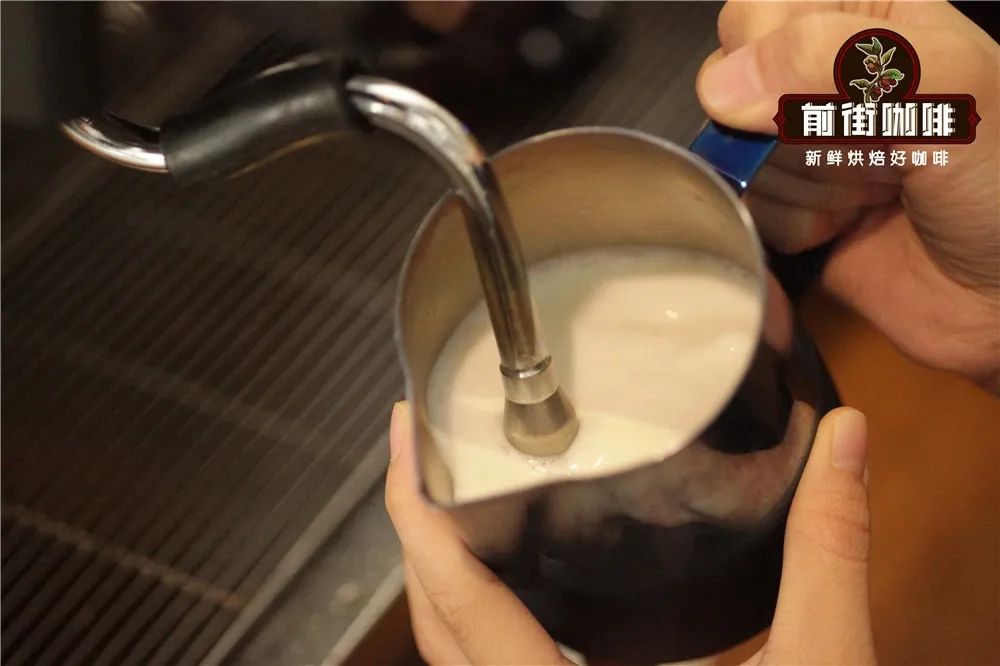
One of the biggest differences between a layered heart and a white heart is the addition of the “pitcher movement” — a key action. By gently rocking the pitcher side to side with your wrist, you create overlapping layers of patterns as you pour, giving the layered heart its unique visual appeal. However, this movement requires muscle memory and a well-developed sense of touch. It’s recommended to first fix your grip on the pitcher and become proficient before focusing on mastering the swinging technique. Otherwise, switching grips midway can affect overall stability and learning efficiency.
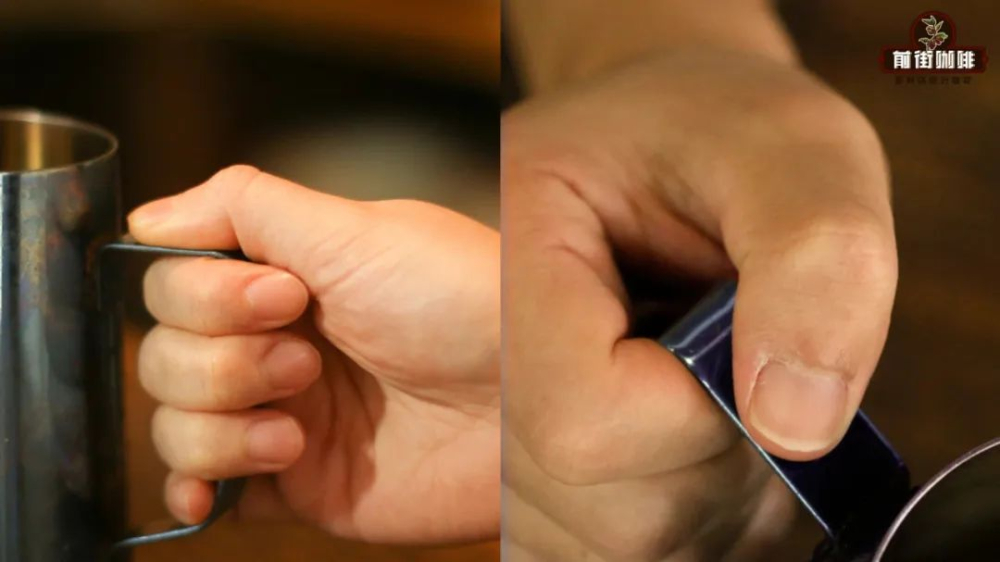
There are two common pitcher grips: The first uses the pitcher handle as a pivot, with the thumb and index finger holding it steady while the other three fingers control the side-to-side motion. The second also uses the handle as the axis, but instead places pressure with the thumb and index finger on either side, while the remaining three fingers assist in stabilization. Both methods have their pros and cons, so it’s best to pick one and practice repeatedly until mastered before trying to switch. Among them,the second grip is more conducive to learning advanced patterns such as wheat ears or swans later on, and is the recommended starting choice for many professional baristas.

Finally, let’s move on to the actual pouring process. The pour-in point for a layered heart is similar to that of a white heart. It’s suggested to start pouring at the1/4 markof the cup, and to control the pitcher height so that the milk flow is slightly lower than that of a white heart during the initial pour—helpful for forming patterns later on. As you pour the milk, coordinate it with rhythmic pitcher movements to allow the patterns to emerge naturally. When the cup is nearly90% full, gradually raise the spout and finish with steady motions to ensure the final design is clean and neat.
In summary, although the layered heart requires mastering more details, it still builds upon the fundamentals of the white heart. With familiarity in milk foam control, pouring techniques, and consistent practice in pitcher movement, you’ll be able to gradually craft layered heart designs with clear patterns and rich texture, laying a solid foundation for tackling even more complex latte art patterns in the future.
The above content is compiled by CoffeeHunters, a coffee news website.


