








Introduction:Ethiopia is a major origin of specialty coffee worldwide, where G1 and G2 are common green bean grades. Many coffee enthusiasts often wonder: what exactly is the difference between these two grades? Aside from defect rates, what other factors influence grade classification? This article will delve into Ethiopia’s grading system, and through a comparison of the appearance, roasting performance, and pour over flavors of Yirgacheffe G1 and G2 green beans, help you understand the practical significance behind the grades and provide useful extraction references.
Ethiopia’s coffee grading method is unique globally, primarily using the ratio of defective beans as the core criterion — a stark contrast to many other producing regions that rely on altitude or bean size for scoring. Among the various grades, G1 and G2 are the two most commonly seen, especially in export markets. So, how do coffee beans of these two grades actually differ in performance? From green bean appearance to roasted color, and then to the final brewed flavors, their differences are worth exploring in depth.

First, we need to understand why a coffee bean grading system is necessary. Since coffee beans are agricultural products, their quality is influenced by multiple factors such as climate, soil, and processing methods, making it difficult to achieve a completely uniform industrial standard. To effectively differentiate quality, the grading system was introduced, allowing buyers and consumers to quickly grasp the general level of the beans based on the grade. Especially in the specialty coffee field, the grade is often an important reference indicator of flavor potential.
However, due to varying geographical environments and cultivation conditions around the world, grading standards are not unified. For example, Central and South America often use growing altitude as the basis for grading, Kenya focuses on bean size, while Ethiopia chooses the ratio of defective beans as the main scoring criterion. Such differences reflect each producing region’s flexible adjustments according to its own conditions, and also mean that consumers need to have some knowledge of the origin when selecting coffee.
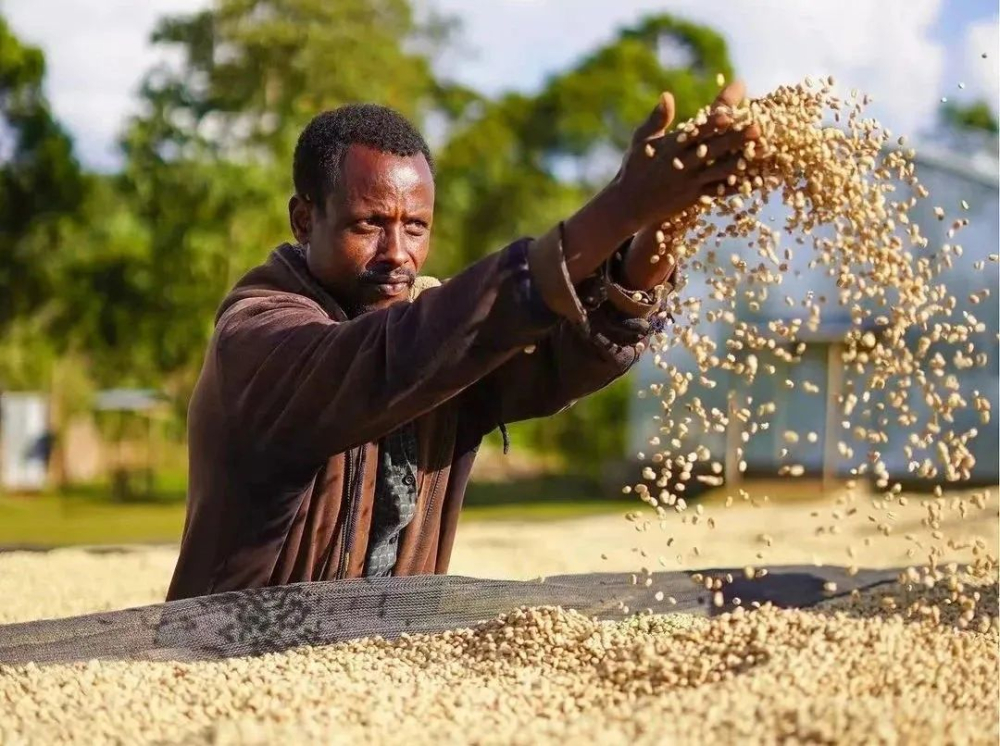
When discussing Ethiopia’s grading method, one cannot overlook its rich coffee gene pool. As the birthplace of coffee, the country has tens of thousands of coffee varieties that have not yet been fully classified. To protect these unique genetic resources, the government collectively refers to them as “Heirloom” (heritage). This also explains why many Ethiopian native variety beans appear in inconsistent sizes and shapes. In addition, since local coffee is mostly grown wild or semi-wild, harvesting is often carried out by multiple farmers picking from different plots, resulting in diverse varieties and uneven sizes within a single batch, making it difficult to grade solely by size.
Furthermore, most of Ethiopia’s coffee-growing areas do not have significant altitude variations, which also makes it difficult to apply the “higher altitude equals higher grade” assessment method. Therefore, the country ultimately chose the ratio of defective beans as the core basis for grading. However, since 2009, the Ethiopian government has also adjusted its strategy by incorporating cupping results and bean appearance into a comprehensive evaluation alongside defect rates, in order to more accurately reflect the actual quality of the coffee.
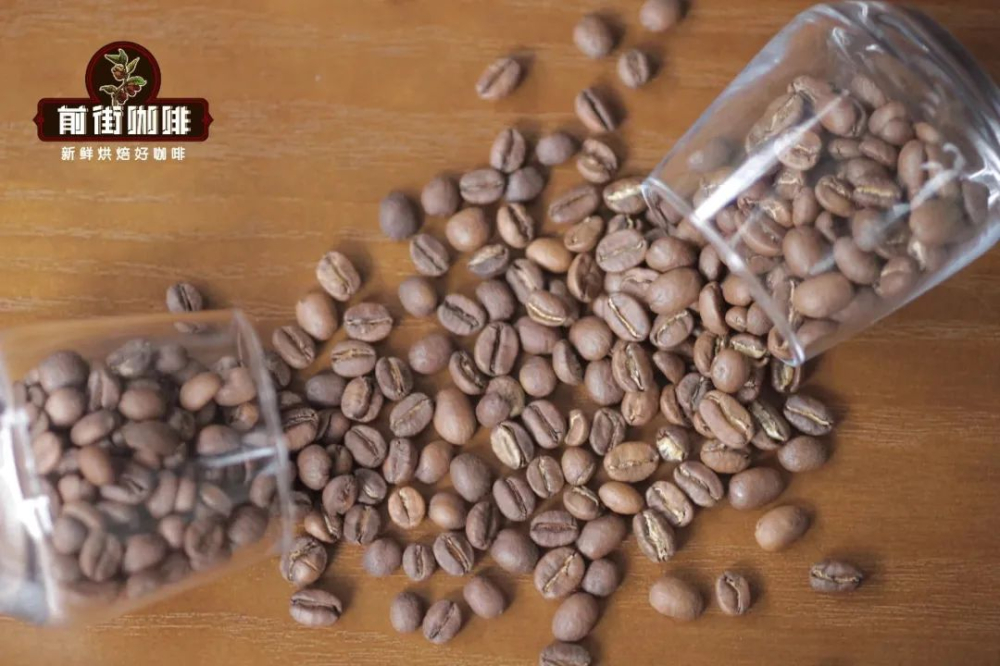
So, where exactly do the practical differences between the G1 and G2 grades manifest? Let’s take the washed beans from the well-known Yirgacheffe region as an example and observe their green bean appearance. From actual samples, it can be observed that G1-grade Yirgacheffe green beans are typically plumper, with more uniform overall color, and noticeably fewer defective beans compared to G2 grade. Although this aligns with our expectations, after removing the defective beans and conducting a light roast, subtle differences in color still exist between the two, mainly related to bean size and density.
In terms of roasting, we opted for a light roast to preserve more floral and fruity aromas as well as bright acidity — typical characteristics of high-altitude coffees like Yirgacheffe. After roasting, we used a V60 filter, with 15 grams of coffee, a 1:15 coffee-to-water ratio, the EK43 grinder set to 10, water temperature at 92°C, and performed a three-stage pour over: first, a 30-second bloom with twice the amount of coffee (about 30 grams) of water, followed by pouring 120 ml of hot water in small streams in a large circle, and finally pouring 75 ml in small circles to complete the brew.
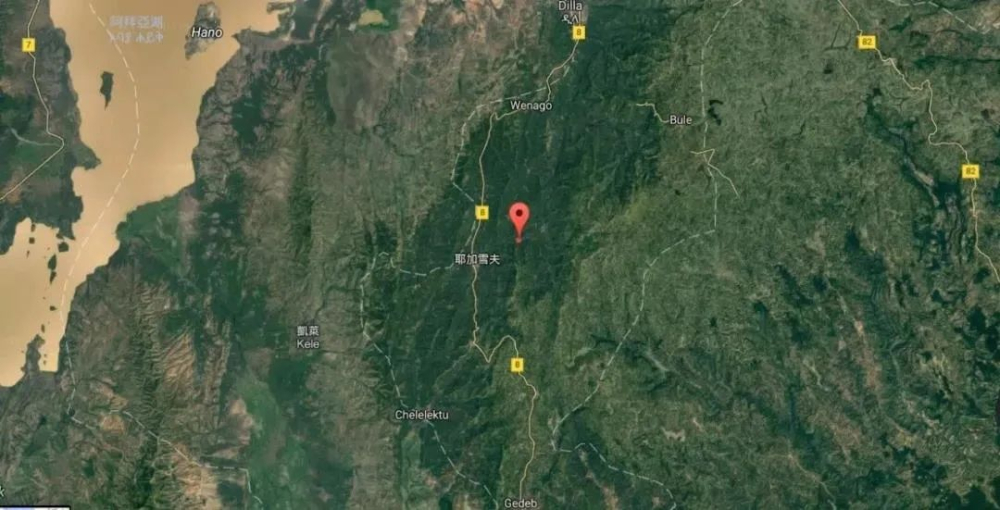
In terms of flavor, G2-grade Yirgacheffe exhibits clear lemon acidity, white floral notes, and a subtle citrus tone, with a light green tea-like finish — representing the classic flavor profile of the region. The G1 grade, on this foundation, shows brighter acidity, cleaner mouthfeel, and a slightly longer aftertaste, with better overall balance. However, if the two are not tasted side by side, these subtle differences are not very noticeable.
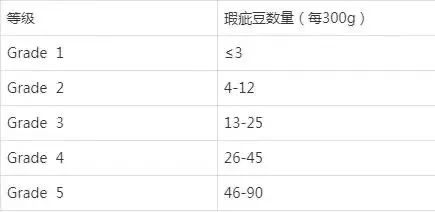
Based on comprehensive test results, the flavor direction of G1 and G2-grade Yirgacheffe is largely similar, with the main differences lying in the clarity of details and overall smoothness. For the average consumer, unless you are an extremely discerning coffee connoisseur, these differences do not constitute a decisive factor in daily purchasing decisions. Additionally, in the roasted bean market, most shops import only G1 or higher grades to maintain product quality, so consumers don’t actually need to overly worry about the grade issue — instead, they should focus more on practical factors that have a greater impact on flavor, such as roast date, processing method, and brewing technique.
The above content is compiled by CoffeeHunters, a coffee news website.


