








Introduction:From barista competitions to roasting contests, and even highly artistic latte art showdowns, the World Coffee Championships (WCC) encompass seven major international events. Each competition serves not only as a stage for industry elites to compete but also leads the trends in specialty coffee. This article takes an in-depth look at seven events — the WBC, pour over competition, latte art competition, roasting competition, cupping competition, coffee cocktail competition, and Turkish coffee competition — to help you understand the rules, highlights, and practical details, giving you a fuller appreciation of the allure of professional coffee competitions.
In the world of coffee, there is an international competition spectacle akin to the Oscars or the Olympics — the World Coffee Championships (WCC). It features seven specialized events, each focusing on baristas, pour over, latte art, roasting, cupping, cocktails, and Turkish coffee, showcasing the skills and creativity of baristas from all angles. These competitions are not just about technical prowess, but also serve as a barometer for specialty coffee trends.

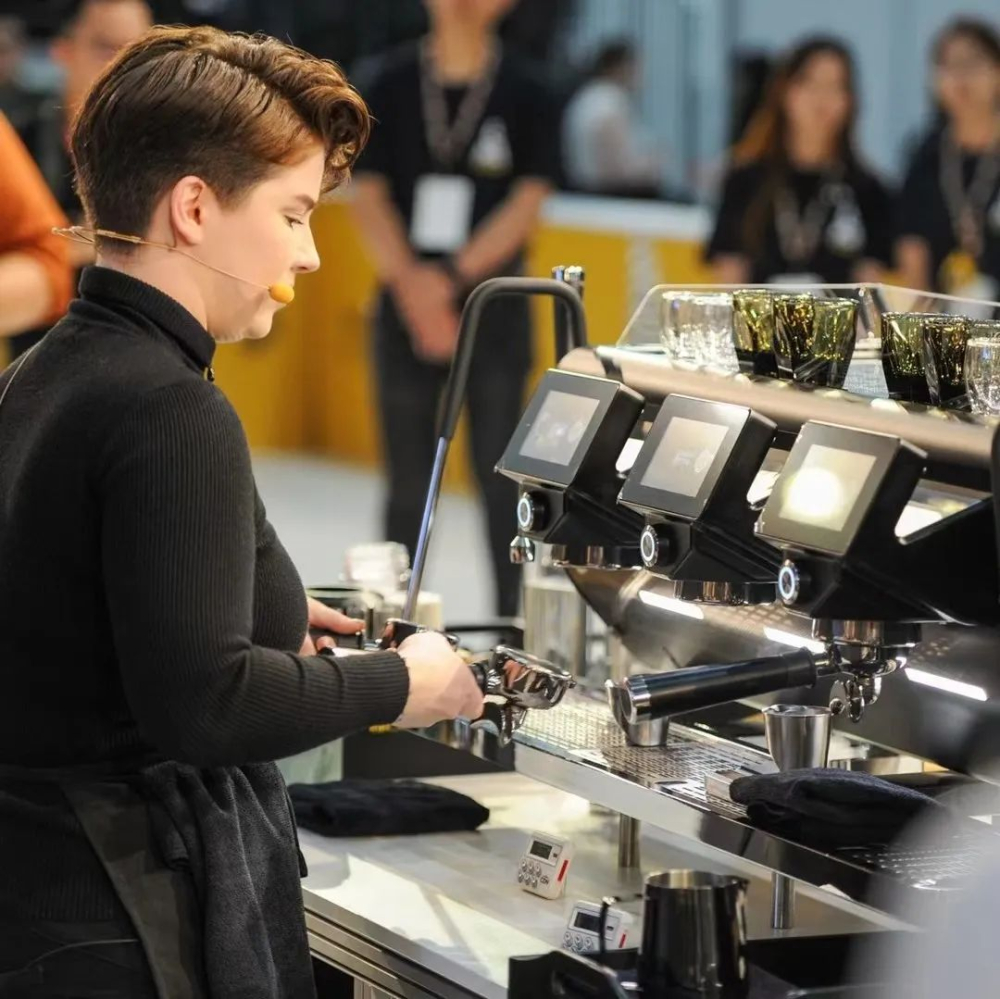
The World Barista Championship (WBC) can be described as the Olympic Games of the coffee world. Since its debut in Monte Carlo, Morocco in 2000, it has attracted top baristas from around the globe every year. During the competition, contestants must prepare 4 espressos, 4 milk-based coffees, and 4 signature drinks within 15 minutes, while also providing a detailed explanation of their design concepts. Judges evaluate based on coffee flavor, technical execution, creative expression, equipment use, and overall presentation. The WBC is not only a test of skill but also a global platform for coffee culture exchange.
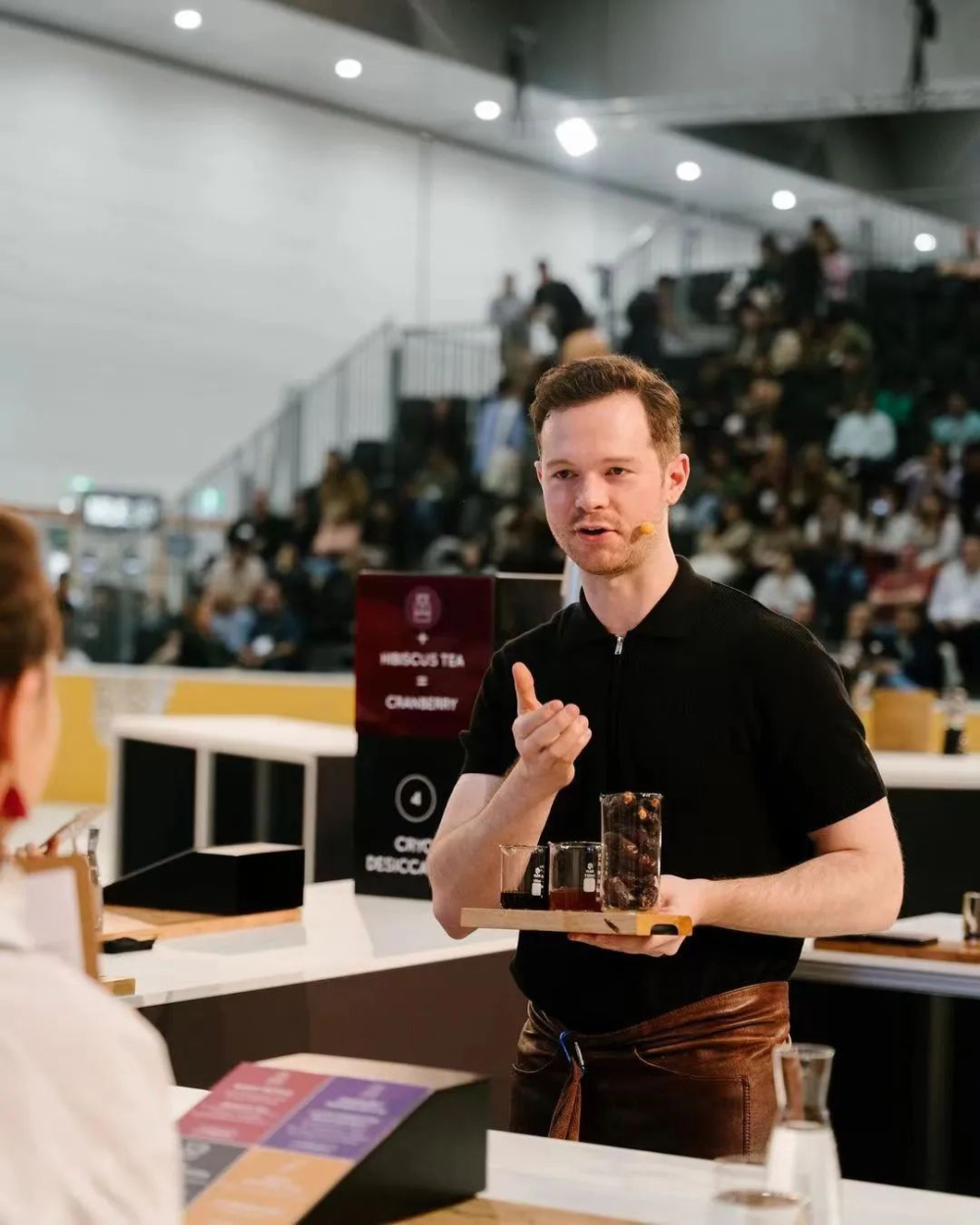
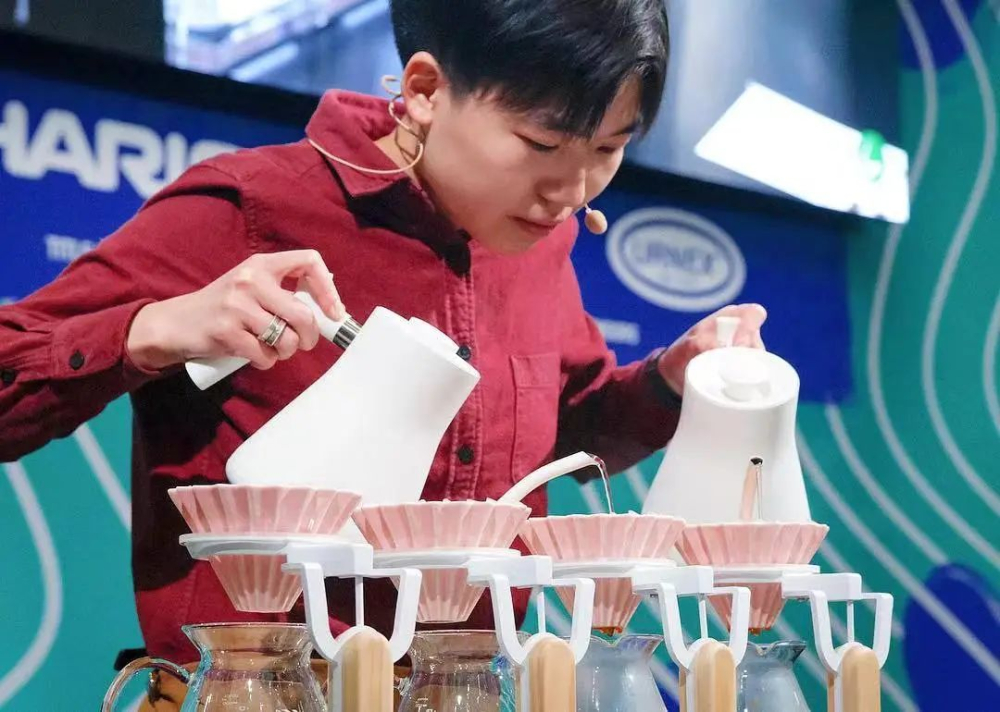
If you’re passionate about pour over coffee, then the World Brewers Championship (WBrC) is definitely not to be missed. This event focuses on the manual brewing techniques of black coffee, emphasizing the expression of the coffee’s essence. The competition is divided into two segments: the prescribed brew and the open brew. In the prescribed brew, all contestants use the same roasted beans and identical equipment to demonstrate consistent brewing skills; the open brew allows the use of personally preferred beans and brewing devices for free expression. Judges score based on workflow design, brewing consistency, and final flavor quality, showcasing the barista’s understanding and control of extraction.
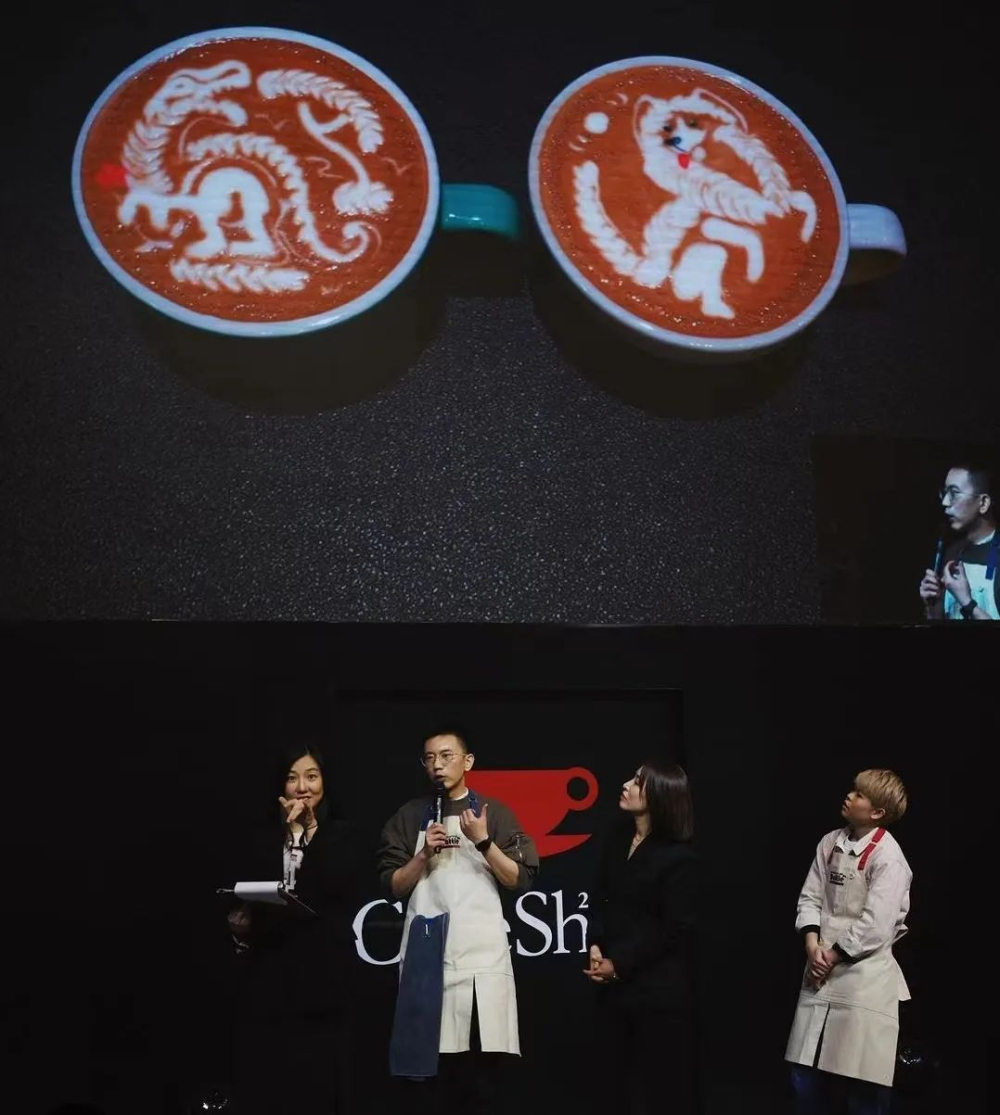
The World Latte Art Championship (WLAC) is a competition that combines visual artistry with technical skill, focusing on the perfect fusion of espresso and milk. Contestants must create aesthetically pleasing and consistent latte art patterns, including both designated designs and original creations, within a limited time. The competition includes preliminary, semi-final, and final rounds, during which multiple sets of latte art drinks must be produced within set timeframes. Judges score based on pattern clarity, contrast, creativity, and overall performance. Notably, the espresso machines, grinders, and milk used in the competition are all provided by the organizers to ensure fairness.

The World Coffee Roasting Championship (WCRC) is the stage for roasters, where the focus is on maximizing the potential of green beans through roast profile design. Contestants are required to evaluate green beans, set optimal roast parameters, and present the roasted results. Judges conduct blind cuppings to evaluate the roasted beans, scoring rigorously based on flavor complexity, defect control, and consistency. This is not only a test of technique but also an assessment of the contestant’s understanding and application of bean characteristics.
The World Cup Tasters Championship (WCTC) is the ultimate challenge of speed and accuracy. During the competition, contestants must quickly identify the one different cup among three (two identical, one different). Each round consists of eight challenges, requiring contestants to balance speed and accuracy. Finalists are further tasked with flavor descriptions and simple customer service demonstrations. In case of a tie, the contestant with the faster time wins. This event fully showcases the sensory acuity and professionalism of expert cuppers.
The World Coffee in Good Spirits Championship (WCIGS) combines coffee with alcoholic beverages, making it a cross-disciplinary competition of creativity and taste. Contestants must use spirits designated by the organizers to create innovative drinks, including both hot and cold beverages, and even traditional Irish Coffee. The competition is divided into preliminary and final rounds, with judges scoring based on drink balance, flavor integration, commercial potential, and technical execution. Irish Coffee has strict guidelines, allowing only coffee, whiskey, sugar, and fresh cream, and must be served in a specified glass.
The World Turkish Coffee Championship (The Cezve Ibrik Championship, TC/IC) is dedicated to promoting traditional Turkish coffee culture. Contestants must use the traditional copper Turkish coffee pot (Cezve / Ibrik) to prepare two basic black coffees and two creative Turkish coffees within 15 minutes. The competition emphasizes the understanding of Turkish coffee brewing methods and how to showcase personal creativity through traditional tools, making it a blend of culture and craftsmanship.
In addition to the seven major events organized by World Coffee Events, there are other competitions around the world that focus on specific brewing methods, such as the World Siphonist Championship (WSC) and the World Aeropress Championship (WAC). These events also highlight the unique charm of different brewing tools, providing more stages for baristas worldwide to showcase their talents.

These international coffee competitions are not only arenas for skill contests but also important forces driving innovation and cultural heritage in the coffee industry. By understanding the rules and highlights of these events, coffee enthusiasts can gain deeper insight into the professionalism and passion behind coffee, and keep up with the evolving trends in specialty coffee.
The above content is compiled by CoffeeHunters, a coffee news website.


