







Introduction:For coffee lovers who don’t enjoy sharp acidity, finding a pour over bean that is rich, smooth, and has warm flavors can be a challenge. This article will delve into why some coffee beans are naturally lower in acidity, and based on origin, processing method, and roast level, we’ve selected five full-bodied beans ideal for pour over. We provide detailed flavor descriptions and practical extraction parameters to help you find your everyday go-to bean.
Not every coffee enthusiast is drawn to bright fruity acidity. Many, after years of exploring specialty coffee, ultimately choose a brew that is rich in flavor, gentle on the palate, and free from harshness. Such coffees typically center around notes like nuts, cocoa, caramel, dark chocolate, herbs, and even subtle earthy aromas. They offer a smooth mouthfeel, sweet and lingering aftertaste, making them perfect as everyday drinking beans.
So, why do some coffee beans have noticeably lower acidity? In fact, many factors influence coffee acidity, including variety, origin, processing method, and roast level. Generally speaking,low-altitude regions with warmer climates—such as Brazil (around 1000–1300 meters above sea level) and Indonesia’s Mandheling region—naturally produce beans with less prominent acidity. Additionally, traditional coffee varieties like Typica, Catuai, and Mundo Novo also tend to have a more moderate acidity profile.
In terms of processing methods,natural (sun-dried) and wet-hulled (Giling Basah)can effectively reduce bright acidity, resulting in a fuller and more rounded body. Roast level is also key: during medium to dark roasting, the original fruity and floral compounds gradually transform into caramel, cocoa, and nutty warm notes, significantly lowering perceived acidity.
Taking all these factors into account, if you’re looking for an unacidic yet full-bodied pour over coffee, it’s recommended to prioritize beans that aremedium to dark roasted, sourced fromlow-altitude traditional origins, and processed usingnatural or wet-hulled methods. Next, we’ll introduce five highly-rated, stable-flavor beans that are well-suited for pour over and deliver a full-bodied experience.
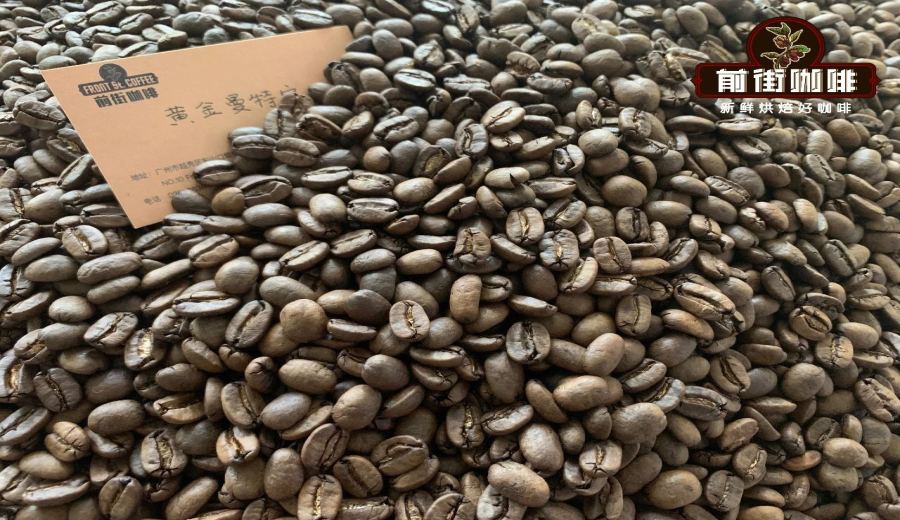
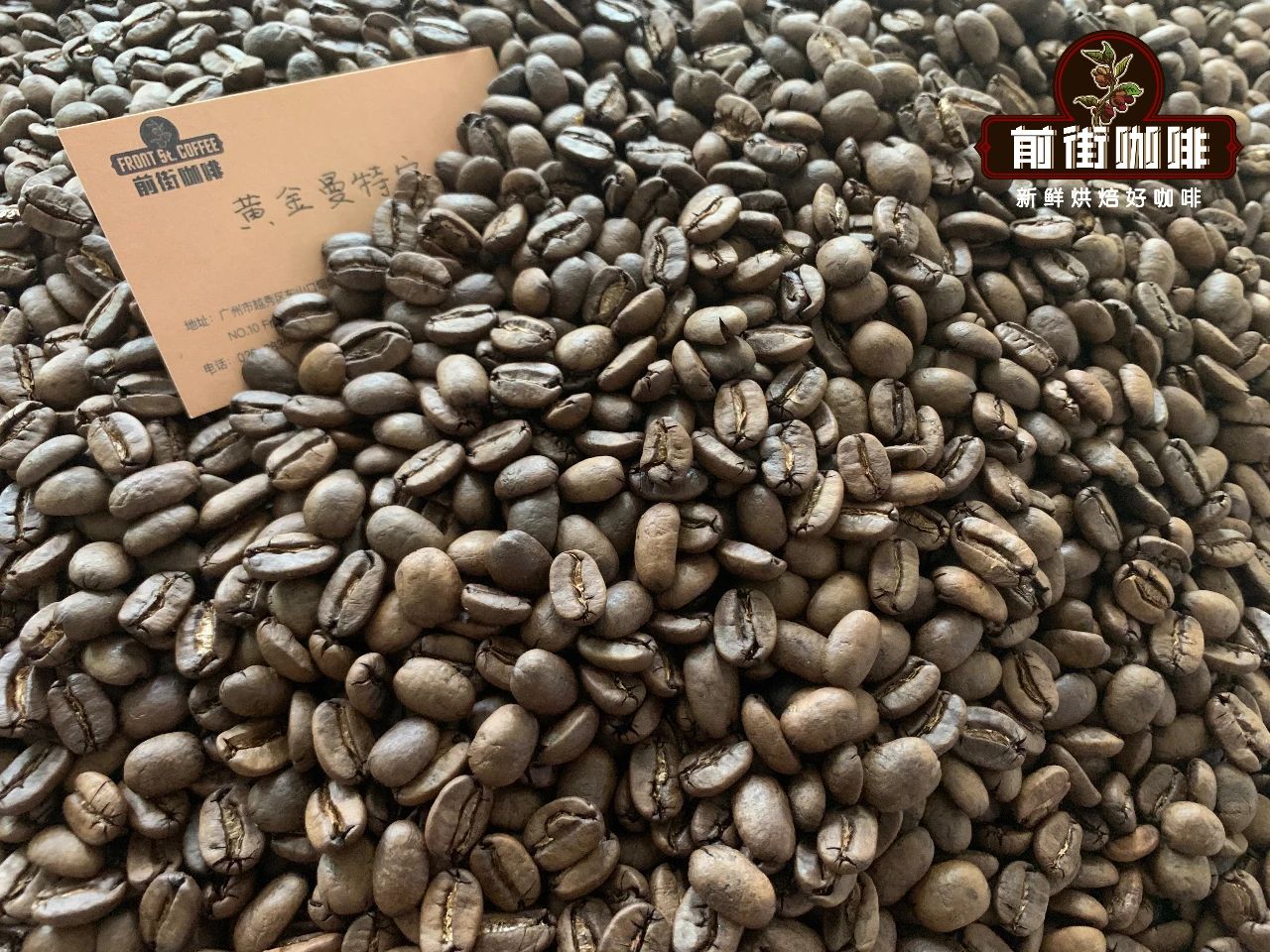
First up is a certain brand’s PWN Indonesian Golden Mandheling—a dark roast bean known for its extremely low acidity. It has a thick, layered mouthfeel. The cup presents intense black chocolate, herbal, and spicy notes, along with Mandheling’s signature woody tones and a hint of earthiness. The finish is long and stable, making it an ideal choice for those who prefer bold flavors.
The second recommendation is a certain brand’s Brazilian Queen Estate beans. These offer a classic balanced profile with almost no acidity, featuring a round and silky mouthfeel. Key flavors include nuts, cocoa, and caramel, with pronounced sweetness. Whether brewed via pour over, moka pot, or espresso machine, it delivers consistent performance—making it great for daily use.
The third pick is a certain brand’s Jamaican Blue Mountain No.1. This bean strikes a rare balance between acidity, sweetness, bitterness, and aroma. It lacks the intense fruitiness found in some African beans, nor is it as heavy as dark-roasted cups. You can taste a complex blend of cream, caramel, chocolate, nuts, and a touch of fruit—making it a classic with both sophistication and layers.
If you prefer locally grown beans, try a certain brand’s 2013 Yunnan Natural Typica. This medium-dark roasted bean has a clean and bright profile. The early notes include citrus and caramel, while the mid-to-late stages reveal warming flavors of nuts, chocolate, and brown sugar. With a medium-low acidity, it’s perfect for drinkers who enjoy cozy, warm profiles.
Finally, we recommend a certain brand’s Papua New Guinea Bird of Paradise. Dubbed the “Little Blue Mountain,” this bean uses the same Typica variety as Blue Mountain, grown at 1600–1800 meters in volcanic soil regions, and undergoes a triple-washed fermented process to meet top-grade AA standards. It offers a clean and pure cup, with low acidity and a silky texture. Sweetness is prominent, and the value is exceptional.
For full-bodied pour over coffees, here are some practical extraction tips: suggested water temperature is86-89°C—if using dark roast beans, slightly lower the temperature to avoid excessive bitterness. Grind size should bemedium-coarseto prevent over-extraction and astringency from too fine a grind. A good starting point for the coffee-to-water ratio is1:14 or 1:15—a slightly stronger brew can better highlight the full body. In addition, using a slower-flow filter such ascloth, Kono, or Kalitacan help extract a rounder, more satisfying mouthfeel.
In summary, disliking acidity isn’t a bad thing—after all, enjoying coffee is all about personal pleasure. If you especially love warm, steady flavors like nuts, chocolate, caramel, and herbs, the five beans mentioned above are all excellent choices and can serve as a great entry guide for further exploration of full-bodied pour over coffee.
The above content is compiled by CoffeeHunters, a coffee news website.


