







Introduction:The floral and fruity faction in pour over coffee is renowned for its bright acidity and rich fruit aromas, making it a popular starting point for many coffee enthusiasts. This article delves into the flavor profiles of beans from regions such as Ethiopia, Kenya, and Panama, explores the key factors influencing floral and fruity aromas, and recommends four representative floral-fruit pour over beans. It also provides practical brewing tips on water temperature, grind size, and filter choices to help you appreciate the fruity-tea-like nuances in coffee.

For those new to pour over coffee, an unexpected flavor often stands out: coffee isn’t just bitter—it can also be sweet, fragrant, and fruity like a fruit tea, even with delicate floral notes. This is the beloved floral-fruit faction of pour over coffee, whose charm lies in highlighting the unique terroir character of the beans’ origin.
Ethiopian citrus and florals, Kenyan berry tones, Panamanian Geisha’s bergamot and jasmine aromas—each floral-fruit pour over bean is like taking you on a flavor journey. These rich layers are not accidental but are shaped by the growing environment, bean variety, and roast level.
The floral and fruity acidity of coffee beans is mainly influenced by three factors. First is the origin: high-altitude regions, with large day-night temperature differences and fertile volcanic soils, help coffee cherries accumulate more fruit acids and aromatic compounds. For example, the Yirgacheffe region in Ethiopia sits at about 1,700–2,200 meters above sea level, while Kenya’s Thika region ranges between 1,550–1,750 meters. These conditions naturally give the beans there vibrant acidity and aroma.
Second is the variety: some coffee tree varieties inherently possess prominent floral and fruity profiles. Varieties like Geisha, SL28, and SL34 are genetically predisposed to express flavors such as berries, jasmine, or citrus. This is why some regions, even using similar processing methods, can still deliver distinctly different flavors due to varietal differences.
Lastly is the roast level: light roasts best preserve the beans’ original acidity and fruity traits, while dark roasts often mask floral and fruity aromas under caramelization reactions, bringing out more bitterness. Therefore, if you prefer bright and lively floral-fruit flavors, lightly roasted African beans and Panamanian Geishas are usually the better choice.
Here are four floral-fruit pour over beans worth trying. First up is the Yirgacheffe Gotiti, a bean from Ethiopia that brews up with distinct citrus, berry, and white floral notes. The cup offers a soft acidity and sweetness blending lemon, orange, and honey, with a green-tea-like clean and refreshing finish—perfect for coffee lovers just beginning to explore floral-fruit profiles.
Another highlight is the Ethiopian Huakui, which delivers a fruit-tea-like richness with clearly layered tropical fruit aromas, including strawberry, passion fruit, jackfruit, and lychee. It has a pronounced sweetness, smooth mouthfeel, and strong juiciness, with almost no bitterness—ideal for those who enjoy bold fruitiness and a lower-acidity experience.
If you prefer bright acidity, the Kenyan Little Tomato is a great representative. Made from the local classic SL28 and SL34 varieties and processed with a 72-hour double anaerobic fermentation method, it gives off notes of dried tomato and flowers in the dry aroma. In the cup, you’ll find clear flavors of cherry tomato and dark plum, with lively and layered acidity and an overall clean, crisp profile.
The final recommendation is the Panama Finca Esmeralda Red Label Geisha, a classic in the floral-fruit faction. This bean displays extremely elegant jasmine floral notes, accompanied by citrus, bergamot, and subtle black tea-like flavors. It has a clean, transparent mouthfeel and a long-lasting aftertaste, making it the top choice for those seeking a premium flavor experience.
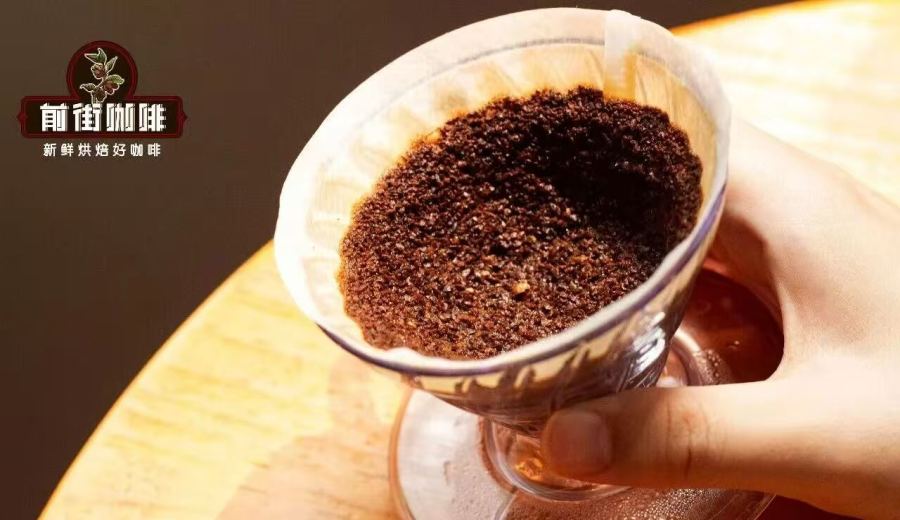
When brewing floral-fruit beans, it is recommended to use water at around 90–93°C. Too low a temperature may fail to fully extract the aromas, while too high a temperature can easily over-extract bitter compounds. A medium-fine grind, similar to sugar granules, and a 1:15 powder-to-water ratio are ideal; if you prefer a crisper taste, you can adjust to 1:16. Additionally, using fast-flow filters like V60 or Origami helps highlight the clean layers and delicate nuances of floral-fruit aromas.
The floral-fruit faction of pour over coffee is perhaps the most direct way to experience a coffee’s “origin personality.” If you’re drawn to bright acidity, fresh floral-fruit notes, and a juice-like mouthfeel, start with the four beans above and begin exploring your own coffee flavor map.
The above content is compiled by CoffeeHunters, a coffee news website.


