







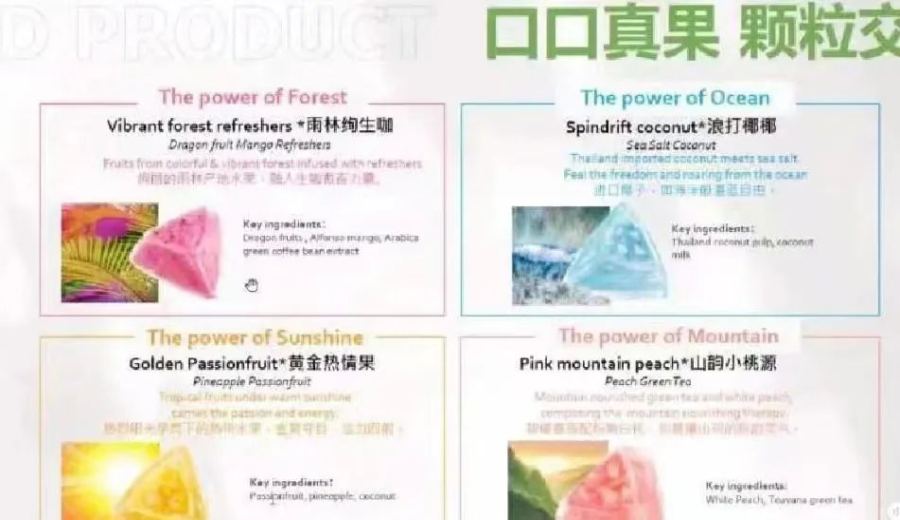
Introduction:Starbucks’ annual limited-edition Ice Cream Zongzi is set to make a comeback this year, continuing its classic eight-piece packaging design while introducing four brand-new flavors. Among them, the sky-blue "Wave-Splashed Coconut" has sparked heated discussions with its vibrant color scheme, and the series’ bold shift toward fruity profiles is being regarded as the closest to traditional tastes in recent years. This article takes an in-depth look at the visual design, flavor formulations, and marketing strategies of this year’s Ice Cream Zongzi, uncovering the business logic behind this polarizing dessert.
Shortly after the Qingming holiday ended, Starbucks immediately launched a new round of store promotions. Unlike past collaboration-based marketing campaigns, this time it’s their annual flagship product—often jokingly referred to as "zongzi-like but not quite zongzi"—the Ice Cream Zongzi. This uniquely distinctive dessert in the Chinese zongzi market, thanks toits fixed annual format of eight pieces in four flavors, continues to elicit strongly divided reactions from consumers.
According to reliable sources, the 2025 edition of the Ice Cream Zongzi will maintainits eight-piece setdesign, but with a fully upgraded visual presentation. The crystal-clear outer shell encases brightly colored fillings, and the overall appearance, as seen in photos circulating on social media, resembles mini rainbow candies. The most eye-catching of all is the one in the upper right corner—the sky-blue "Wave-Splashed Coconut"—with product promotions emphasizing the use of imported coconut ingredients and a flavor described as "as blue and free as the ocean." However, the rarity of this color tone in the food industry has sparked intense online debates.
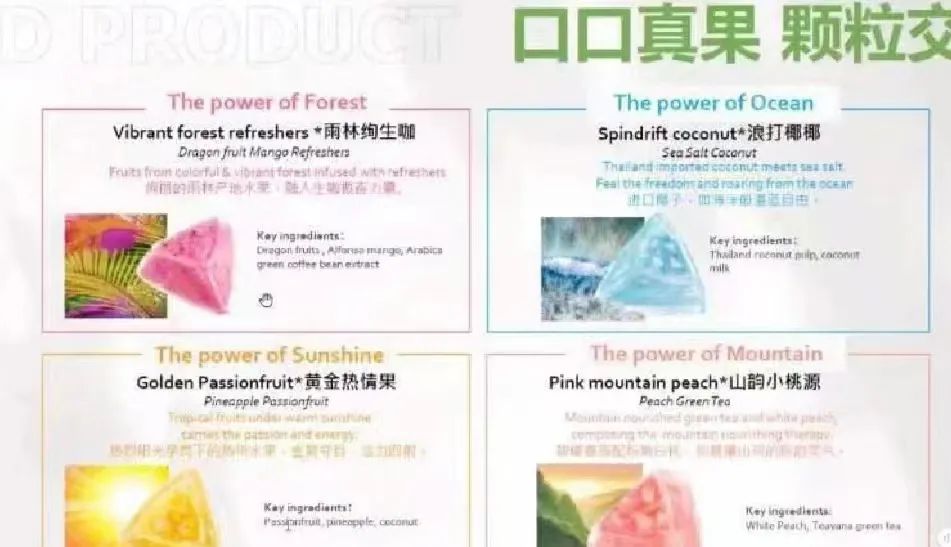
Research in color psychology shows that humans’ innate wariness of blue-colored foods stems from evolutionary mechanisms. Although the ingredients clearly state the use offood-grade coloring agents that meet standards, many consumers have expressed: "The brightness is simply too much to put in my mouth." Compared to previous years’ experimental flavors (such as the ice cream chocolate hybrid), this year’s four new productsuniversally adopt a fruit-flavored base, featuring common tropical fruit elements like mango and peach, which netizens have praised as "the closest attempt to normal dietary aesthetics in Ice Cream Zongzi history."
Market observers point out that Starbucks has historically maintained Ice Cream Zongzi sales throughan in-store staff-driven promotion strategy. Last year’s complimentary tote bags, which combined practicality with stylish design, achieved remarkable sales success by "selling zongzi through the bag"—store teams even demonstrated braiding and decorating techniques on-site, transforming ordinary shopping bags into viral accessories. This year, the industry is widely watching whether the official team will continue suchvalue-added gift strategies, especially as taste-related controversies persist, making packaging added value a key purchasing incentive.
Professional pastry chefs suggest paying attention to the following when trying such innovative desserts:First, observe the layering of the filling, as the Ice Cream Zongzi’s transparent shell clearly showcases the distribution of internal ingredients;it is recommended to pair it with black coffee, which can effectively neutralize the sweetness and highlight the layered fruit flavors. For consumers who remain hesitant, consider purchasing a single-piece trial pack (if available at the store) to reduce decision-making risk.
The above content is compiled by CoffeeHunters, a coffee news website.


