







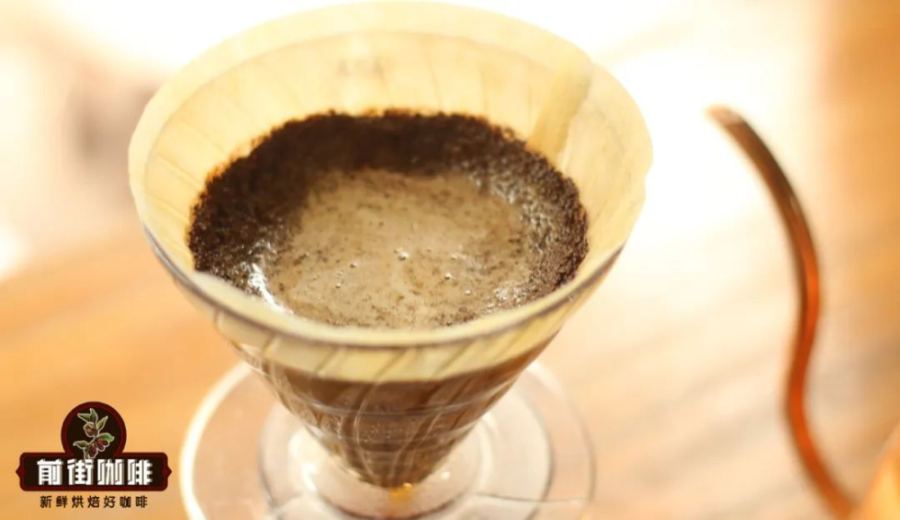
Introduction:During the pour over process, if you notice that the liquid in the filter suddenly becomes clear and transparent, it may indicate potential extraction issues. This phenomenon is commonly caused by fine particles clogging the filter paper or the coffee beans not being fresh enough. This article will delve into the reasons behind the transparency of the liquid, covering grind size, pouring technique, filter design, and bean freshness, and provide battle-tested adjustment suggestions to help you master the key to extracting light roast beans accurately and avoid over-extracted flavors.
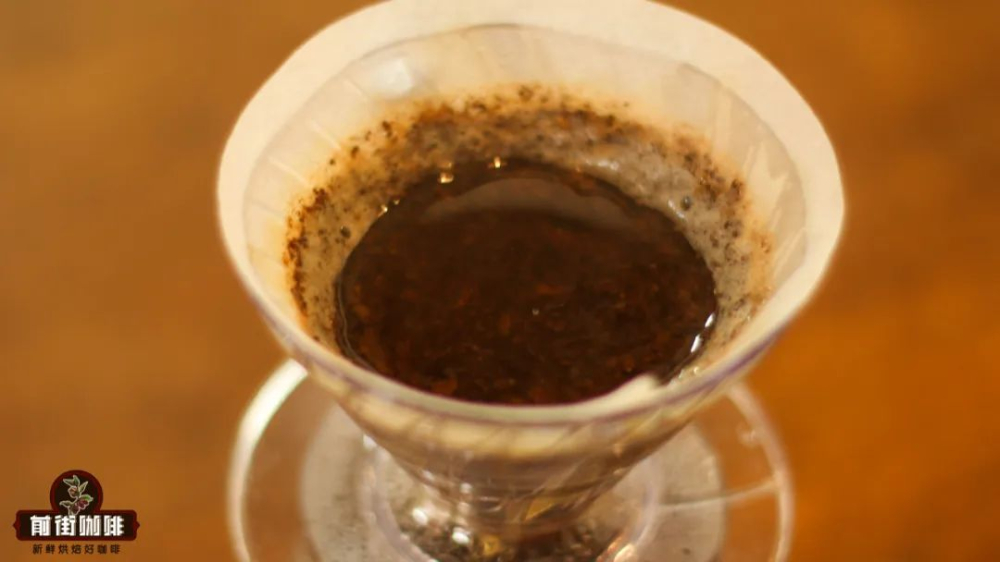
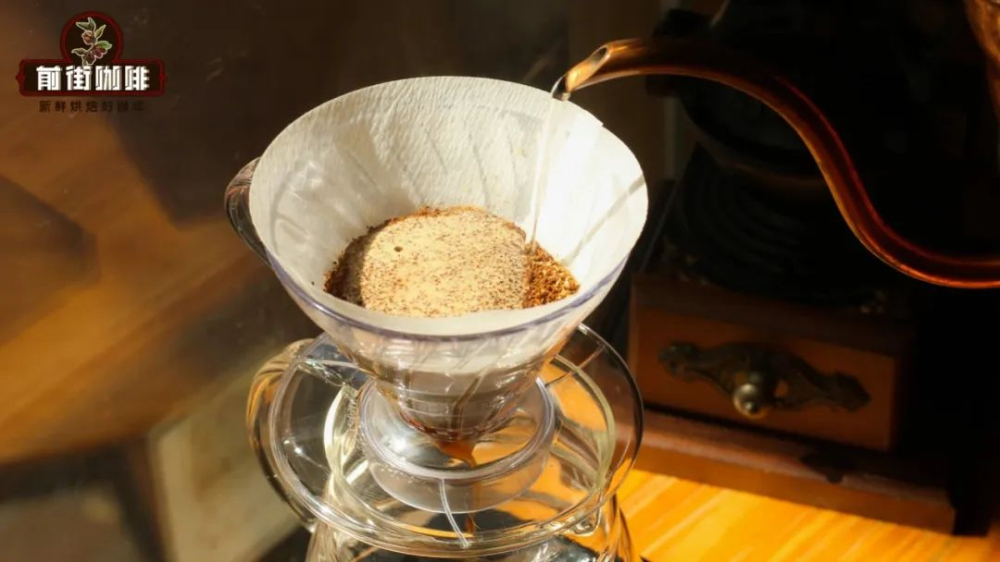
During the pour over process, when you observe that the coffee liquid in the filter suddenly turns extremely clear, with almost no visible fine particles or bubbles floating, this is not normal. Usually, this indicates a problem with the structure of the coffee bed—it could be due to excessive fine particles clogging the filter paper holes, or the coffee beans may have been stored for too long, with their internal carbon dioxide fully depleted. Both scenarios prolong the extraction time, thereby affecting the flavor of the coffee and often resulting in a final cup that is overly bitter or over-extracted.
This “clearing” of the liquid often occurs during the extraction of light roast beans. Due to the density and structural characteristics of light roasts, they require more delicate handling. Next, we’ll explore the possible causes of the liquid turning transparent from four key aspects—grind size, pouring technique, filter design, and coffee bean freshness—and offer practical solutions to help you stabilize your brewing quality.
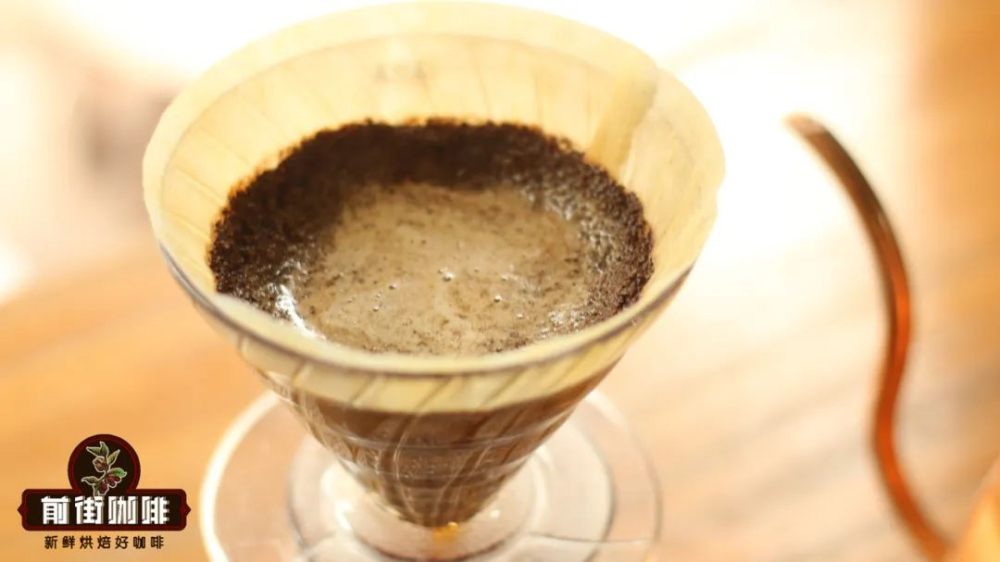
First, the most obvious abnormality is that the coffee liquid looks extremely clear, almost like pure water, with no suspended fine particles, bubbles, or color changes. Most experienced coffee enthusiasts can immediately tell—this likely means the filter is clogged. When too many fine particles accumulate, or the coffee bed fails to agitate effectively, bubbles stop forming, and the liquid becomes unusually transparent. At this point, the extraction process has deviated from optimal conditions, and the resulting coffee is likely to be over-extracted, with noticeable bitterness and astringency.
So, how can we improve this situation? Adjustments in the following aspects are crucial.
1. Adjusting Grind Size
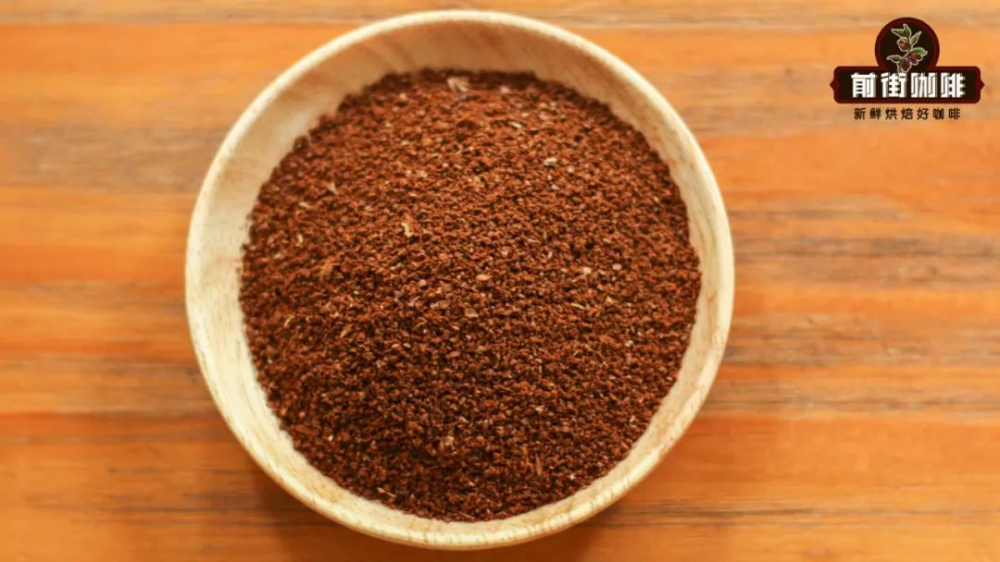
The issue of fine particles clogging the filter is especially common when using light roast beans. To extract sufficient flavor compounds from light roasts, which generally have lower extraction yields, many brewers opt to grind finer. However, this also leads to the production of a large amount of fine particles. In fact, no matter what grinder you use, the ground coffee will always contain a certain proportion of fines, and the lower the precision of the burrs, the more fines are produced.
Excessive fines can easily block the pores of the filter paper, slowing down the water flow and extending the overall extraction time, thereby increasing the risk of over-extraction. To address this, it is recommended to moderately adjust the grind size coarser—for example, setting the grinder to 10 on the scale (approximately equivalent to 75% extraction through a 20-mesh sieve), while slightly increasing the water temperature to 90°C to 92°C to compensate for any potential under-extraction caused by the coarser grind. Practical experience has shown that such a parameter combination offers a larger margin for error and can balance extraction efficiency with stable flow rate.
Of course, if you prefer not to change the grind size, another simple and effective method is to use a sieve to pre-filter out excess fine particles, which helps reduce the likelihood of filter clogging.
2. Optimizing Pouring Water Flow and Technique
Light roast beans have a denser and more compact fiber structure, and after absorbing water, they tend to settle at the bottom of the filter. If the water flow during pouring lacks sufficient penetration, it won’t effectively agitate the settled coffee bed at the bottom, causing it to accumulate further and potentially leading to clogging. Therefore, when brewing light roast beans, it is recommended to moderately increase the speed and force of the water flow, ensuring the water stream has enough penetration to stir up the settled coffee layer, reducing the chances of localized over-extraction and clogging.
3. The Influence of Filter Design
Different filter designs directly affect the flow rate and extraction efficiency of the coffee liquid. Taking common conical filters as an example, the performance of V60 and Kono can vary greatly. Even with the same grind size and pouring technique, the extraction completion times may differ significantly. For instance, the Kono filter, due to its smaller holes and lack of flow-guiding ridges, results in a relatively slower flow rate and is more prone to clogging.
Therefore, when using a slower-flow filter (such as Kono) to brew light roast beans, it is recommended to simultaneously adjust the grind size (make it coarser) or modify the pouring technique to reduce the likelihood of clogging. Choosing a filter that suits the characteristics of the coffee beans is also a key step in stabilizing extraction.
4. Coffee Bean Freshness
In addition to the technical factors mentioned above, there is another often overlooked element: the freshness of the coffee beans. When coffee beans are stored for more than two months, the residual carbon dioxide inside gradually dissipates. This not only leads to noticeably less foam during brewing but also makes the liquid appear clearer and more transparent. Moreover, while older beans may release soluble compounds more easily, they also tend to release more undesirable flavor impurities.
Therefore, if you’re using coffee beans that have been stored for a while, it’s advisable to adjust your brewing strategy accordingly: you can lower the water temperature, use a coarser grind, or shorten the extraction time to avoid extracting too many undesirable substances, which could negatively impact the final coffee taste.
In summary, if you notice that the liquid in your pour over filter has become unusually clear, don’t panic—but do stay alert. This could be a signal caused by fine particle clogging, improper pouring, an unsuitable filter choice, or insufficiently fresh coffee beans. By systematically examining your grind size, technique, equipment, and the state of the beans, you’ll be able to more precisely control each brew and present a more balanced and layered coffee flavor.
The above content is compiled by CoffeeHunters, a coffee news website.


