







Introduction:This year, the dengue fever epidemic in the Americas has rapidly intensified, with the number of cases already three times that of the same period last year and the death toll exceeding one thousand. As major coffee-producing regions such as Brazil and Guatemala are about to enter the harvest season, the issue of labor shortages is becoming increasingly prominent. This article provides an in-depth analysis of the latest developments and main causes of the epidemic, and explores its potential impact on the global coffee supply chain, helping readers stay updated on regional developments and industry risks.
Since the beginning of this year, multiple countries in the Americas have been hit by an unusually severe dengue fever outbreak. According to data from the Pan American Health Organization (PAHO), the number of dengue cases in the first three months of this year has surged to three times that of the same period last year, with the cumulative death toll exceeding one thousand. Among them, Brazil, Paraguay, and Argentina are the most severely affected countries, while cases in Guatemala, Costa Rica, and Mexico also continue to rise.
Official statistics from PAHO indicate that as of March 16 this year, the total number of dengue cases in the Americas has reached three times that of the same period last year, with the death toll surpassing one thousand. In Brazil alone, the total number of reported dengue cases (including suspected cases) has accumulated to approximately 2.32 million, with around 55,000 new cases reported daily and 758 deaths. In Guatemala, more than 6,760 infections have been reported, including 31 severe cases and 3 fatalities. Overall, the number of confirmed dengue infections in the Americas has exceeded 3.5 million, with the death toll surpassing 1,000.
The reasons for the worsening epidemic are diverse, but environmental changes are one of the main driving factors. The PAHO Director emphasized that in the first few months of this year, various parts of the Americas have experienced extreme weather conditions such as high temperatures, heatwaves, droughts, and heavy rains. These climatic conditions are highly conducive to the massive breeding of mosquitoes, thereby increasing the risk of dengue transmission. Since dengue vaccines are still in the early stages of development and supplies are very limited, eliminating mosquito breeding sites has become the most practical and effective preventive measure.
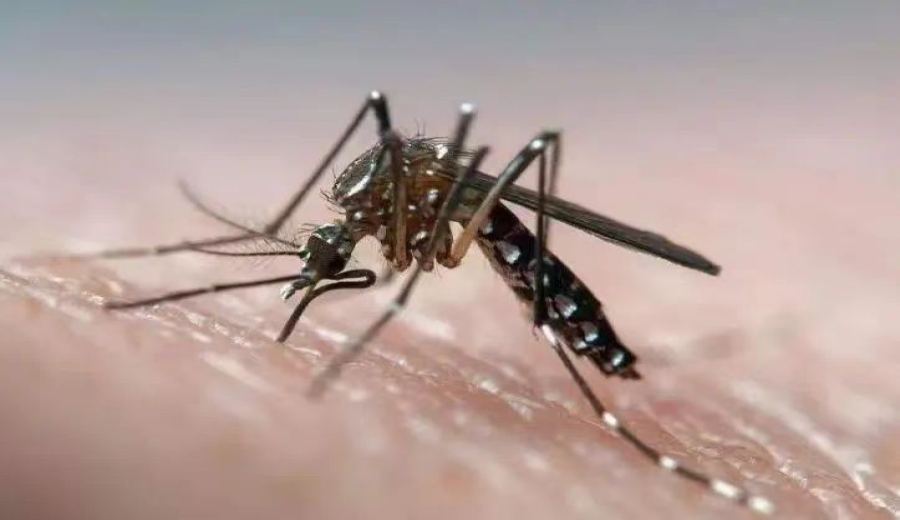
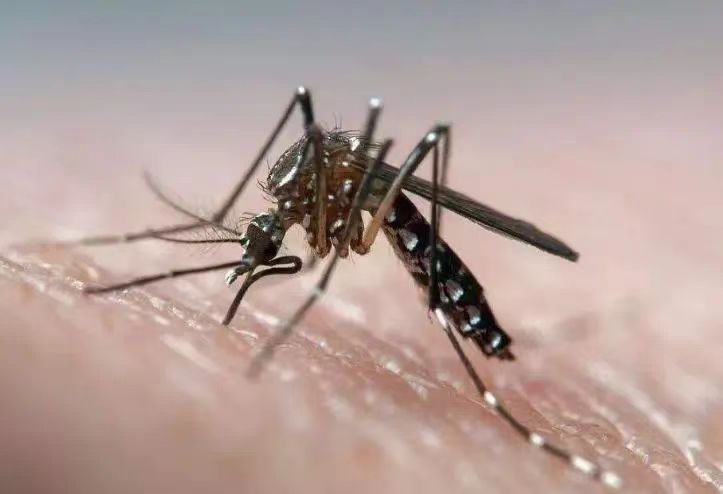
Dengue fever is an acute mosquito-borne infectious disease caused by the dengue virus, primarily transmitted by Aedes aegypti and Aedes albopictus mosquitoes. Typical symptoms include persistent high fever, severe headache, and muscle and joint pain, which can even be life-threatening in serious cases. Currently, public and private hospitals in many countries are overwhelmed by the outbreak, with widespread shortages of beds and medical resources.
Notably, major coffee-producing regions such as Brazil and Guatemala are about to enter the new harvest season for coffee cherries in April. However, due to the impact of the epidemic, many planting areas are already facing concerns about a shortage of harvesting workers. Especially during the recent Easter and Holy Week holidays, labor mobility has decreased, making workforce scheduling even more difficult. A local coffee farmer admitted that as the harvest season approaches, it is still difficult to find enough pickers, which could directly affect this year’s coffee yield and quality.
In response to the escalating epidemic, some severely affected areas have declared a public health emergency to facilitate rapid resource mobilization and strengthened preventive measures. Meanwhile, the Chinese Consulate in Brazil has also issued a special notice, urging Chinese citizens in the country to closely monitor official epidemic information, regularly use mosquito repellent when going out, and avoid staying in mosquito-dense environments for extended periods to reduce the risk of infection.
Overall, the spread of this dengue fever epidemic not only poses a serious challenge to the public health systems in the Americas but may also bring short-term disruptions to the global coffee supply chain, especially during the harvest season when labor is most critical. Industry insiders suggest that monitoring epidemic developments and labor conditions in major producing regions can help anticipate market supply-demand changes and price fluctuation risks in advance.
The above content is compiled by CoffeeHunters, a coffee news website.


