







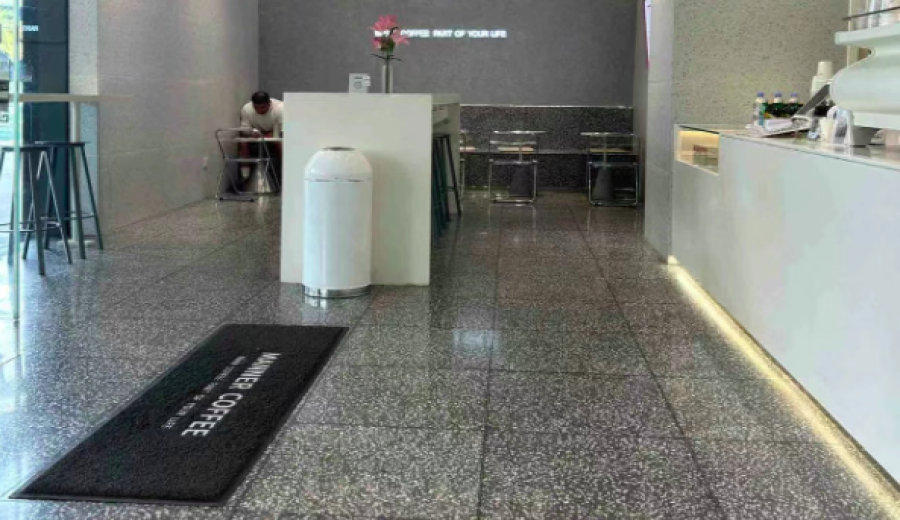
Introduction:Manner Coffee is known for its minimalist white design, but recently, multiple outlets have been reported for having visibly stained tables and chairs and inadequate hygiene maintenance. The single-staff operation model has further strained cleaning efforts. This article delves into how white decor can amplify visual hygiene issues, analyzes the impact of single-person operations on customer service, and offers practical advice for consumers to assess store environments—helping you balance efficient service with a pleasant dining experience.
With its minimalist white-themed design, Manner Coffee has become a topic of consumer discussion in recent years due to the cleanliness of its outlets. Some customers have shared that upon entering certain Manner stores, they found dust and straw wrappers scattered on the floor, leftover trash from previous customers on the tables, and white leather seats showing obvious wear marks from prolonged use, almost as if they had developed a “patina,” which detracted from the overall dining experience.
The customer further noted that at the time, there was only one staff member behind the counter focused entirely on processing orders, with no time to attend to the cleanliness of the seating area, resulting in ongoing environmental disarray that wasn’t promptly addressed. Such situations are not isolated incidents—users of Manner outlets in multiple cities have reported similar hygiene conditions, with some customers even choosing to take their orders to go to avoid lingering.
The Double-Edged Sword of White Design
Industry analysts point out that while Manner’s predominantly white visual style creates an impression of cleanliness and brightness, it also makes stains and usage marks more noticeable. Accumulated wear on tables and chairs, set against a pure white backdrop, can easily be misinterpreted as poor cleaning standards, thereby affecting consumers’ perception of the brand’s hygiene management.
Operational Challenges of the Single-Staff Model
Notably, most Manner outlets adopt a single-staff counter operation model, where employees must handle both order preparation and customer service simultaneously, making it difficult to attend to the dining area. Loyal users explain that under this model, staff prioritize ensuring order efficiency, and cleaning the seating area often relies on customer self-discipline or staff availability during gaps, leading to delays in hygiene management.
The customer who posted the original message emphasized that their intention was not to blame individual staff members, but to encourage the brand to acknowledge the impact of single-person operations on the overall store image. When employees are busy focusing on quick order fulfillment, it becomes challenging to attend to environmental details, which may erode consumer trust over time.
Industry observers note that consumers’ expectations for dining environments are rising, with some placing importance on the newness of utensils and even extending that to the cleanliness of tables and chairs. How to maintain efficient service while balancing hygiene management and service quality has become a key issue for chain coffee brands during their expansion.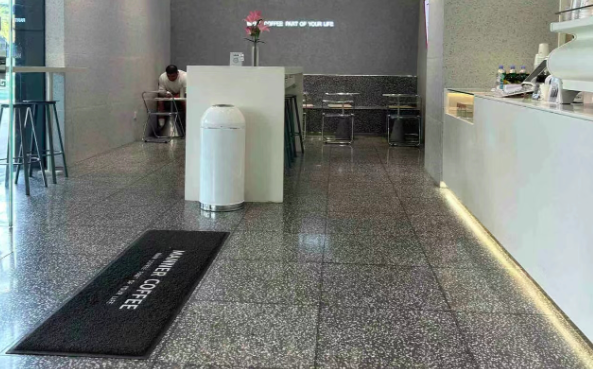
Experts suggest that when choosing an outlet, consumers can observe details such as the frequency of table and chair cleaning and the speed of trash removal as reference indicators for assessing hygiene management. Brands, on the other hand, need to evaluate the impact of current staffing levels on environmental upkeep and seek the optimal balance between operational efficiency and customer experience.
The above content is compiled by CoffeeHunters, a coffee news website.


