







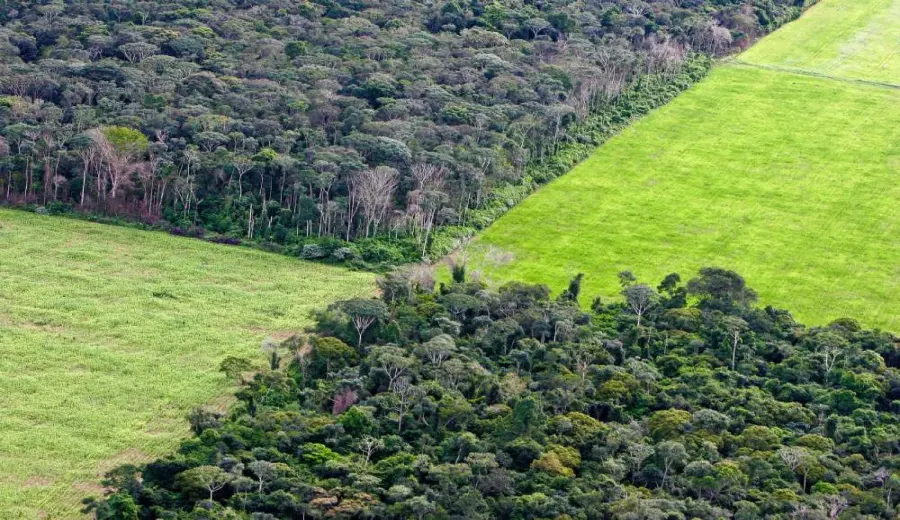
Introduction:The European Union’s deforestation regulation (EUDR), originally slated for implementation by the end of 2024, will be postponed and replaced with a “country risk classification” management system. This regulation requires all imported products to prove they are not linked to deforestation after December 31, 2020, and has profound implications for major coffee-producing countries such as Vietnam and Brazil. This article details the new classification logic, industry feedback, and the potential cost and compliance challenges facing the coffee supply chain.
The EU recently announced that it will postpone the implementation of the “Deforestation Regulation (EUDR)” originally scheduled to take effect on December 31, 2024, and will instead manage exporting countries under a “country risk classification” system, giving producers and traders more time to adjust. The core requirement of this regulation is that traders must provide proof ensuring their product supply chains are not associated with deforestation after December 30, 2020. Those who fail to comply may be denied entry into the EU market.
Notably, the coffee industry, due to its close association with the expansion of agricultural land, has become a key focus of this regulation. Agricultural activities (including coffee cultivation) have been identified by experts as the leading cause of global deforestation, accounting for approximately 75% — clearing forests for farmland or pasture not only exacerbates soil erosion but also releases large amounts of carbon dioxide, intensifying climate change. Therefore, the EU introduced the EUDR with the goal of preventing products linked to deforestation from entering the market.
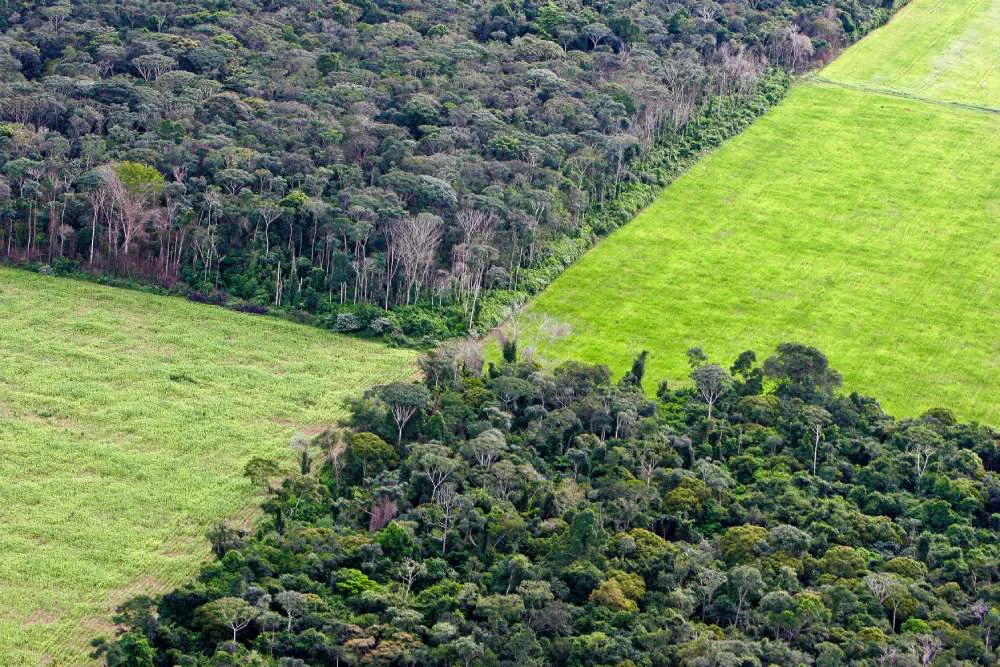
After the regulation was announced, major coffee-exporting countries such as Vietnam, Brazil, Indonesia, and Colombia were the first to be affected. These countries rely on the EU market, but the new rules are stringent, and many producers struggle to immediately adapt their supply chain traceability systems, which could lead to a significant rise in export costs. Previously, the “European Coffee Federation (ECF),” including well-known brands such as Nestlé, Starbucks, and Peet’s, had written to the European Commission calling for a delay in implementation.
Currently, the EU is discussing categorizing exporting countries into three risk levels: low risk, standard risk, and high risk. High-risk countries (such as those with more severe deforestation issues) will face more frequent and rigorous document reviews and on-site audits; low-risk countries will enjoy a more lenient compliance process. This grading mechanism aims to flexibly adjust the intensity of checks and allow producers in different countries more time to adapt.
However, the industry has raised concerns about the grading system. Some observers point out that even countries classified as high risk may still have exporters who strictly comply with the regulations, but traders or roasters may refuse to work with them to avoid complications, resulting in a “guilt by association” effect. In addition, small-scale farms, lacking the resources to establish complete supply chain data systems, may struggle to meet compliance thresholds and thus lose opportunities to participate in the EU market.
Another challenge lies in disparities in enforcement resources. The grading system requires both exporting and importing country governments to strengthen inspection and enforcement mechanisms, but many developing countries in Africa, Asia, and elsewhere still lag behind EU standards in terms of technology and manpower, which may affect the overall efficiency of the system’s implementation.
Although in the short term, producing countries will need to invest additional costs to improve supply chain transparency, and EU consumers may also face fluctuations in coffee prices, in the long run, this regulation helps drive the global coffee industry toward more sustainable production models. For companies that already have robust environmental management systems in place, complying with the EUDR is not only a regulatory requirement but also a key opportunity to enhance brand reputation and market competitiveness.
The above content is compiled by CoffeeHunters, a coffee news website.


