







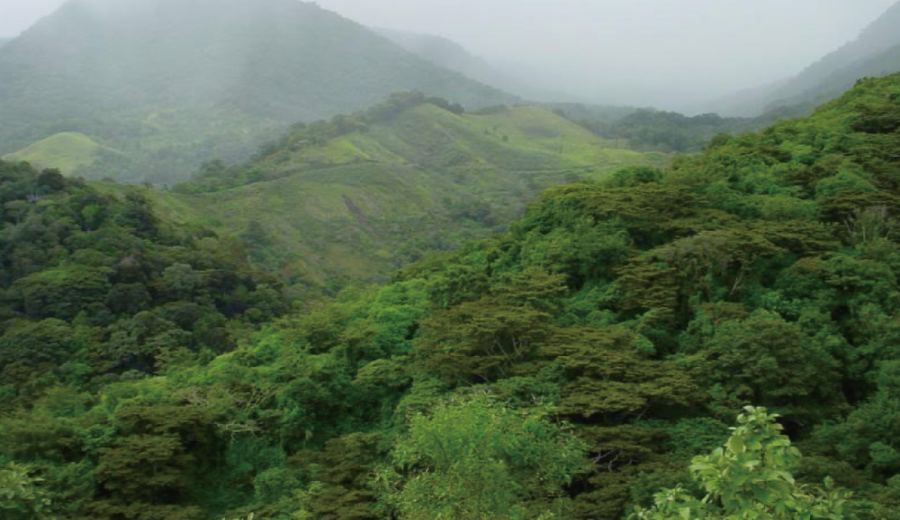
Introduction:Delve into how Panama’s Boquete region nurtures some of the world’s finest coffees, from the rise of the Geisha variety to the critical roles of volcanic soil and microclimates. This article explains Boquete’s exceptional growing conditions in detail, introduces the composition and flavor profile of the Flower Butterfly blend, and offers practical pour over recommendations and parameters to help you fully appreciate the charm of this popular specialty coffee.
Panamanian coffee has long held an important place in the global specialty coffee market. In particular, the Geisha variety shot to fame after winning first prize at the Best of Panama (BOP) competition in 2005 and being sold at a high price. Once considered a niche coffee, it has now become a sought-after delicacy among premium coffee enthusiasts. Panama’s unique geography and natural environment—especially the Boquete region—provide ideal conditions for cultivating high-quality coffee.
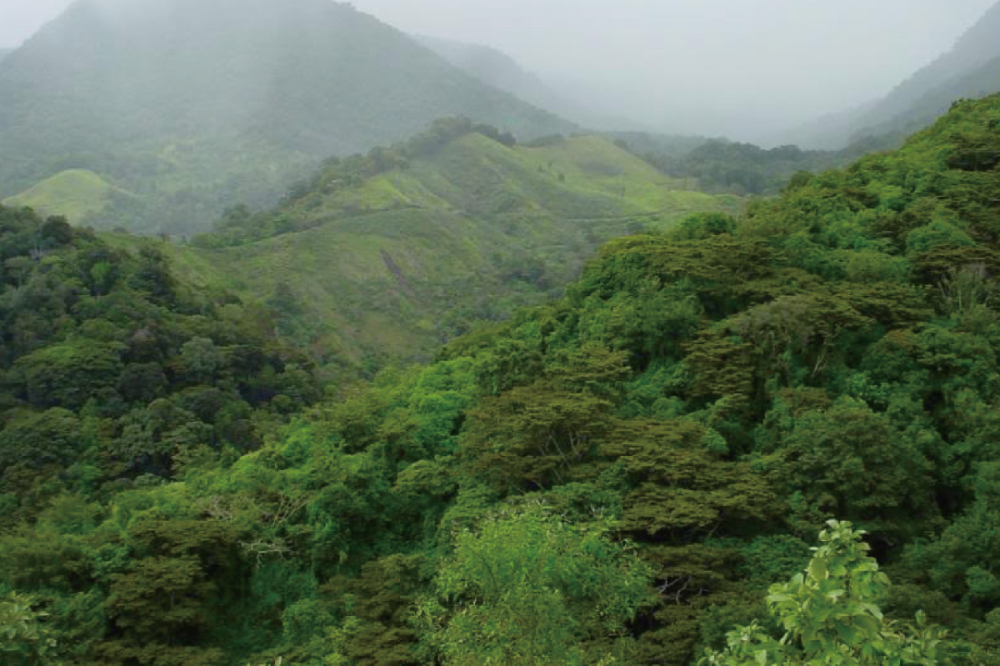
Located in the Central American isthmus, Panama borders Colombia and Costa Rica, faces the Caribbean Sea to the north and the Pacific Ocean to the south. Its terrain is predominantly mountainous, with a tropical maritime climate influenced by the equator. The region sees significant day-night temperature variations, generally divided into dry and rainy seasons throughout the year, with an average annual rainfall of 1500 to 2500 millimeters. Coupled with high-altitude mountain areas and abundant water sources, it’s an ideal place for coffee cultivation. The Chiriquí province features active volcanic landforms, and its volcanic ash soil is rich in minerals, providing essential nutrients for coffee growth.
Among the various regions, Boquete is one of the most representative specialty coffee-producing areas. Adjacent to the Volcán Baru, Panama’s highest volcano, the area enjoys diverse microclimates. Coffee in Boquete is typically grown at elevations between 1200 and 2000 meters, with day-night temperature differences of over 16 degrees. These conditions help coffee cherries ripen slowly, accumulating richer flavor compounds. In addition to Geisha, many renowned farms such as Hacienda La Esmeralda, Elida Estate, and Don Pachi are located here, further enhancing Boquete’s reputation in the global specialty coffee scene.
When discussing Panamanian coffee, one cannot overlook the rise of the Geisha variety. Originally a native Ethiopian cultivar, Geisha was introduced to Panama in the 1970s. Due to its demanding growing conditions and relatively low yield, it received little attention and was often interplanted with mainstream local varieties such as Caturra and Catuaí. It wasn’t until 2004, when Hacienda La Esmeralda stumbled upon its unique aroma and complex layers during a cupping session, that it gained widespread recognition after entering the BOP competition the following year. Since then, Geisha has gradually emerged as a symbol of specialty coffee, prompting farms to begin cultivating and harvesting it separately—giving rise to today’s Geisha legend.
Currently, there are several Geisha-inspired blended coffees on the market, among which two single-origin offerings from a certain brand have garnered significant attention. The Strawberry Candy blend hails from Costa Rica’s Miramar Estate, combining Geisha with ET47, SL28, Maico, and other varieties to showcase a diverse range of flavors. Meanwhile, the Flower Butterfly blend is sourced from Panama’s Boquete region and is70% Geisha, blended with Caturra and Catuaí to present a classic Panamanian flavor profile.
A certain brand’s Boquete Flower Butterfly coffee beans are processed usingthe washed method,grown at altitudes of 1400–1700 meters, medium-light roasted, and express flavors that start with white floral notes, followed by bright acidity reminiscent of lemon, accompanied by sweet sensations of berries and grapes. The finish delivers a smooth texture akin to honey, with a gentle hazelnut aftertaste. Roasted at a medium-light level, these beans fully exhibit the floral and fruity characteristics unique to the Geisha variety, making them well-suited for coffee lovers who prefer a refreshing flavor profile.
If you’d like to brew Flower Butterfly coffee at home using pour over, we recommend using a V60 dripper witha 1:15 coffee-to-water ratio, water temperature controlled at around92°C, and a grind size between medium-fine and fine (similar to superfine sugar or finer). The total brewing time should be approximately 2 to 2.5 minutes. These parameters help balance acidity and sweetness, making floral and fruity notes more pronounced. Pay attention to maintaining a stable water flow and use a staged pouring technique to ensure even flavor extraction and avoid over-extraction or excessive acidity.
In summary, Panama’s Boquete region, with its exceptional natural conditions, serves as a cradle for top-tier varieties like Geisha. Whether it’s a single-origin Geisha or a thoughtfully crafted blend like Flower Butterfly, both showcase the depth and refinement potential of Panamanian coffee. If you’re a pour over enthusiast, understanding these regions and processing methods will help you uncover more layers of enjoyment in the coffee tasting and brewing process.
The above content is compiled by CoffeeHunters, a coffee news website.


