







Introduction:Vietnamese coffee prices have been rising steadily recently, with significant increases in the purchase prices of Robusta beans from the Central Highlands, while international futures markets have also shown volatility. At the same time, the Red Sea shipping crisis has intensified, which may further drive up costs. This article provides an in-depth analysis of the current state of Vietnam’s coffee market, regional price changes, and explores the potential of the Italian market along with shipping risks to help readers stay updated on the latest developments in the coffee industry.
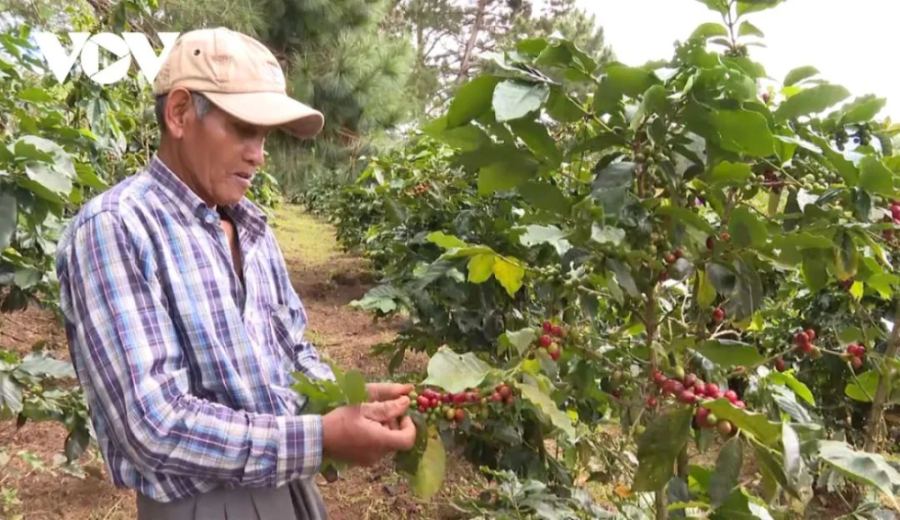
The Vietnamese coffee market has been heating up lately, with notable price hikes in the purchase prices of Robusta coffee from the Central Highlands, the main producing region. Prices have generally risen by 1,300 to 1,400 VND per kilogram. Currently, the transaction price for drum-packed coffee beans locally has reached 92,400 to 93,200 VND per kilogram, indicating strong market demand.
Looking at the international futures market, the May 2024 delivery price for Robusta coffee futures climbed to $3,450 per ton, while Arabica coffee futures prices saw a slight decline to 182.95 US cents per pound. Notably, even as Arabica prices fell, the price of Robusta coffee in Vietnam continued to rise, with drum-packed beans reaching as high as 93,200 VND per kilogram.
Among the several major producing regions in the Central Highlands, reported prices vary slightly by area. In particular, prices in Lâm Đồng Province remain relatively lower at 92,400 VND per kilogram but have still increased by 1,400 VND compared to before; Đắk Nông Province is reporting 93,200 VND per kilogram, up by 1,300 VND. As for Gia Lai, Kon Tum, and Đắk Lắk Provinces, prices are uniformly set at 93,000 VND per kilogram, with increases ranging from 1,300 to 1,400 VND.
Experts analyze that this round of price increases is mainly due to tightening supplies of Robusta coffee in Vietnam. Many traders, concerned about future supply shortages, have increased purchases to ensure stable inventory levels. At the same time, some coffee farmers previously opted to withhold sales, leading to reduced market circulation. To fulfill contracts, traders have had to step up procurement, further pushing prices upward.
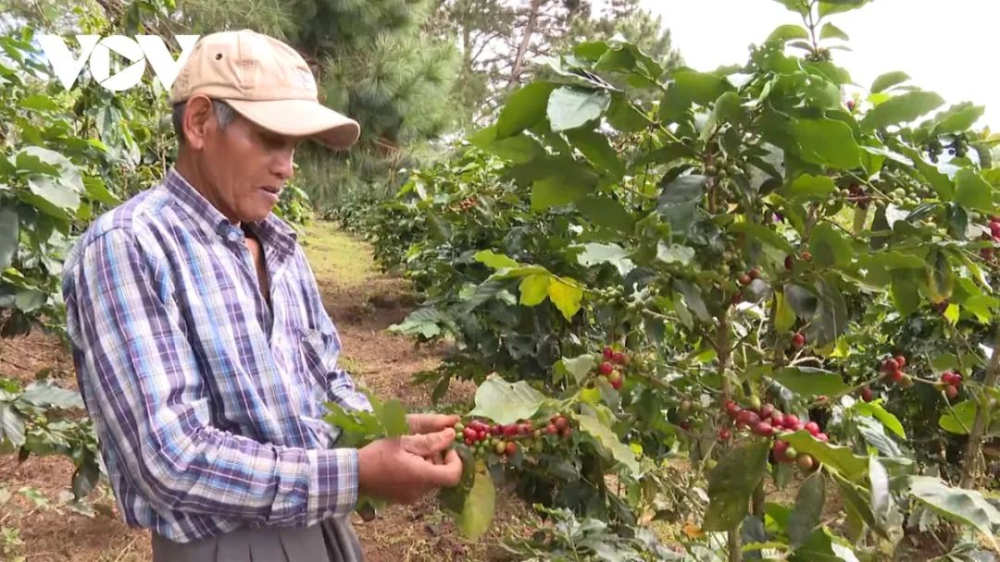
Despite the high prices, Vietnamese coffee exporters have high hopes for the Italian market. According to data from Eurostat, in 2023 Italy imported a total of 6.2461 million tons of coffee from non-EU countries, valued at approximately €1.94 billion (around $2.1 billion). Although this represents a 4.2% decrease from 2022, overall market demand continues to grow.
Market forecasts indicate that Italy’s coffee consumption will see an average annual growth rate of 3.35% between 2024 and 2029. More importantly, Robusta coffee holds an overwhelmingly dominant market share in Italy, reaching 56% in 2023. This presents huge business opportunities for Vietnamese exporters, especially since Robusta is Vietnam’s main coffee variety.
However, the global coffee supply chain is currently facing another challenge—the Red Sea shipping crisis. Since November last year, attacks by the Houthi militants in the Red Sea and the Strait of Mandeb have frequently occurred, forcing most shipping companies to reroute around the Cape of Good Hope at the southern tip of Africa. This has not only extended transportation times but also significantly increased shipping costs.
Even more concerning is the recent claim by Houthi militants that they will expand their attack range, targeting not only the Arabian Sea, the Red Sea, and the Gulf of Aden, but also threatening to disrupt ships traveling through the Indian Ocean en route to the Cape of Good Hope. Although the group claims that its targets are only ships related to Israel and the United States, this move undoubtedly makes the overall shipping environment even more perilous and brings greater uncertainty for major coffee-exporting countries such as Vietnam.
The above content is compiled by CoffeeHunters, a coffee news website.


