







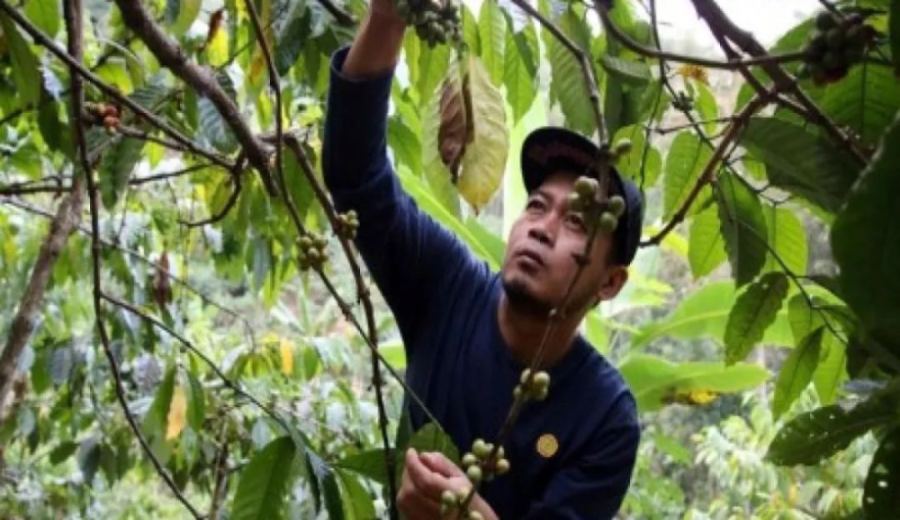
Introduction:The El Niño phenomenon continues to intensify, exerting significant impacts on major global coffee-producing regions. Robusta-producing areas in Southeast Asia are grappling with sharply reduced yields and soaring prices due to high temperatures and drought, while Arabica-producing countries in Central America and Africa are demonstrating relatively strong export performance. This article provides an in-depth analysis of production changes, market price trends, and the potential effects of climatic factors on coffee quality across key regions, helping coffee enthusiasts and industry professionals stay abreast of the latest market dynamics and future trends.
In recent years, the impact of the El Niño phenomenon has gradually expanded, particularly in Southeast Asia’s major coffee-producing regions, where high temperatures and dry weather conditions have severely affected Robusta coffee production. Regions dominated by Indonesia and Vietnam not only face noticeable declines in output, but also see a significant surge in export prices, leading to substantial shifts in the global coffee market's supply-demand structure.
It is understood that coffee-growing areas in Indonesia, especially those concentrated in low-altitude regions such as Sumatra, have been directly impacted by the El Niño phenomenon, resulting in a steep drop in production. Relevant studies indicate that Robusta coffee trees in low-altitude areas have lower tolerance to high temperatures and water shortages, leading to a sharp overall harvest decline. This year’s total production is expected to fall below 10 million bags (each bag weighing 60 kilograms), marking the lowest level in over a decade.
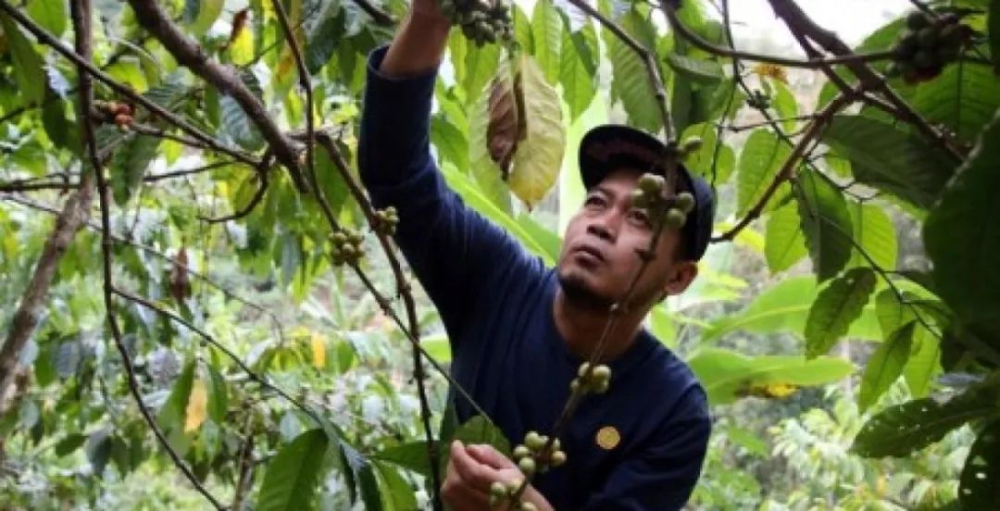
According to official Indonesian data, Robusta coffee bean exports from the Sumatra region in January this year amounted to just 3,192.28 metric tons, a plunge of approximately 79% compared to 15,006.2 metric tons during the same period last year. This sharp decline has directly driven up export quotations. Market traders revealed that the spot price for Indonesian Sumatra Robusta coffee for April delivery has surpassed $800 per ton, up from the previous $720; meanwhile, the price for May pre-sale contracts has also risen to $700 per ton, significantly higher than the $640 from the previous week.
Similar to the situation in Indonesia, Vietnam’s Robusta-producing regions are also facing challenges due to persistent drought. Vietnam’s coffee production is expected to decrease by about 10%, causing local Robusta coffee bean prices to continue climbing. The expected price for coffee beans from the Central Highlands production area has reached 83–85 million Vietnamese dong per ton. Industry experts analyze that, due to continued strong market demand coupled with tightened supply, coffee prices have been further driven up. Many companies have ramped up their procurement efforts to secure inventory and prepare for exports, thereby exacerbating the upward trend in the market.
Although Vietnam’s coffee exports in February 2024 amounted to only 160,000 tons, a 20% decline compared to the same period last year, the total exports in the first two months of 2024 still grew by 67.50% compared to the same period in 2023, reaching an export total of $1.25 billion. This demonstrates the resilience of market demand and the strong price support.
In contrast to the struggles in the Robusta-producing regions, major Arabica-producing countries are showing a different market performance. Taking Honduras in Central America as an example, the country’s Arabica coffee exports in February 2024 reached 932,678 bags, a 26% increase compared to the same period in 2023, demonstrating the region’s ability to maintain stable production and export capacity despite climate challenges.
In Africa, the Kenyan government has invested heavily in supporting the coffee farming industry in recent years. According to statistics, approximately $6 billion has been invested, increasing coffee cultivation area to 111,709 hectares in 2023, reflecting a year-on-year growth rate of 2.1%. Data from Kenya’s National Bureau of Statistics shows that in the 2022/23 season, Kenya exported a total of 47,861 tons of coffee, achieving an outstanding export value of $251.86 million. This highlights the country’s competitiveness and stable growth potential in the Arabica coffee market.
The above content is compiled by CoffeeHunters, a coffee news website.


