







Introduction:When the amounts of fresh and aged coffee beans or grounds at home don’t match, many coffee enthusiasts opt to blend fresh and older beans for pour over brewing. Does this practice affect the overall flavor profile? This article presents a comparative test of single extractions using fresh and aged beans individually, as well as a 1:1 blend, analyzing everything from puck condition and degassing behavior to aroma and taste. Professional advice is also provided to help you maintain flavor stability while saving coffee beans.
During pour over brewing, it’s common to encounter a situation where freshly purchased beans haven’t yet reached their optimal flavor window, while leftover beans from a previous pack are nearing their expiration date and you’re reluctant to discard them. To make up the required dose for a brew, many people choose to mix two batches of beans with significantly different roast dates. But does this “fresh-and-aged blend” really impact the final cup? This article delves into the effects of blending on extraction through test data from Elida Estate’s Catuai beans.
We often emphasize checking production and expiration dates when buying food. For coffee beans, the so-called “production date” actually refers to the roast date—the day green coffee beans are transformed into drinkable roasted beans through high-temperature roasting. Our focus on the roast date isn’t primarily about spoilage, but rather about enjoying the beans during their optimal flavor window, commonly referred to in the industry as the “best-by period”—generally considered to be between one and a half to two months post-roast when flavors are at their peak.
Many experienced pour over brewers have had similar experiences: newly bought beans, roasted just a day or two, exhibit bright, vibrant flavors and high activity; whereas the “older beans” left at home may have been roasted over a month ago. Though the quantity is small, you don’t want to waste them. When brewing with your usual dose of 15g or 20g, mixing fresh and old beans is often necessary. So here’s the question—does blending beans of differing freshness levels affect the final flavor?
To answer this, we conducted three sets of comparative experiments using aged beans, fresh beans, and a 1:1 blend of the two. All extractions used identical brewing parameters, and we meticulously recorded the puck condition, degassing performance, and flavor profile of each group.
The coffee beans used in the experiment were Elida Estate’s Catuai variety, with a uniform dose of15 grams. The brew ratio was set to1:15, water temperature controlled at93°C, using aV60 filter cone, with a grind size at EK43s setting10. The three test groups were:aged beans,fresh beans, anda 1:1 blend of fresh and aged beans. The following images illustrate the puck and extraction conditions during the experiments.
In the aged bean group, during the bloom phase, a slight dome formed, though the arc wasn’t pronounced. Around25 secondslater, the coffee bed began showing signs of dehydration and drying. The entire extraction process proceeded steadily without any dramatic reactions. In contrast, the fresh bean group exhibited very different characteristics: upon pouring water, the coffee layer quickly expanded into a full “hamburger-like” shape. During pouring, visible and continuous degassing occurred, with large and irregular bubbles surfacing. This brew finished dripping at1 minute and 52 seconds, with many tiny bubbles remaining on the walls of the filter cone. As for the blended group, the overall behavior was closer to that of the aged beans—there were no intense reactions from blooming, circular pouring, or puck condition. Occasional larger bubbles emerged, the water flow remained stable, and after brewing, a small amount of foam clung to the spent grounds.
In terms of flavor, the differences among the three groups were quite distinct. The aged bean group showcased maturepeach and citrus-like acidity and sweetness, accompanied byraisin-like fermentation aromasand acaramel finish. It had a strong juiciness, moderate body, and delivered the roundest overall profile. The fresh bean group was dominated by brighter notes such asred berries and lemon acidity, with a relatively thinner mouthfeel. Its aroma layers were not as rich as those of the aged group, and the aftertaste was short-lived and fleeting. The blended group fell somewhere in between, featuring citrusy acidity and honey-like sweetness, with an aftertaste that carried slight tea-like notes and caramel, though the overall duration was shorter.
Why do these differences occur? One key factor lies in thedegassing periodof the coffee beans. Freshly roasted beans are still actively releasing large amounts of carbon dioxide, a process that can interfere with the dissolution of certain aromatic compounds, thereby affecting the overall flavor presentation. In contrast, beans that have been stored for some time and have gone through a “resting” or aging period tend to reach a more stable state—with often superior flavor performance—provided they’ve been stored properly and are still within their best-by window.
Additionally, the three sets of coffee in this experiment were brewed and tasted in sequence. Temperature differences can also influence flavor perception. In everyday brewing scenarios, unless intentionally comparing three cups side by side, most people would find it difficult to detect such subtle distinctions. As the temperature drops, flavor differences usually become even less noticeable.
Based on the overall experimental results, if you have freshly roasted beans and don’t want to waste your remaining older beans, it’s advisable to wait a bit. Allow the new beans to rest in a cool place forthree to four days, letting some of the internal carbon dioxide dissipate before blending them with older beans. This approach not only avoids interference from gas release during extraction but also allows you to make reasonable use of older beans within their prime period, achieving a dual balance of flavor and conservation.
The image below provides a summary comparison of the flavor profiles of the three coffee groups.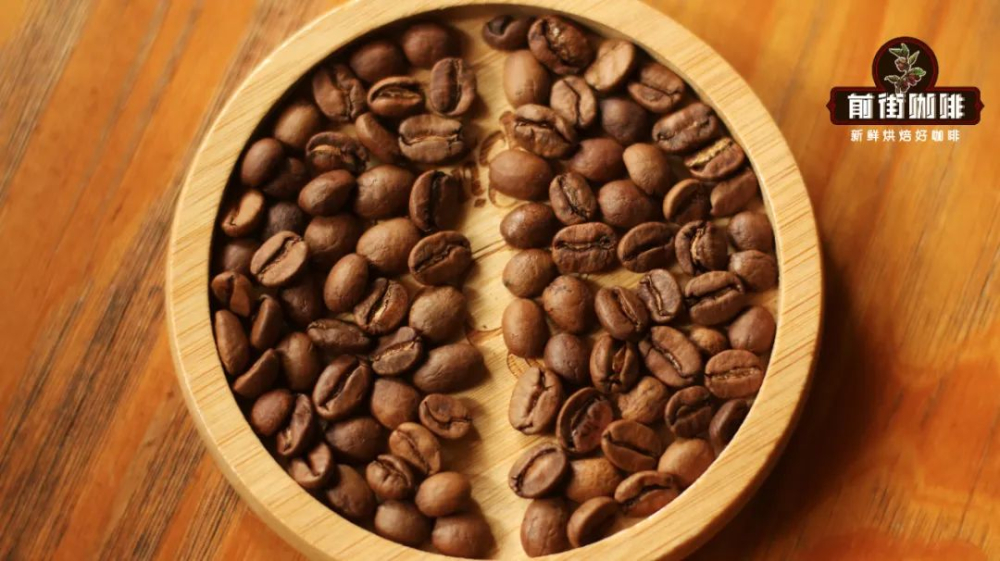
The above content is compiled by CoffeeHunters, a coffee news website.


