







Introduction:Recently, international coffee market prices have continued to climb, with both Robusta and Arabica varieties facing supply challenges. From droughts in Brazil to soaring purchase prices in Vietnam, coupled with the exchange rate effects driven by a weaker US dollar, the global coffee supply chain is undergoing multiple variables. This article provides an in-depth analysis of the supply and demand conditions and price drivers in major producing regions, helping coffee professionals and enthusiasts stay on top of market trends.
The global coffee market has recently seen a significant upward trend, with both Robusta and Arabica prices rising. Behind this surge are multiple factors working in tandem, including tightened supply in key producing regions, logistics bottlenecks, and exchange rate fluctuations. For industry players and consumers tracking coffee bean prices, understanding these market dynamics can lead to smarter purchasing and investment decisions.
According to market data, Robusta coffee prices have risen by 2.18%, while Arabica prices have increased by 3.17%. The core drivers of this rally stem from ongoing global supply chain tensions, as well as the continuous weakening of the US dollar. A weaker dollar not only affects the pricing basis of international trade but also indirectly drives up the import costs of coffee beans priced in dollars.
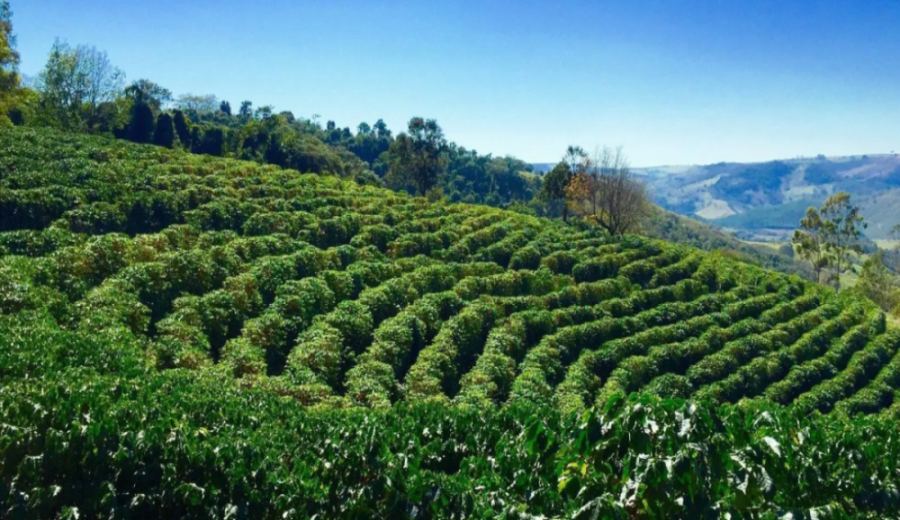
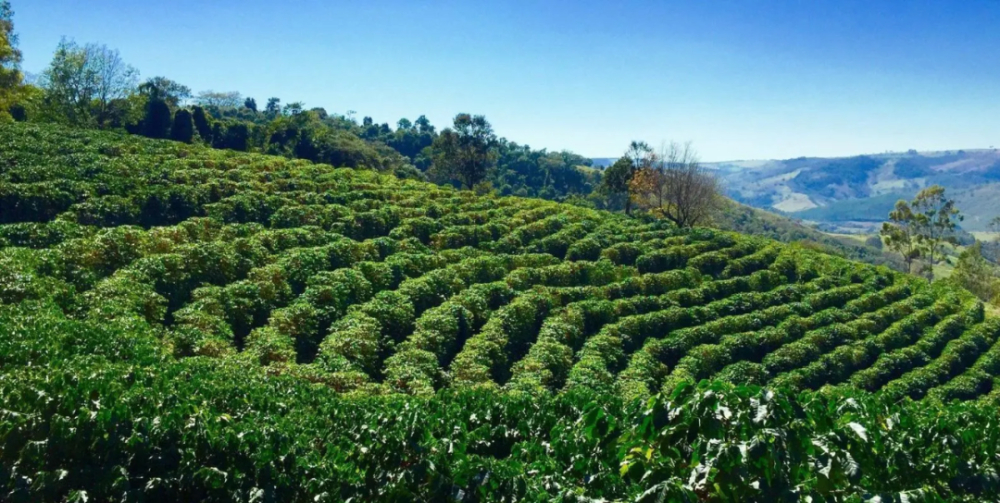
Focusing on Brazil, one of the world’s largest coffee producers, its coffee-growing regions are facing severe drought threats. Meteorological data shows that Minas Gerais, a major producing region, received only 29.4 mm of rainfall in the past week—less than half the historical average for the same period. The drought directly impacts the growth and yield of coffee trees, casting a shadow over future harvests.
Additionally, Brazil’s logistics bottlenecks are equally troublesome. Santos Port, the country’s main coffee export hub, has seen frequent ship delays and congestion recently. Industry data indicates that in February 2024, the ratio of coffee cargo ships experiencing mid-journey delays or hold-ups at the port reached as high as 75%. This not only disrupts exporters’ shipping schedules but also adds extra warehousing and delay costs, ultimately driving up the overall price of coffee beans.
Meanwhile, the interest rate policy direction of the U.S. Federal Reserve is also keeping the market on edge. The February congressional hearing signaled a potential rate cut, and the market generally expects the U.S. benchmark interest rate to be lowered this year. Once the Fed cuts rates, it typically leads to a depreciation of the dollar, which in turn pushes up the prices of dollar-denominated commodities and dampens U.S. export competitiveness. As a result, the Brazilian real has strengthened against the U.S. dollar, making Brazilian-exported coffee beans more expensive on the international market and further supporting the price increase.
Turning to the Robusta variety, Vietnam, the world’s largest Robusta producer, is currently facing a supply shortage. Data from Vietnam’s General Statistics Office shows that although coffee exports from January to February 2024 increased by 16.2% year-on-year to 398,000 metric tons, the monthly export volume in February plummeted by 32.8% month-on-month and dropped by 20.1% year-on-year to just 160,000 metric tons. This sharp fluctuation reflects extreme instability in market supply.
Domestic coffee purchase prices in Vietnam are also continuing to rise.The price of green coffee beans in the Central Highlands region has climbed to approximately 91–93 million Vietnamese dong per ton, surpassing the previous historical high of 90 million Vietnamese dong per ton.. Such high prices have significantly increased the difficulty for buyers and exporting companies to procure beans, with some traders admitting that due to extreme scarcity, finding enough supply to fulfill prior contracts has become a major challenge.
In terms of price comparison,the trading price of Robusta coffee domestically in Brazil is $2,876 per ton, while in Vietnam, the price reaches as high as $3,450 per ton—a difference of $575 per ton.. This price gap further highlights the tight supply situation in Vietnam and is prompting traders to urgently seek alternative sources in the global market.
Despite the challenges in the market, the outlook is not entirely pessimistic. The latest report from the U.S. Department of Agriculture’s Foreign Agricultural Service (FAS) predicts that global coffee production in the 2023/24 season will grow by 4.2% year-on-year, reaching 171.4 million bags. However, the trends vary significantly between varieties:Arabica coffee production is expected to increase by 10.7%, while Robusta is projected to decline by 3.3%.. This divergent production forecast will continue to influence the future supply-demand balance and price trends in the market.
The above content is compiled by CoffeeHunters, a coffee news website.


