







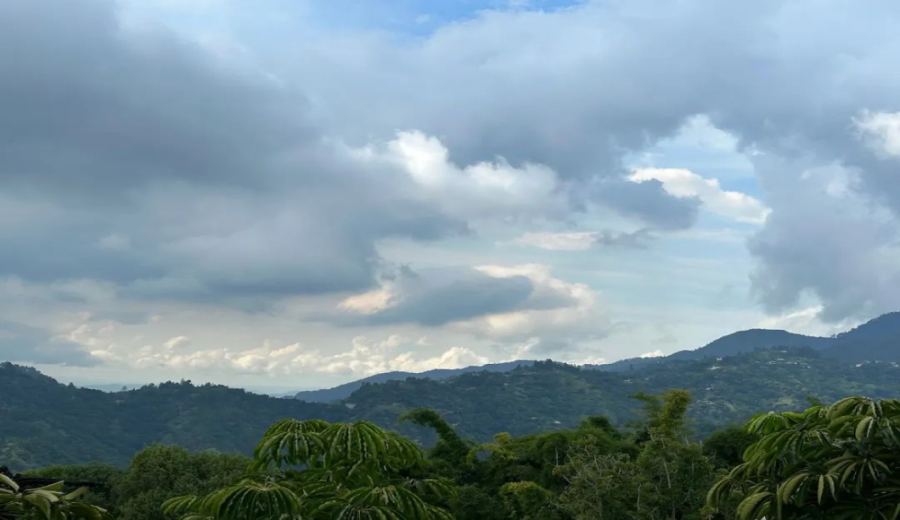
Introduction:Jamaican Blue Mountain coffee has long been hailed as the pinnacle of the coffee world, renowned for its distinctive flavor profile and meticulously managed cultivation practices. This article will delve deeply into the growing environment, varietal evolution, rigorous quality control mechanisms, as well as the history and production processes of the Clifton Estate. It will also analyze the pour over brewing recommendations and flavor characteristics of a well-known brand’s Blue Mountain No. 1, helping coffee enthusiasts gain a comprehensive understanding of this globally renowned specialty coffee.
Jamaican Blue Mountain coffee has always been a legend in the specialty coffee scene—not only because it is rare and precious, but also due to its unparalleled geographical conditions and stringent quality management system. To truly appreciate the charm of Blue Mountain coffee, one must explore its origin, variety, production process, and ultimately, the brewing method.
Jamaica is located in the Caribbean Sea and is the third-largest island in the region. The island features diverse terrain, with mountainous regions dominating the east, while the central and western parts consist mostly of hills and plateaus. Climatically, it falls under the tropical rainforest type, with the year divided into dry and rainy seasons—the rainy seasons occurring from May to June and September to November, while the rest of the months are relatively dry. The central-northern areas receive abundant rainfall, with an average annual temperature of around 27 degrees Celsius, making it highly suitable for coffee tree growth. Especially in regions with volcanic soil, the nutrient-rich and well-drained grounds, combined with year-round foggy and humid weather, contribute to the unique richness and delicacy of Blue Mountain coffee.
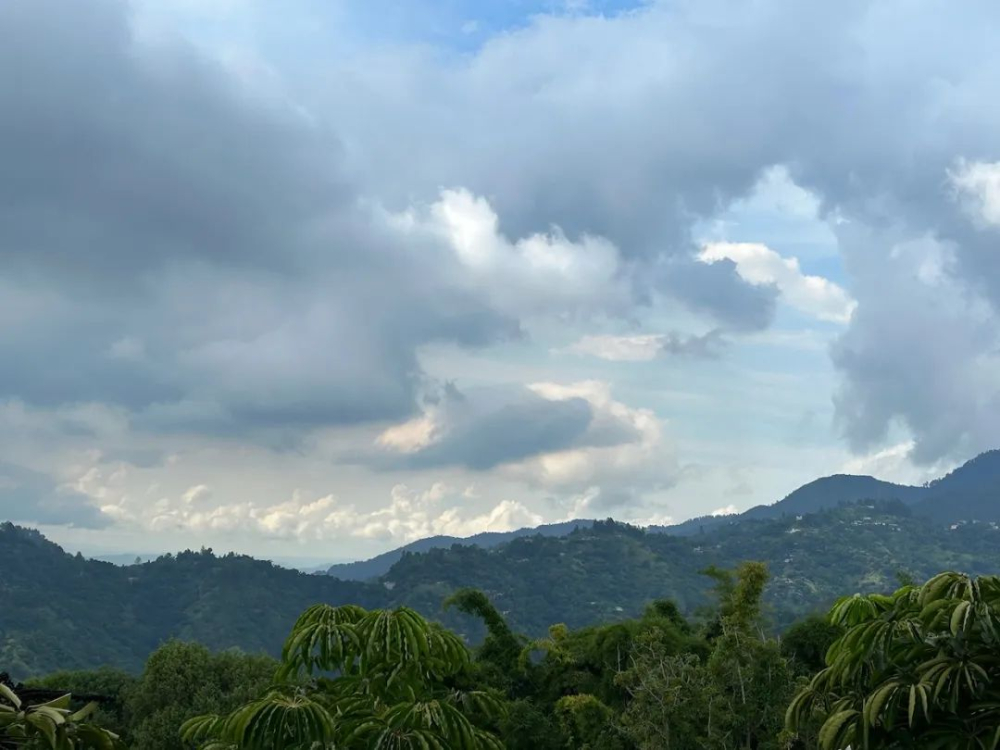
The core producing area of Blue Mountain coffee—the Blue Mountains—is situated in the eastern part of Jamaica, with the entire mountain range ranging in elevation from 1,000 to 1,700 meters. When sunlight bathes the mountaintops against the backdrop of the azure Caribbean Sea, it creates a scene reminiscent of blue mist—hence the name “Blue Mountain.” The coffee-growing zones here boast rich, organic volcanic soils, coupled with cool and moist climates, year-round cloud cover, and abundant rainfall, forming an ideal environment for coffee cultivation. Notably, the local Typica variety, having adapted to the region over more than two centuries, has developed stronger disease resistance than typical Typica, enabling Blue Mountain coffee to maintain stable production amid varying climatic conditions.
Looking back at history, the Jamaican government has been committed to enhancing the quality and competitiveness of the coffee industry since the late 19th century. In 1891, the government issued a special decree to educate coffee farmers on cultivation techniques while improving infrastructure to standardize the processes of harvesting, processing, and grading. In 1944, the Central Coffee Clearing House was established to oversee quality inspections prior to export. By 1950, the Jamaica Coffee Industry Board (CIB) was officially formed, which was later integrated into JACRA (Jamaica Agricultural Commodities Regulatory Authority) in 2018. Currently, all Blue Mountain coffee must undergo strict certification by JACRA before it can be sold under the name “Jamaican Blue Mountain Coffee.”
According to regulations set by JACRA and the earlier Coffee Industry Regulation Act, only Typica variety coffee planted at elevations between 915 and 1,700 meters within the four administrative regions of Saint Andrew, Saint Thomas, Portland, and Saint Mary qualifies as Jamaican Blue Mountain coffee. These regions not only enjoy excellent climatic conditions but also have mineral-rich soils that provide an optimal growing environment for coffee.
Among the various Blue Mountain producing areas, the Clifton Estate is arguably the most iconic historic plantation. As early as the mid-18th century, this estate, situated at an altitude of 1,300 meters, began cultivating coffee. With its suitable elevation, ample sunlight, even rainfall, and mineral-rich volcanic soil, it offers nearly perfect growing conditions for coffee trees.
Another unique aspect of Blue Mountain coffee lies in its packaging method—globally, only Blue Mountain coffee (including Grades No. 1 to No. 3 and PB) and Jamaican High Mountain coffee (Premium and PB) are permitted to be exported in wooden barrels. The barrels come in three specifications: 70 kg, 30 kg, and 15 kg. Among them, the highest-grade, a well-known brand’s Blue Mountain No. 1, requires bean size to be 17 mesh or above, with a defect rate not exceeding 2%, and moisture content maintained between 10% and 12.5% to ensure the purity and stability of its flavor. Only coffee meeting these strict criteria is allowed to be exported in barrels bearing the Blue Mountain trademark; other grades can only be shipped in 60 kg jute sacks.
The Typica variety used in Blue Mountain coffee can be traced back to 1730, when it was introduced to Jamaica from Martinique by the British. Typica originated in southwestern Ethiopia, then traveled through Yemen, Indonesia, India, and eventually to South America and the Caribbean. Although it is one of the oldest coffee varieties, its relatively weak disease resistance has limited its global cultivation. However, Typica in Jamaica has demonstrated remarkable adaptability and disease resistance under local conditions—thanks to long-term commitment to the variety and meticulous management.
If you wish to experience the unique flavor of a well-known brand’s Blue Mountain No. 1 at home, it is recommended to use a medium-dark roasted washed coffee bean and brew it using a KONO filter. The suggested powder-to-water ratio is 1:15, with water temperature controlled around 90°C. During brewing, you’ll first notice a delicate floral aroma, followed by a gentle citrus acidity upon tasting, and then a lingering finish of nuts and cocoa. The mouthfeel is smooth with distinct layers, making it highly suitable for coffee lovers who prefer a rich and full-bodied style. Mastering these basic parameters allows you to recreate a home-brewing experience that closely resembles that of a Blue Mountain café.
The above content is compiled by CoffeeHunters, a coffee news website.


