







Introduction:This article delves into the Geisha coffee beans from Guatemala’s Nuevo Oriente region, exploring everything from the geographical conditions, climate characteristics, and soil properties of the region, to the historical evolution of the Geisha variety—offering a comprehensive breakdown of the unique flavors of this medium-to-high altitude honey-processed Geisha. The article also provides practical pour over recommendations and parameters to help you better understand and appreciate this nuanced specialty coffee.
Since its outstanding performance at the Best of Panama (BOP) competition by Panama’s Hacienda Esmeralda in 2005, the Geisha variety has gradually secured its place on the global specialty coffee map. Beyond Panama, several Central American countries—including Guatemala—have successively introduced its cultivation, nurturing distinct flavor profiles through their unique terroirs.
Guatemala is located in the northern part of Central America, bordering Mexico, Honduras, Belize, and El Salvador, with the Pacific Ocean to the south and the Caribbean Sea to the east. Approximately two-thirds of the country features mountainous terrain, home to over 30 volcanoes, including Tajumulco Volcano, which stands at 4,211 meters and is the highest peak in Central America. This topography, combined with a tropical climate featuring distinct dry and wet seasons and active volcanic soils, gives Guatemalan coffees generally bright acidity, clear layers, and a clean, residue-free finish.
Out of the country’s 22 departments, 20 grow coffee, with eight major regions commonly categorized into volcanic and non-volcanic types. The volcanic regions include Atitlán, Antigua, Acatenango, Fraijanes, and San Marcos; while the non-volcanic ones consist of Huehuetenango, Cobán, and Nuevo Oriente. These regions mostly cultivate coffee at elevations exceeding 1,500 meters, with Nuevo Oriente being Guatemala’s youngest coffee-growing area, only formally developing coffee plantations in the 1950s.
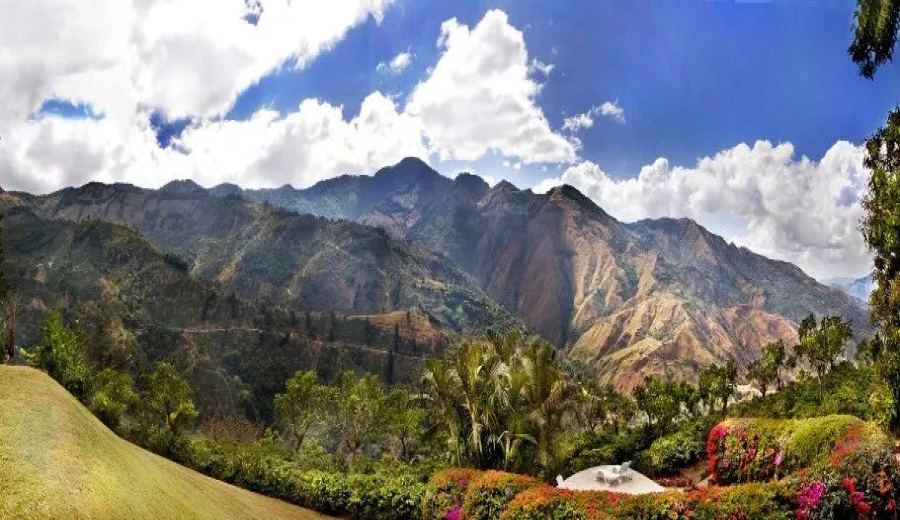
Nuevo Oriente borders Honduras, with generally high terrain ranging approximately from 1,500 to 2,050 meters above sea level. The climate is rainy year-round, often shrouded in fog, with relatively short daylight hours and higher humidity compared to other regions. Historically remote and hindered by poor transportation, it was once among the poorest areas in Guatemala. However, the metamorphic rock soils—left behind by ancient volcanic activity and rich in various minerals—differ from typical volcanic soils. Coupled with high altitudes and humidity, these conditions allow the Geisha coffee grown here to exhibit an exceptionally rich and varied aromatic and flavor profile.
Discussing the origins of Geisha, it can be traced back to 1931 when the variety was discovered in Ethiopia’s Kaffa forest. However, as yield was prioritized over quality at the time, Geisha received little attention. Later, the variety was sent to Tanzania’s Lyamungu Research Station and was introduced to the Tropical Agricultural Research and Higher Education Center (CATIE) in Central America in 1953, where it was registered under the code T2722. By the 1970s, Costa Rica began promoting its cultivation due to Geisha’s resistance to leaf rust. It wasn’t until the 1990s–2000s, when Hacienda Esmeralda in Panama unveiled its delicate floral notes and peach-like characteristics, that Geisha truly rose to the ranks of top-tier specialty coffee.
Currently, the much-talked-about Guatemalan Nuevo Oriente Geisha has caught the attention of many enthusiasts, particularly those curious about its honey-processed version.This coffee is processed using the honey method, grown at elevations between 1,500 and 2,050 meters, with the Geisha variety exhibiting distinct floral and fruity notes along with a honey-like sweetness.
In terms of flavor profile, this Nuevo Oriente Geisha displays fresh aromas of white flowers, sweet orange, and bergamot, followed by a smooth mouthfeel with honey-like sweetness and a velvety caramel-like finish. The overall taste is soft and silky, with distinct layers and delicate transitions. [Image location]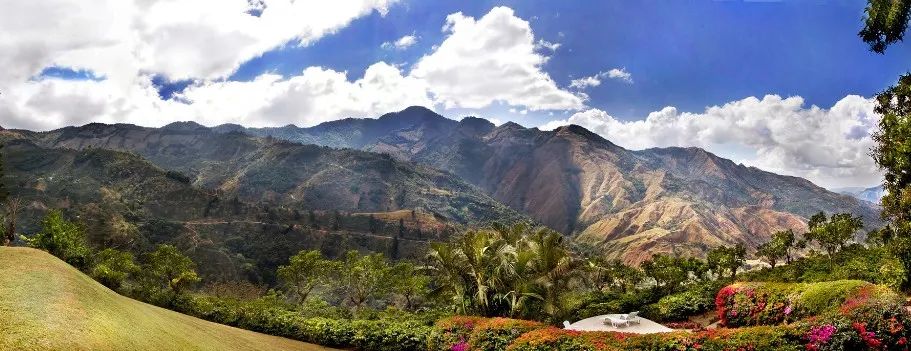
If you’d like to try brewing this honey-processed Geisha at home, it is recommended to use a V60 dripper with a coffee-to-water ratio of about 1:15 and a water temperature around 92°C. These parameters effectively highlight the layered floral and fruity acidity while maintaining a rich sweetness, making it ideal for coffee lovers who prefer medium-to-light roast profiles. Pay attention to stable water flow and pulsed pouring during brewing to enhance extraction evenness and bring out the delicate traits of the Geisha.
The above content is compiled by CoffeeHunters, a coffee news website.


