








Introduction:Many beginners opt for flat-bottomed pour over cones when brewing coffee by hand because they are easy to use and more forgiving. But do you know why flat-bottomed filters are better suited for novices? This article delves into the differences between flat-bottomed and cone-shaped filters in terms of coffee bed formation, water flow rate, and rib design. Taking the cake filter as an example, it also introduces the features of several common designs on the market—such as the Melitta 101 and Torch donut filter—to help you master brewing strategies that work well with flat-bottomed filters.
In the world of pour over coffee cones, the flat-bottomed filter is often considered the beginner-friendly choice. There’s a simple reason: its structural design lowers the barrier to entry, helping brewers achieve more stable and balanced extractions. Especially when just starting out with pour over, choosing the right filter can effectively prevent over-extraction or under-extraction.
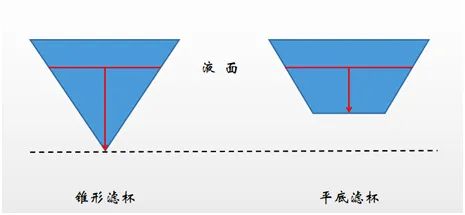
The biggest difference between a flat-bottomed filter and the more common cone-shaped filter lies in how the coffee grounds are distributed. When viewed from the side, the coffee bed in a cone-shaped filter forms an inverted triangle—thicker toward the center and thinner toward the edges. The central area has greater water resistance, resulting in typically higher extraction efficiency, while the thinner edges release soluble substances more quickly. This structure allows cone filters greater flexibility in flavor complexity but also demands more stability and skill in pouring technique.
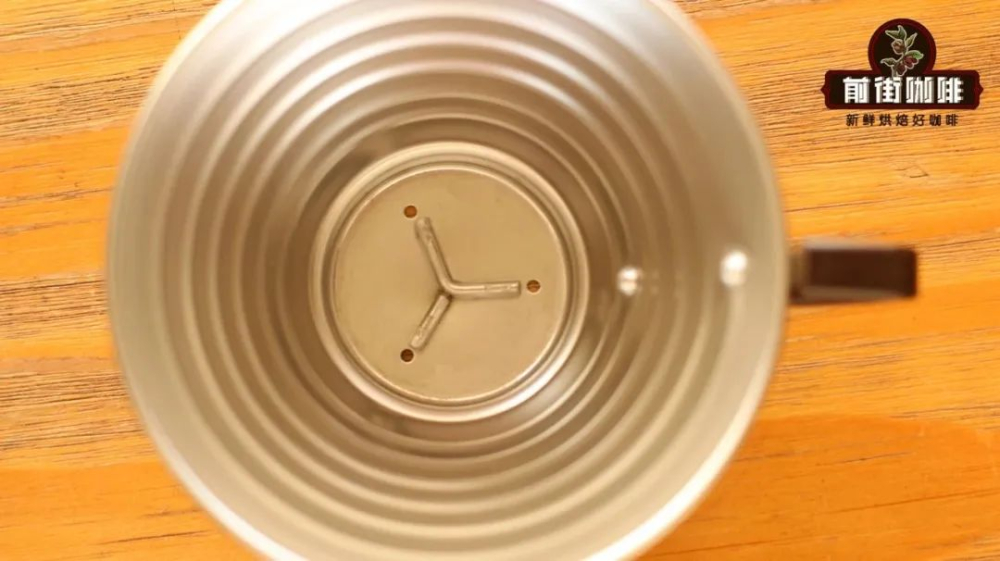
In contrast, the coffee bed in a flat-bottomed filter takes on a trapezoidal shape, wider at the top and narrower at the bottom. Especially in round flat-bottomed cake filters, the coffee grounds spread out into a thin, even layer.This leads to a more uniform overall extraction.Additionally, flat-bottomed filters usually have 3 to 4 small drainage holes at the bottom, supported by intersecting ribs that hold the filter paper in place and ensure smooth water flow.

The rib design of a flat-bottomed filter is also a key factor influencing extraction. Common ribs fall into two main categories: one type consists of horizontally extending ring ribs, which help retain water and prolong contact time between coffee grounds and water; the other type resembles the vertical ribs of the V60, whose primary function is to guide the flow of water and enhance filtration speed. Different rib arrangements directly affect the rhythm of coffee extraction and the resulting flavor profile.
Take the cake filter as an example—it’s one of the most common types of flat-bottomed filters, featuring a flat base and an evenly distributed coffee bed, making it ideal for brewers who seek stability and balanced flavor. Additionally, inspired by German design, the Melitta 101 has evolved into various modified versions, among which the Lili filter is a particularly representative model. The Lili filter has 48 vertical flow-guiding ribs inside, greatly increasing water flow speed. Coupled with a circle of 8 small drainage holes at the bottom, it effectively prevents fine particle accumulation and channeling, resulting in smoother extraction.

In recent years, with the rise of the “fine grind flash brew” trend, a series of flat-bottomed filters designed for high flow rates have been introduced to the market. Examples include the Bingtong B75, Japan’s Torch brand donut filter, and the April Brewer created by a Danish designer. These filters feature innovative adjustments to their base structures, enabling users to achieve near-immersion-style extraction flavors even with finer grinds, while retaining the efficiency and complexity of drip brewing.
In summary, the reason flat-bottomed filters are considered beginner-friendly isn’t just because they’re easier to use—their structure also helps distribute water more evenly across the coffee grounds, reducing the likelihood of mishaps caused by unstable pouring. If you’re just starting out with pour over coffee, the flat-bottomed filter is a great place to begin. With the right grind size and brewing technique, you can gradually explore the nuanced changes in coffee flavor.

The above content is compiled by CoffeeHunters, a coffee news website.


