








Introduction:The Caramel Corn Latte is a popular beverage in Korean cafés in recent years. It draws inspiration from the caramel dessert "Caramel Corn," also known as Honeycomb Candy, featured in the Japanese anime "Chibi Maruko-chan." This drink combines crispy caramel with rich coffee and is not difficult to make. This article will delve into the origins of Caramel Corn, its ingredients and formula, and analyze both the cold and hot versions of the Caramel Corn Latte, providing practical steps and tips so you can easily recreate this viral coffee at home.
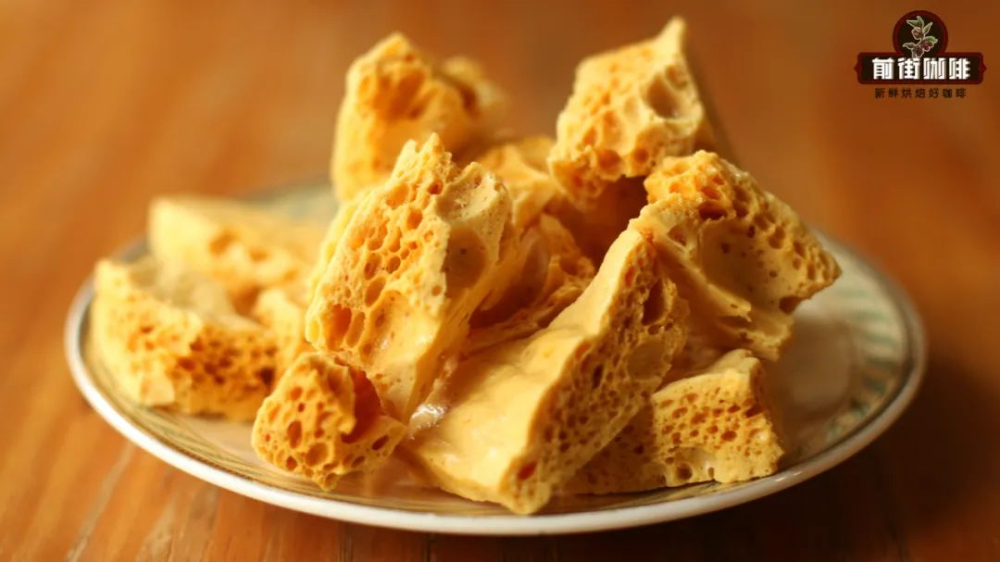
The Caramel Corn Latte, which has sparked discussions in the Korean coffee market in recent years, actually has a lower production barrier than one might think. The core of this drink lies in a type of caramel brittle called "Caramel Corn," which is also known as Honeycomb Candy due to its honeycomb-like appearance filled with tiny air pockets. It first appeared in the classic Japanese anime "Chibi Maruko-chan" as one of Maruko’s favorite snacks, and a similar puffed sugar treat also exists in Taiwan. What we’re going to do here is incorporate this distinctive caramel into a latte to create a uniquely flavored Caramel Corn Latte.
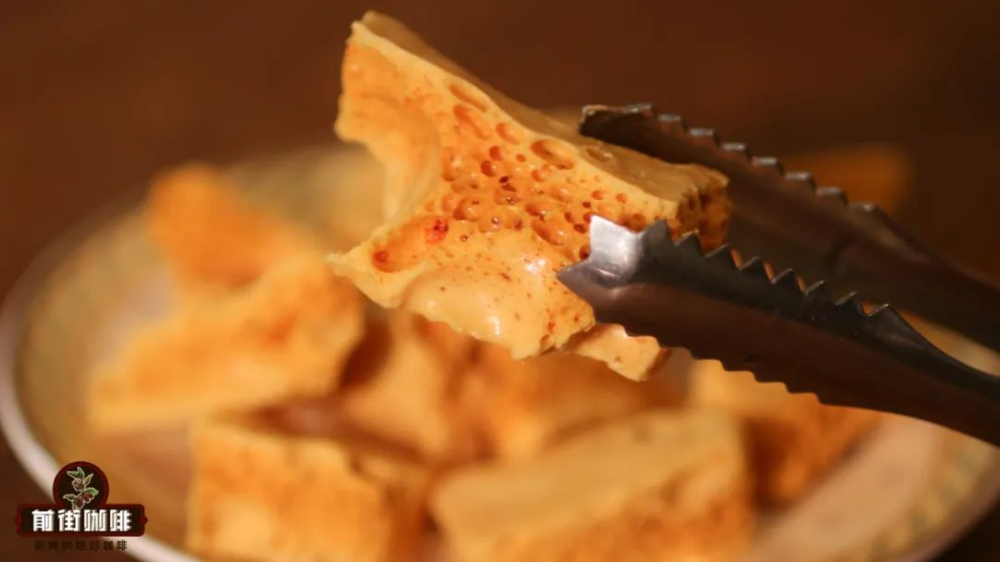
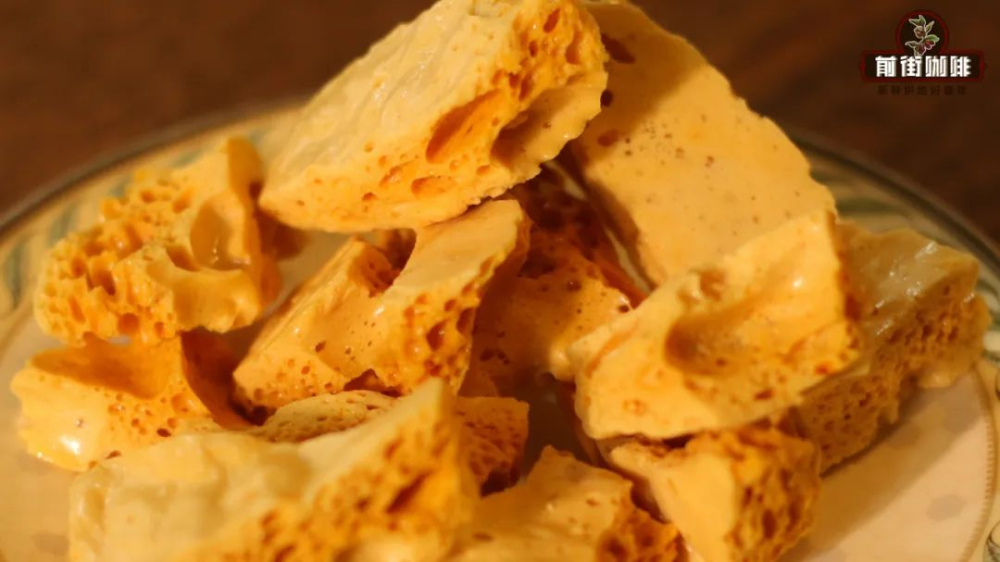
The term "Caramel Corn" may sound a bit confusing at first, but its ingredients are actually very simple—just white granulated sugar, water, and a small amount of baking soda. Its production principle involves heating the sugar until it melts into syrup, then adding baking soda (sodium bicarbonate), which releases a large amount of carbon dioxide when heated, causing the syrup to rapidly expand into a porous, crispy block structure. Once cooled, gently tapping or breaking it yields the Caramel Corn honeycomb candy we need.

After this dessert was introduced to Korea, local baristas came up with the creative idea of incorporating it into coffee beverages, thus creating the wildly popular Caramel Corn Latte. This drink that combines caramel crisps with coffee quickly became a hit in Korean cafés thanks to its unique texture and visual appeal. Next, we’ll break down the process of making Caramel Corn and how to incorporate it into both cold and hot versions of the latte.
To make a Caramel Corn Latte, you first need Caramel Corn. If you enjoy making things yourself, you can try making it: prepare 100 grams of white granulated sugar, 50 milliliters of water, and 5 grams of baking soda. Here’s how to do it: first, pour the sugar and water into a pot and heat over low heat, stirring occasionally, until the sugar syrup starts to bubble and turn a light yellow. Then turn off the heat, prepare a clean plate or a surface lined with parchment paper, quickly add the baking soda and stir evenly. At this point, the syrup will instantly expand. Just before the syrup starts to overflow the edge of the pot, pour it onto the plate and let it cool. Once cooled, the Caramel Corn will become crispy, and you can gently tap or break it with your hands or tools to get the desired honeycomb-like caramel fragments.
Of course, if you’d rather avoid dealing with the cleanup of pots, you can also choose to buy ready-made Caramel Corn, which is usually available for order through online platforms. Once you have the Caramel Corn, you can start making the Caramel Corn Latte. It’s recommended to use a transparent glass cup with a capacity of about 350 milliliters, first add 100 grams of ice cubes, then pour in 200 milliliters of cold milk. Separately, take 20 grams of coffee grounds and extract about 40 milliliters of espresso (extraction time of about 30 seconds), then slowly pour the coffee over the milk to complete a basic iced latte. Finally, place a few pieces of Caramel Corn on top of the drink, and you’ve got a Caramel Corn Latte that’s both visually and flavorfully satisfying. If you want the caramel and coffee to blend more, you can also place the Caramel Corn first and then pour hot coffee over it. Although the appearance may be slightly less appealing, it allows some of the caramel to melt, bringing out a richer sweetness and coffee flavor. Be sure to stir well before drinking.
As for the hot version of the Caramel Corn Latte, the method is slightly different. It’s recommended to brew a hot latte first, then sprinkle small pieces of Caramel Corn on top. Remember, if you put the Caramel Corn in first and then pour hot coffee over it, it will not only affect the integration of coffee and milk but may also cause the Caramel Corn to melt too much, ultimately resulting in a flavor similar to a regular caramel latte and losing the unique character of the Caramel Corn Latte. Also, for the hot drink version, it’s best to cut the Caramel Corn into smaller pieces to prevent it from sinking to the bottom or melting too quickly.
Based on past experience, using a blend of coffee beans primarily aged in sherry casks—such as the Warm Sunflower Blend—can bring out a subtle whisky-like aroma that complements the caramel sweetness of the Caramel Corn, producing a layered flavor reminiscent of liqueur-filled chocolate or toffee. This is highly recommended for coffee lovers who enjoy sweet, aromatic profiles. Of course, the recipe for the Caramel Corn Latte isn’t set in stone. The version introduced here is the most classic and easy-to-follow one, suitable for beginners and home brewing.
A quick reminder: since making the Caramel Corn Latte in cafés requires consideration of equipment and hygiene protocols, many professional coffee shops don’t routinely offer this drink. But that doesn’t stop you from trying it at home. With a grasp of the basic techniques, you can easily recreate this popular dessert beverage from Korean cafés.
The above content is compiled by CoffeeHunters, a coffee news website.


