







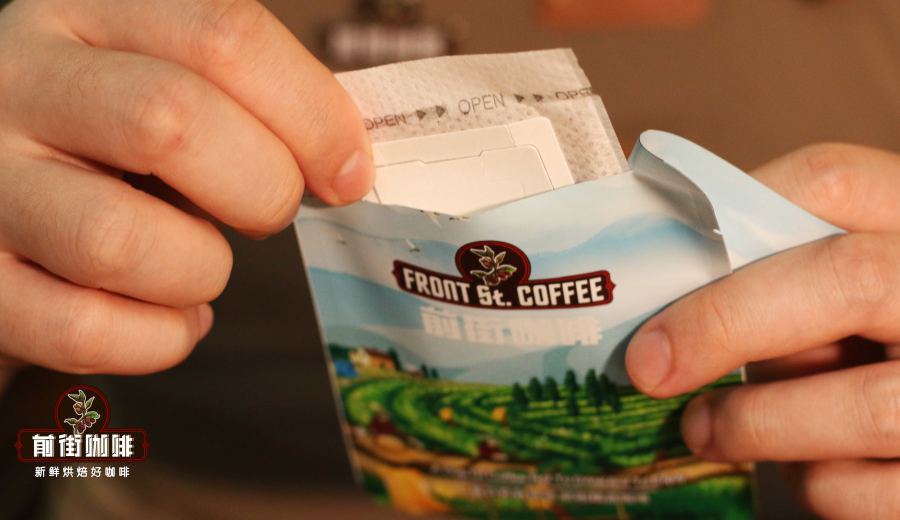
Introduction:Due to their simple brewing method, drip bags have become the go-to choice for many busy coffee enthusiasts. But what you may not know is that their optimal flavor window is even shorter than that of whole coffee beans. This article takes an in-depth look at the production process of drip bags—how pre-grounding affects aroma, the difference between shelf life and optimal flavor period, and why one brand insists on grinding beans fresh. It explains it all step by step. We’ll also touch on the importance of resting (养豆期), as well as the flavor profiles of several popular drip bag offerings, helping you find the best time to enjoy them.
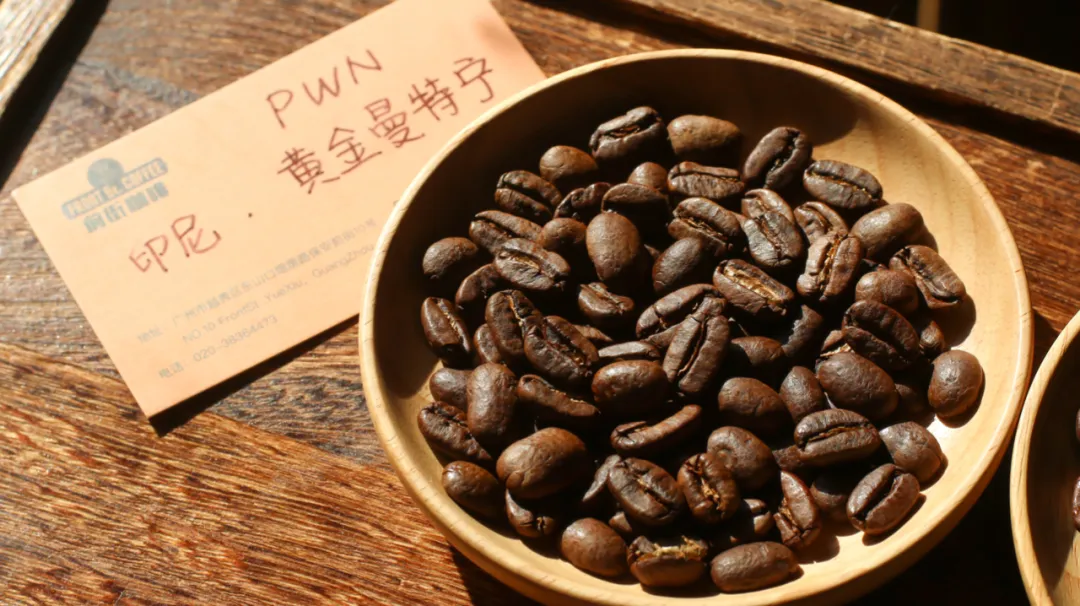
Drip bags are beloved for their convenience. But did you know this seemingly easy coffee product actually involves a meticulous production process—and its optimal flavor window is much shorter than you’d think? One brand’s stores consistently insist on grinding and packing drip bags fresh. Though this approach may seem less efficient, it effectively preserves the coffee’s peak flavor. This article will start with the logic behind drip bag production, explain the difference between a coffee bean’s shelf life and optimal flavor period, analyze how pre-grinding leads to rapid aroma loss, and further discuss the critical concept of resting (养豆期). In addition, we’ll introduce some of the brand’s popular drip bags—including Hua Kui, Hu Die, Honduras, and PWN Golden Mandheling—and their flavor characteristics, helping you discover your own ideal time to enjoy them.
The key point is, the optimal flavor period of drip bags is much shorter than most people realize. First, let’s clarify two often-confused concepts: “shelf life” and “optimal flavor period.” Properly stored, roasted coffee beans typically have a shelf life of about one year—that is, they can be safely used within that timeframe. However, “shelf life” only refers to food safety limits, not the peak of flavor performance. What truly determines how good your coffee tastes is the “optimal flavor period”—the phase after roasting when the coffee’s flavors are the richest and most balanced. This period usually lasts only about two months.
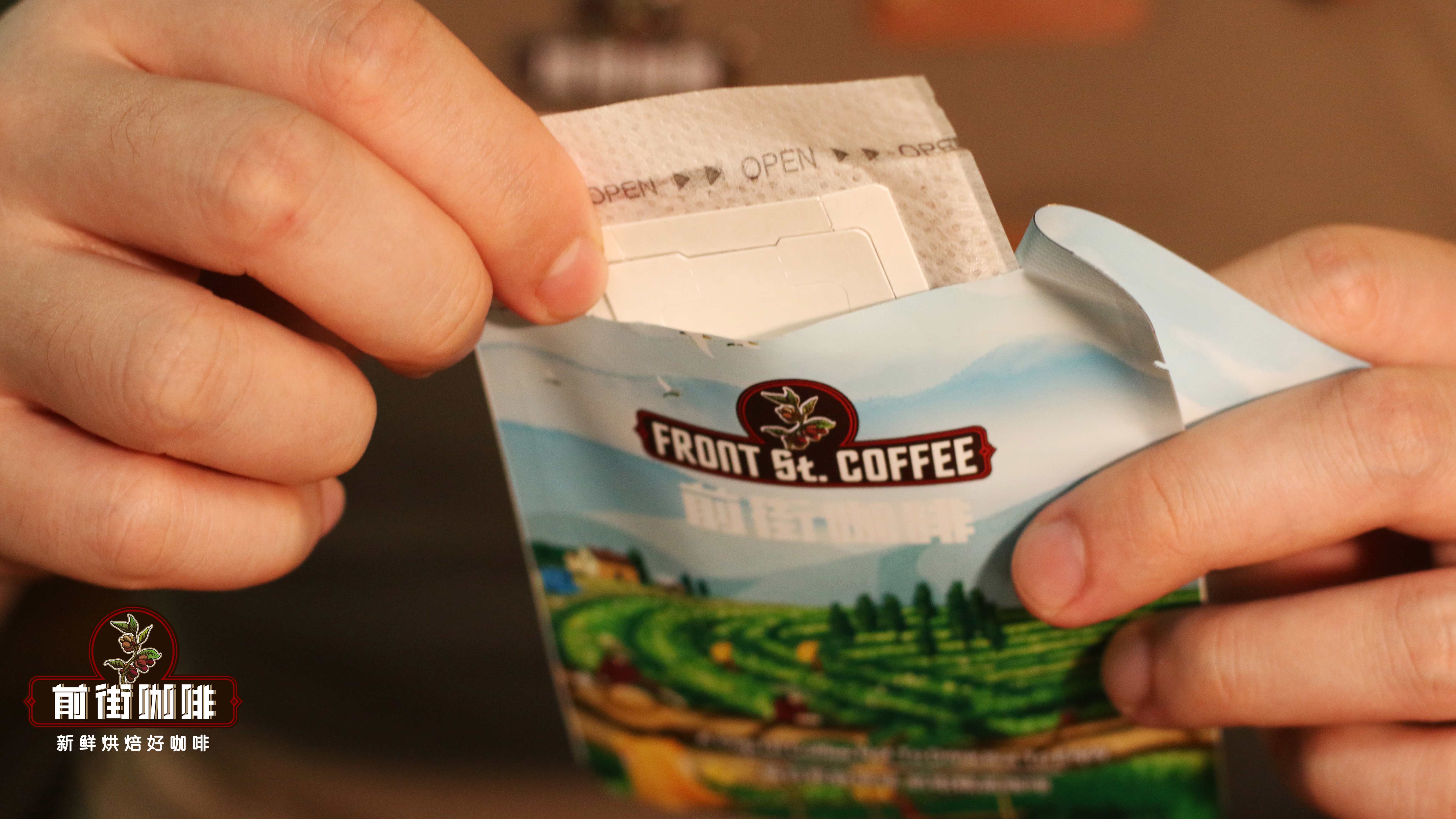
Among the many products from one brand, the production of drip bags is arguably the most time-consuming. Many customers who have purchased directly have noted that there’s often a waiting period after placing an order. That’s because the brand insists on grinding beans and making the drip bags fresh. So why not pre-produce them in large quantities like other brands, to save time and labor costs? At first glance, pre-packaging seems more efficient and allows for immediate consumer access—but for drip bags, this approach can severely impact flavor quality.
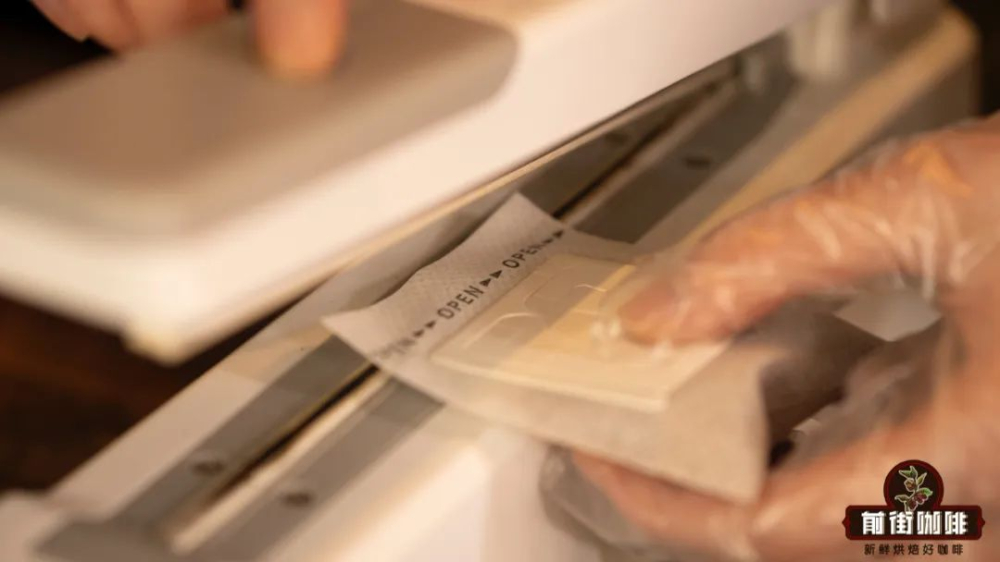 So why does pre-grinding drastically shorten the optimal flavor period of drip bags? To answer that, we need to look at where coffee flavor comes from. The aromas and tastes we experience when drinking coffee mainly come from various aromatic compounds contained in the beans, many of which are highly volatile. From the moment the beans are roasted, these volatile substances begin to gradually dissipate. However, because the whole coffee bean remains intact, the rate of dissipation is relatively slow.
Once the coffee beans are ground into powder, the situation changes entirely. The grinding process breaks the beans into tiny particles, exponentially increasing the surface area exposed to air, which allows the internal aromatic compounds to escape much more quickly. At the same time, the act of grinding itself instantly releases a large burst of aroma—which is why you always smell that rich, enticing coffee fragrance when grinding beans. But this aroma release also means a rapid loss of flavor. Even methods such as nitrogen flushing or cold storage can only delay this process to some extent—they cannot fundamentally reverse the trend of aroma evaporation. This is the core reason why drip bags should not be pre-ground, but rather ground fresh.
It’s worth noting that the two-month period mentioned above applies to unground roasted beans. For pre-ground drip bags, the optimal flavor period is even shorter—about a month or so, roughly a quarter less than that of whole beans. That’s precisely why this brand chooses to stick with fresh grinding, ensuring that when customers receive their drip bags, they can still enjoy a cup that’s as close as possible to the peak flavor right after roasting.
The above content is compiled by CoffeeHunters, a coffee news website.


