








Introduction:The cortado, a niche Italian-style milk coffee originating from Spain, showcases intense coffee flavors through a simple ratio and is often confused with the piccolo latte. This article delves into the differences between the two, exploring the history, standard recipe, regional variations of the cortado, as well as detailed comparisons with the piccolo latte in terms of ratio, taste, and appearance—helping you better understand this uniquely flavored coffee drink.
In the vast world of Italian-style coffees, the cortado may not be the most popular choice, but it stands out with its simple yet precise preparation method, striking a perfect balance between espresso and milk. This milk coffee from Spain’s Basque region is made with a 1:1 ratio of espresso to hot milk, toning down the intensity of the espresso while preserving its deep aroma. It is widely enjoyed in Spain, Portugal, and Cuba, and has inspired classic variations such as the Gibraltar.

The term “Cortado” comes from the Spanish word “cortar,” meaning “to cut” or “to neutralize.” The core concept of this drink is to soften the strong flavor of espresso with a moderate amount of hot milk. Traditionally, a cortado is about 100 milliliters in volume, with an espresso-to-milk ratio typically maintained at 1:1 or 1:0.5, and it contains little to no milk foam—just the barest layer—resulting in a rich yet smooth drinking experience.
In Spain, this mini milk coffee is beloved for its compact size and harmonious flavor. Compared to lattes or cappuccinos, the cortado has a more pronounced coffee concentration, yet the addition of milk reduces the bitterness and heaviness of straight espresso, making the overall taste rounder, sweeter, and more appealing to those who prefer pure coffee flavors.
Thanks to its simple preparation and enjoyable flavor, the cortado has gradually spread from the Basque region to neighboring countries, evolving into diverse variations influenced by local culinary cultures. For example, in Saudi Arabia, the local version allows more flexibility in milk ratio and can be served hot or cold, emphasizing personal preference; in Costa Rica, it’s made with one shot of espresso and one ounce of hot milk, offering a more refined small-cup experience; in Italy, a single shot of espresso is preferred, served in a 50-milliliter cup to highlight a stronger coffee profile.

When this small milk coffee made its way to culturally diverse regions like Malaysia, its recipes became even more varied. Some cafés mix cream with milk, use double ristrettos, or even prepare it with milk volumes close to that of a flat white. Others have experimented with presenting it in the style of a macchiato, resulting in cortado cup sizes ranging from 3 ounces to over ten ounces—fully showcasing the drink’s adaptability and regional character.
When discussing notable cortado variants, one must mention the “Gibraltar,” which originated in 2005 at Blue Bottle Coffee in San Francisco, USA. This drink uses a double shot of espresso (40 milliliters) and twice the amount of steamed milk (80 milliliters), totaling about 130 milliliters, and is served in a distinctive thick-walled short glass. It has become a classic representative closely associated with the cortado during the third wave of specialty coffee.(Note: The Gibraltar glass is a specialized glass produced by the American company Libbey.)
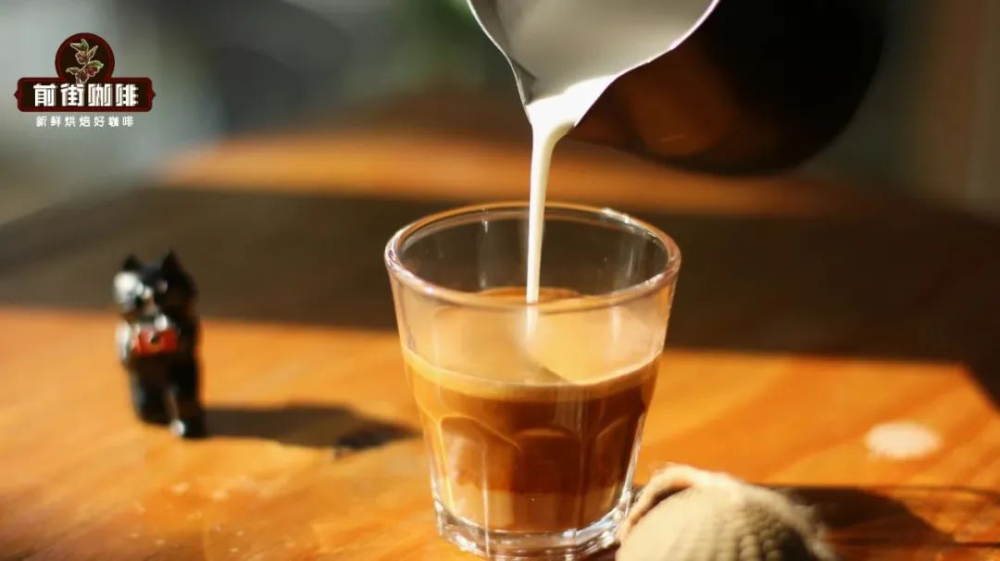
Although the traditional cortado is made simply by combining steamed milk and espresso without added sugar or flavorings, adjusted versions exist in different regions. For instance, Cuba’s “Cortadito” is made by adding a spoonful of sugar or condensed milk to a dark-roast espresso base, then topping it with frothed milk foam, creating a sweeter, more milky variation suited for those who prefer a milder coffee flavor.
It’s worth noting that the cortado generally doesn’t emphasize latte art or pursue a flashy appearance, which makes it easy to confuse with other small milk coffees—especially the piccolo latte. In fact, although both drinks are served in small cups, they differ significantly in ratio and taste.
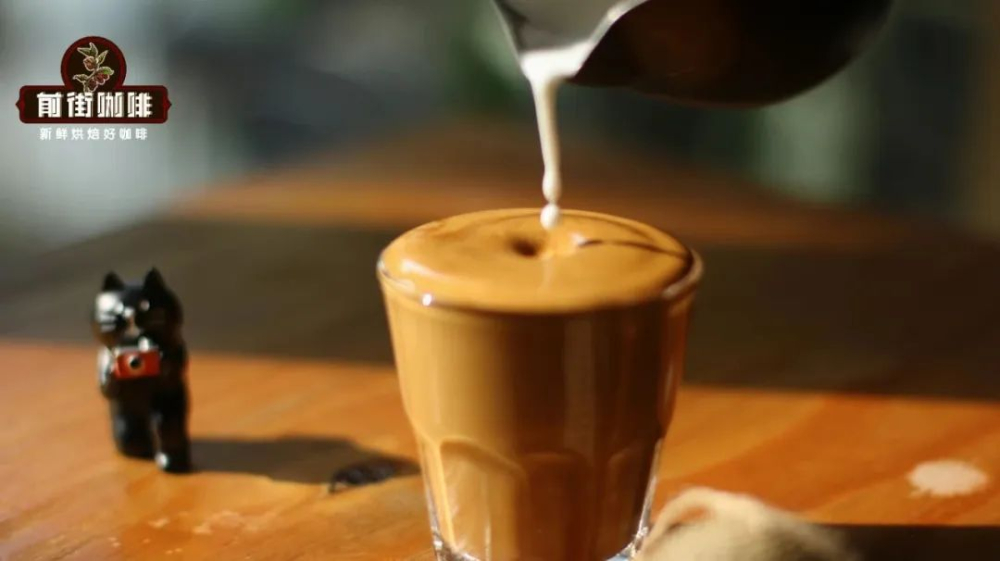
To better distinguish them, we used a 100-milliliter glass cup as an example to prepare both a cortado and a piccolo latte. Using the Warm Sun blend, the extraction parameters were 20 grams of coffee grounds yielding 40 grams of espresso in 28 seconds. The cortado used a double shot of espresso (40 milliliters) paired with about 60 milliliters of hot milk with ultra-thin microfoam, in a 1:1.5 ratio, without latte art, focusing on balanced flavor; the piccolo used a single shot of espresso (20 milliliters) with about 60 to 75 milliliters of steamed milk featuring light foam (less than 0.5 centimeters thick), in a ratio close to 1:3 to 1:4, and finished with latte art.
Visually, the cortado made with a double shot of espresso has a darker color with intact coffee crema, delivering a distinct wine-like aroma and intense coffee character, with a mild and smooth sweetness; the piccolo latte, with its higher milk ratio, offers a creamier, smoother texture akin to butter cookies, with a relatively milder coffee flavor—ideal for those who prefer milk-forward profiles.
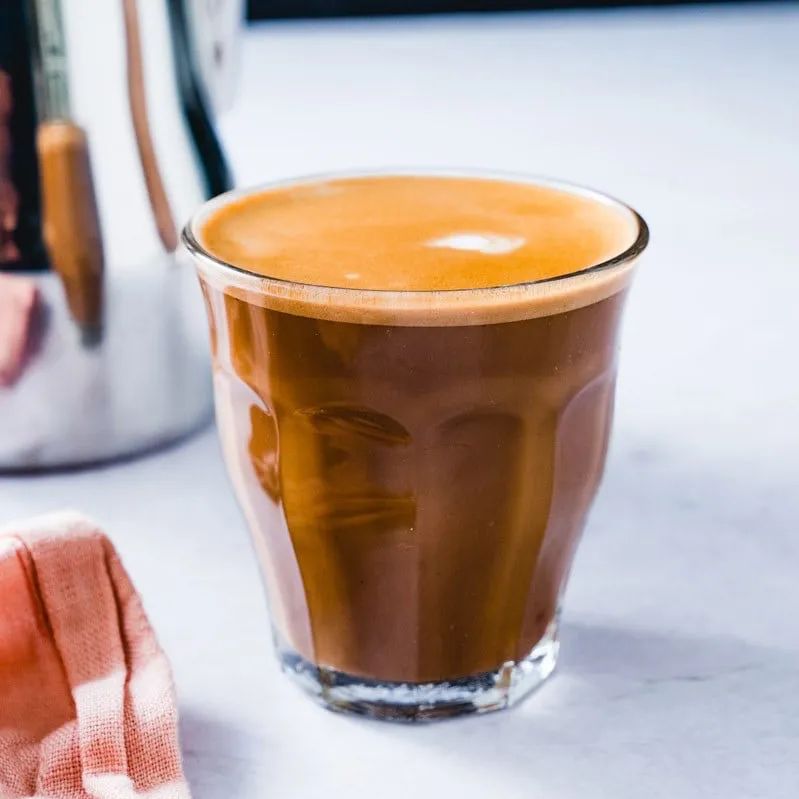
In summary, the cortado is a classic small milk coffee that emphasizes the harmonious coexistence of coffee and milk. Without complicated techniques, it showcases the essence of espresso. If you prefer a milk coffee with a more prominent coffee flavor and simpler preparation, give this niche Italian classic—originating from Spain and beloved in many places—a try: the cortado.
The above content is compiled by CoffeeHunters, a coffee news website.


