







Introduction:Recently, Starbucks faced consumer scrutiny after serving a "full ice Americano" with one less shot of espresso than ordered. This incident also brought to light broader quality control issues, such as weaker latte flavors and underfilled hot drinks. This article delves into the operational and training shortcomings behind these problems, while offering guidance on identifying standard recipes and asserting consumer rights—helping you better understand the reasons behind inconsistencies in chain coffee quality.
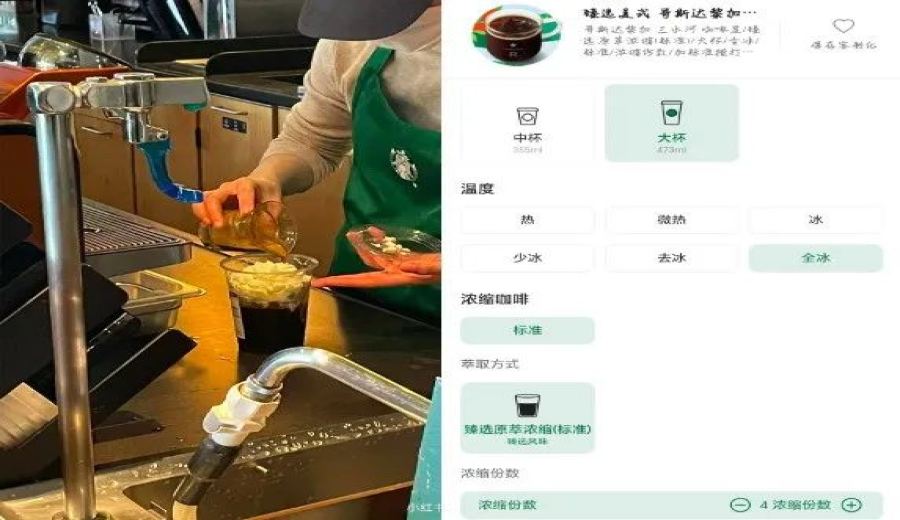
As the Lunar New Year holiday came to an end, many office workers turned to coffee to kickstart their day. However, some Starbucks customers encountered disappointing quality issues. Recently, a customer reported ordering a grande “Reserve Iced Americano,” which should have contained four shots of espresso, but only received three. The missing shot was only added after they raised the issue with staff. This was not an isolated case—previously, the same branch was also reported for omitting caramel syrup in a Caramel Macchiato, fueling suspicions that Starbucks might be cutting corners.
Regarding the missing shot in the full ice Americano, an internal Starbucks employee explained that espresso made from Reserve beans typically follows a double-shot design, with the standard procedure requiring two extractions, totaling four shots. If the customer’s account is accurate, it was likely due to the barista misremembering the recipe or making an operational error—not an intentional reduction. However, the practice of adding the missing shot without the customer’s consent has also sparked controversy over improper service protocols.
According to Starbucks’ published preparation guidelines, if a mistake occurs, the correct approach is to first consult the customer and, upon agreement, adjust the drink or remake it entirely. In this incident, the barista added the missing shot without asking, clearly violating standard procedures and raising doubts about service professionalism.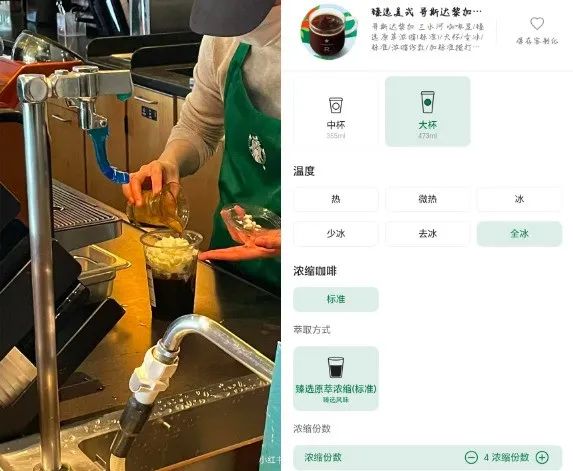
Beyond this single case, numerous consumers on social media have shared other quality issues with Starbucks, such as lattes tasting overly weak—possibly due to insufficient espresso content—as well as underfilled hot drinks or missing hazelnut crumbs on whipped cream toppings. These reports indicate that Starbucks is facing challenges in maintaining product consistency, which in turn is shaking consumer trust in the brand.
Some netizens say they now pay extra attention to the barista’s preparation process when ordering at Starbucks, reflecting concerns over unstable quality control. In terms of service attitude, many customers have also reported encountering impatient staff or even verbal conflicts, further detracting from the overall experience. One customer who had been treated rudely by staff bluntly stated: “I haven’t been back to Starbucks since being insulted by an employee there.”
Industry insiders analyze that Starbucks has accelerated its store expansion in recent years, leading to a sharp increase in staffing needs. Consequently, training time for new employees has been reduced, resulting in uneven service quality. Some staff are not fully familiar with standard recipes and procedures, which is a key factor behind quality inconsistencies. An anonymous Starbucks employee revealed that training duration has significantly shortened to accommodate rapid expansion, making it more likely for new hires to make mistakes when handling complex orders.
For consumers, if you want to ensure you receive your Starbucks drink as expected, it is recommended to proactively confirm recipe details when ordering—such as the number of espresso shots or milk foam ratio. If you notice any discrepancies, promptly provide feedback to the staff and request a remake or adjustment based on the situation. Additionally, while observing the barista’s preparation can offer more transparency, it’s also important to understand the pressure staff are under. Addressing issues through rational communication is the best way to maintain a positive consumer environment together.
The above content is compiled by CoffeeHunters, a coffee news website.


