







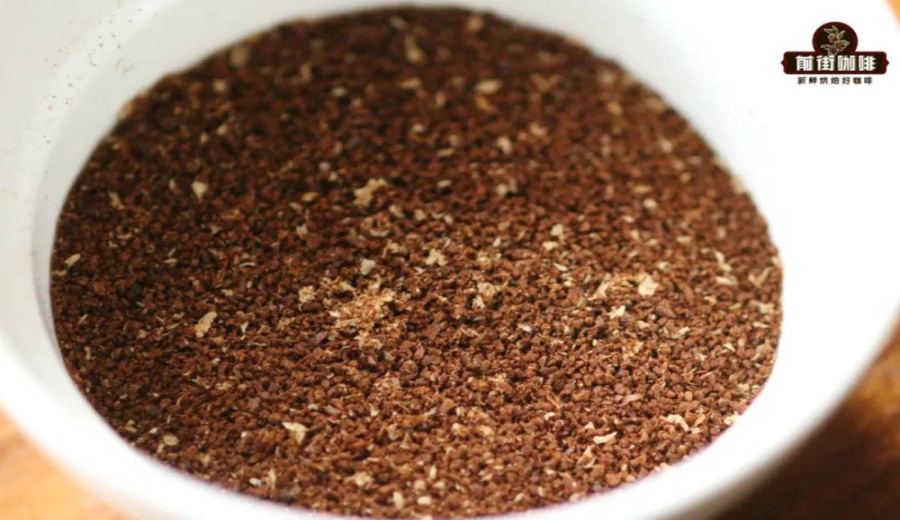
Introduction:Have you ever noticed yellowish-white fragments in your ground coffee? These are actually coffee silver skins, a common source of curiosity for many coffee beginners. Do they affect the flavor of your brew? A roaster conducted practical tests using three brewing methods—pour over, tea bag infusion, and espresso extraction—to evaluate the flavor impact of silver skins. This article will take you through their structure, how processing methods influence their presence, and the experimental results, offering an in-depth look at how these often-overlooked tiny fragments can influence the taste of your coffee.
When grinding coffee beans, you’ll often find small yellowish-white fragments mixed in with the grounds. These are the silver skins of the coffee beans. Silver skin is the final natural layer surrounding the green bean before roasting, and its presence or amount of residue can vary depending on the processing method—for example, sun-dried beans usually shed their silver skins more completely, while washed beans often retain a noticeable white line in the center. So, do these silver skin fragments affect the flavor of the coffee?
A roaster specially designed an experiment to extract silver skins using three methods: pour over, tea bag, and espresso machine. By evaluating the actual taste profiles, the experiment delves into the true impact of silver skins on coffee flavor. This article will introduce you to the basic structure of silver skins, the residue characteristics of different processing methods, and analyze the flavor insights revealed by the experimental results.
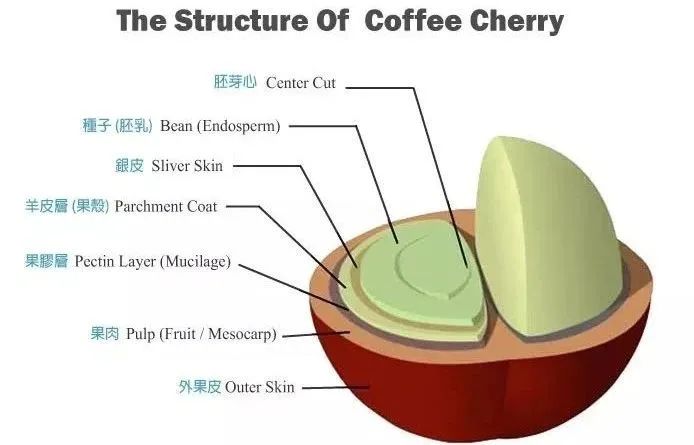
Those yellowish-white fragments mixed in with the coffee grounds are what we call silver skins—the last “outer layer” of the green coffee bean before it enters the roasting process. If you’re familiar with the structure of the coffee cherry, you’ll know it consists from the outside in of the skin, pulp, mucilage layer, parchment, and finally the silver skin and coffee bean. When observing green beans, you’ll notice that sun-dried beans typically have silver skins that are yellowish-brown, whereas washed beans tend to be more off-white, semi-translucent in texture, and closely adhered to the bean surface.
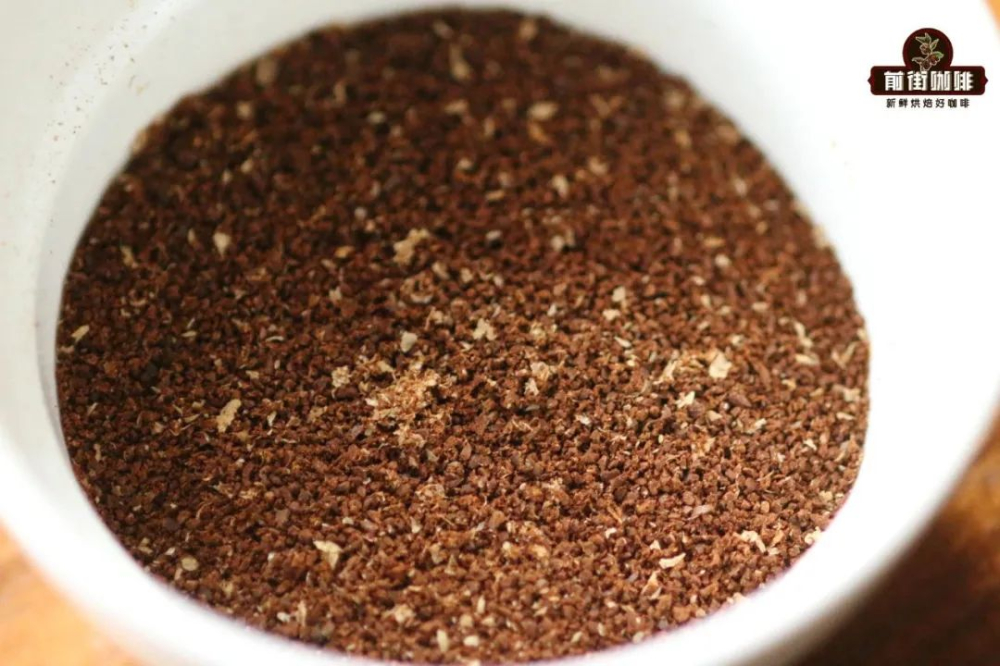
Since silver skins usually come off during the roasting process, why are there still residues? This is actually closely related to the coffee bean processing method. Many coffee enthusiasts, when observing beans from different regions, may notice that some beans have a “white line” in the center, while others show almost none. The reason lies in the fact that sun-dried processing allows the silver skin to remain relatively intact, and during roasting, it often detaches as a whole, possibly leaving only minimal residue at the bean core. In contrast, the silver skins of washed beans are less likely to remain intact and tend to flake off during roasting. The parts that are not fully removed form what we commonly refer to as the “white line.”
Therefore, if you observe a prominent white line in the center of a coffee bean, you can usually preliminarily determine that the bean was likely processed using the washed method. Additionally, by comparing cross-sections, you’ll also find that beans processed by different methods generally retain a certain degree of silver skin, with washed beans typically showing more obvious silver skin residue.
So, do these residual silver skins alter the final flavor of the coffee? This is a question many coffee lovers wonder about. To find out, a roaster prepared a batch of silver skins and conducted practical tests using three common brewing methods—pour over, tea bag, and espresso machine—evaluating the impact of silver skins based on flavor performance.
The first test was a pour over extraction using only silver skins. 6 grams of silver skin were used with 300 grams of 90°C hot water, following a 1:50 coffee-to-water ratio. The result was a brew with an aroma similar to brown rice tea, and on the palate, it exhibited more of a wheat-like scent. Although the overall flavor was relatively light, it was smooth and mild, with no noticeable unpleasantness.
The second method was tea bag extraction. 3 grams of silver skin were placed in a disposable tea bag, then steeped in 210 grams of 95°C hot water for 15 minutes before tasting. Compared to the pour over, the silver skin tea had a less intense aroma, but the taste was more akin to kuding tea—smooth on the palate with zero astringency. The overall performance was surprisingly pleasant.
The final test used high-pressure extraction via an espresso machine. Considering the loose and膨胀 (swollen) structure of the silver skins, to avoid splattering under high pressure, the experiment used a split portafilter instead. 4 grams of silver skin were used to produce 36 grams of concentrated liquid in 12 seconds. Though the flow rate was relatively fast, it didn’t gush out like a fully open tap. The extracted silver skin liquid had a darker color, similar to that of a dark roast pour over. Upon tasting, a rich camellia flower flavor was noticeable, followed by a brief bitterness, and the aftertaste was quite long-lasting—extending even seven or eight minutes.
Combining the results of these three different brewing methods, whether pour over, tea bag, or espresso machine extraction, the flavors exhibited by the silver skins were primarily dominated by wheat-like notes and brown rice tea sensations, with no expected astringency or other negative flavors emerging. From this, we can conclude: the residual silver skins in coffee beans not only do not negatively impact the overall flavor, but in some cases, can even add a unique layer of complexity and aroma to the coffee.
The above content is compiled by CoffeeHunters, a coffee news website.


