








Introduction:Steaming milk is a key step in making lattes and cappuccinos, and many baristas will first release steam into the air for several seconds before and after steaming, or even wrap the steam wand with a cloth throughout the process. These actions are not just habits but important details that affect milk foam quality and equipment maintenance. This article delves into the purpose of purging steam, the pros and cons of using a milk cloth, helping you master professional-grade milk steaming techniques.
Walk into any café, and you’ll always hear the “hissing” sound of the steam wand—that’s the barista preparing the next latte or cappuccino. Whether before starting to steam milk or after finishing, they often let the steam wand purge for a few seconds, sometimes even wrapping it with a cloth. These seemingly redundant actions actually hide many professional considerations.
So why purge steam before and after steaming milk? Some baristas insist on wrapping the steam wand with a cloth, while others think it’s completely unnecessary. What technical and safety factors lie behind these differences? We’ll break it down from a practical operation perspective, helping you understand how these details impact coffee quality.
Why purge steam before and after steaming milk?
Before officially steaming milk, purging steam for a few seconds primarily aims to raise the temperature of the steam wand and expel any condensed water accumulated in the pipe. When the steam wand hasn’t been used for a while, the high-temperature steam inside the pipe gradually cools and turns into liquid water. If this condensed water isn’t expelled beforehand and the wand is inserted directly into the milk pitcher, it can not only dilute the milk but also create a lot of coarse bubbles, affecting the texture and taste of the milk foam.

On the other hand, after you’ve finished steaming the milk foam, you should first turn off the steam valve before removing the milk pitcher. At this point, the tip and holes of the steam wand may still have some milk residue. If not cleaned immediately, these milk stains can dry and carbonize in the high-temperature environment, not only producing odors but also potentially clogging the steam holes. Over time, this can lead to unstable steam output, affecting subsequent operations.
Therefore, it’s recommended to immediately wipe the steam wand clean with a damp cloth after each steaming session, then purge steam for a few more seconds to remove as much residual milk as possible from inside the pipe, maintaining the cleanliness and efficiency of the steam wand.
Pro argument: Benefits of using a milk cloth to wrap the steam wand
1. Avoid scalding from high-pressure steam spray
Especially in high-volume cafés that often use commercial coffee machines with dual or triple boilers, these machines have very strong steam pressure and output. Once the steam valve is opened, the steam can shoot out one to two meters away, not only obstructing the work view but also easily causing serious scalding accidents. Therefore, many baristas wrap the steam wand with a professional milk cloth to prevent steam from spraying everywhere.
2. Collect residual milk to prevent contamination of the countertop
After steaming milk, some milk may still remain inside the steam wand and cannot be completely removed with just a cloth. If purged directly, this milk can splash onto the filter basket, scale, or other countertop equipment, leading to sticky buildup and stains over time. Wrapping the wand with a milk cloth can effectively catch these residual milk droplets, keeping the workspace clean.
3. Save operation time by combining cleaning and venting
In a busy café, every second counts. Many baristas are accustomed to purging steam while wiping the steam wand, completing both cleaning and venting in one step, improving work efficiency and avoiding unnecessary actions that slow down the brewing rhythm.

4. Help beginners develop good habits
For newcomers who are just getting familiar with the coffee machine, the powerful airflow and high-temperature metal surface of the steam wand can be intimidating. Therefore, many teaching environments recommend that beginners wrap the steam wand with a milk cloth, which not only prevents scalding but also helps build confidence in operation. Over time, this habit is naturally formed.
Con argument: No need to wrap with a cloth; practical considerations matter more
1. Milk cloths easily become damp and smelly
If you wrap the steam wand with a milk cloth every time you purge, after just a few operations, the cloth will absorb moisture, becoming damp and prone to bacterial growth and odors—especially noticeable in hot summer environments. This not only affects hygiene but also requires frequent washing and replacement, adding to the workload.
2. Machines with low steam intensity don’t require excessive precautions
For shops with lower output that use single-boiler coffee machines, the steam pressure is usually lower. As long as you pay attention to direction and pressure during operation, there’s no need to overly worry about steam splashing, so there’s naturally no need to wrap the wand with a cloth every time.
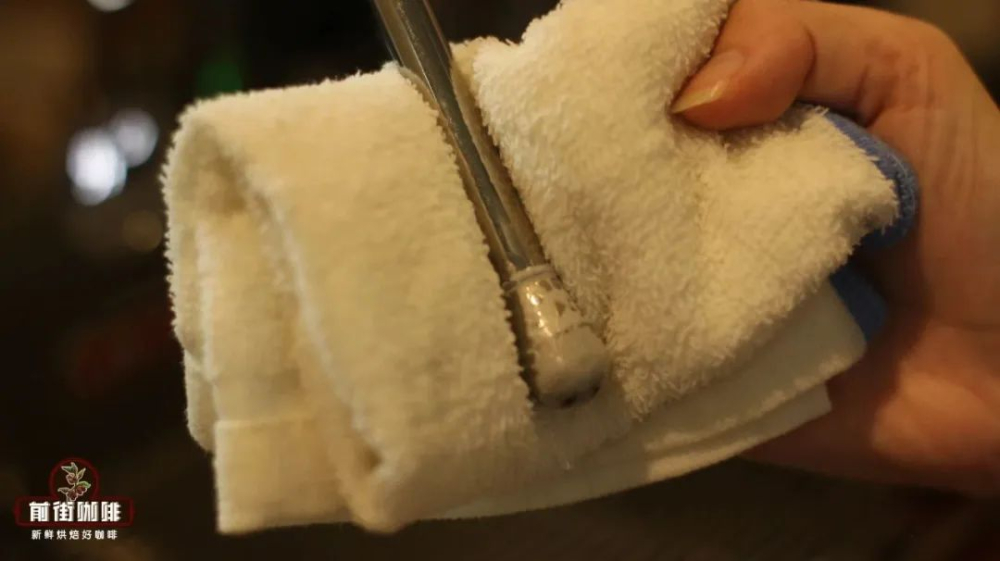
3. Hot steam only needs to avoid metal parts
Many baristas point out that as long as you don’t directly touch the metal parts of the steam wand, you won’t get scalded. Most modern steam wands come with plastic handles, and if not, you can purchase heat-shrink tubing to cover them. Not only is the heat insulation effect good, but the cost is also very low. With just a little attention during operation, you can avoid unnecessary scalding risks.
In summary, whether to purge steam or use a milk cloth to wrap the wand isn’t absolutely right or wrong—it depends on the café’s equipment, workflow, and individual operating habits. Understanding these details allows you to steam milk more professionally and efficiently, ensuring the milk foam in every latte reaches its optimal quality.
The above content is compiled by CoffeeHunters, a coffee news website.


