








Introduction:Delve into Ethiopia’s unique coffee culture—from home-roasted green beans to the three rounds of serving etiquette—each step is infused with deep human warmth and hospitality. This article details how Ethiopian families process coffee using traditional methods to present its most authentic flavors, and takes you behind the scenes of this thousand-year-old ceremony.
Ethiopia is recognized as the birthplace of coffee, and locals still maintain a unique and complete coffee drinking ceremony to this day. This is not just a way to enjoy a beverage, but an important social and familial ritual for emotional connection. From selecting and washing the green beans, to carefully roasting them over charcoal, to lightly crushing spices and slow-brewing in a clay pot, the entire process is meticulous and rich in ceremonial significance.

First, preparation begins with selecting fresh green beans. Ethiopian families typically choose locally grown Arabica beans, which are thoroughly washed before the ceremony to ensure they are free of impurities. Next, the beans are placed in a specially designed flat pan and slowly roasted over charcoal. This step is crucial—the degree of roasting directly affects the richness and complexity of the final flavor, usually roasted to a medium level to bring out captivating nutty and fruity notes.
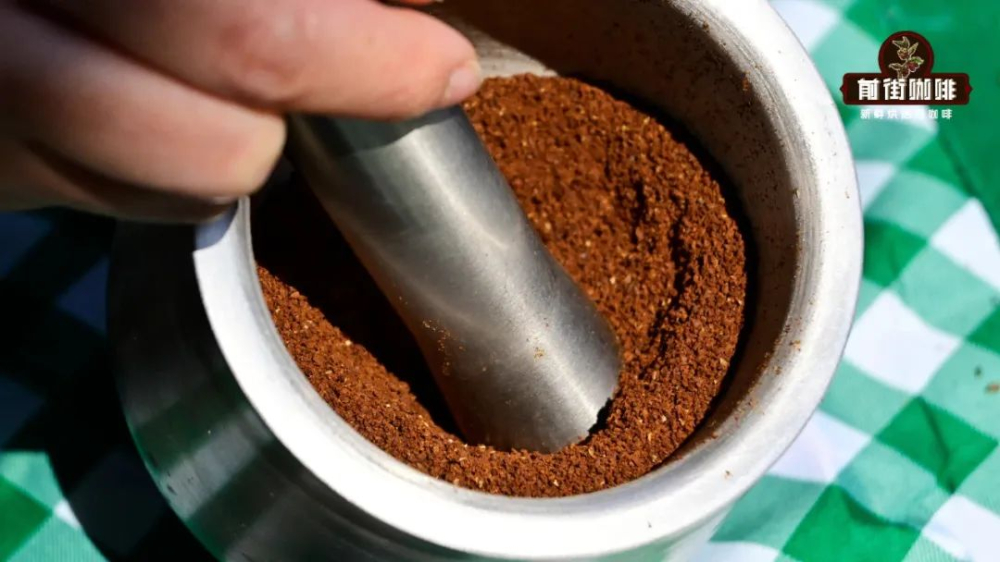
Once the green beans turn golden to dark brown and emit a strong roasted aroma, they can be ground into powder. Traditionally, Ethiopian households use stone or hand grinders to grind the beans into a fine powder, facilitating the subsequent brewing process. At the same time, some families may also choose to add a small amount of spices such as cardamom or cinnamon, gently crushing them with a wooden pestle to enhance the depth and warmth of the flavor.
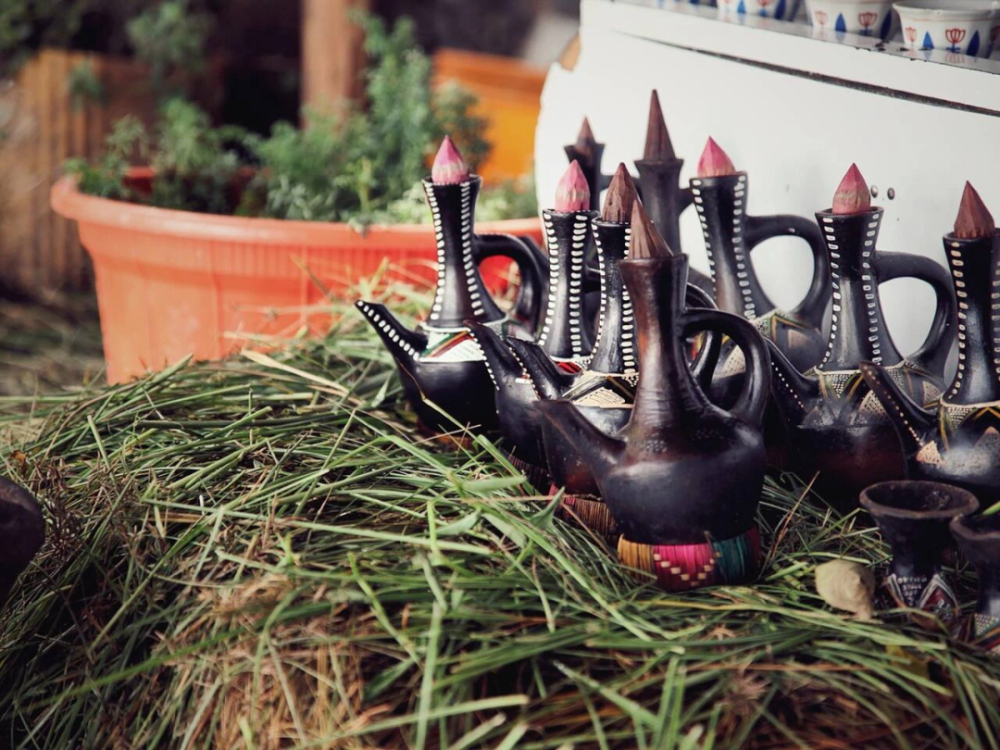
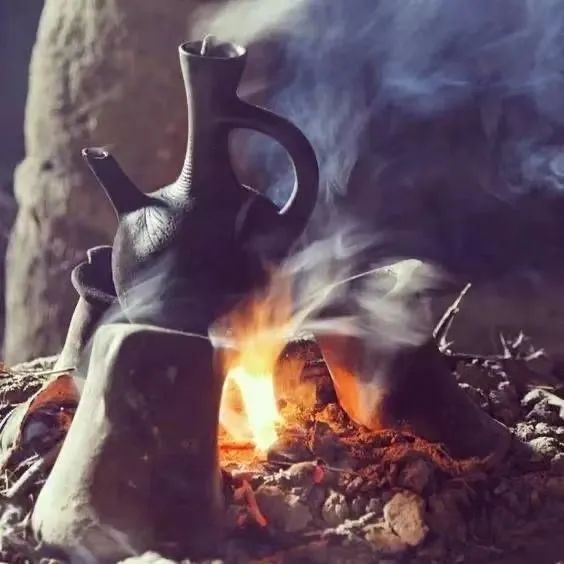
The ground coffee is then placed in a traditional clay pot called a “Jebena.” This pot has a wide base and a narrow neck, which helps the coffee heat evenly and concentrates the aroma. After pouring in water, the Jebena is placed over a low flame to slowly heat up. Care must be taken during this process to avoid excessive boiling, which could cause the loss of flavor. As the coffee nears boiling point, the heat is slightly reduced to allow the essence to slowly release.
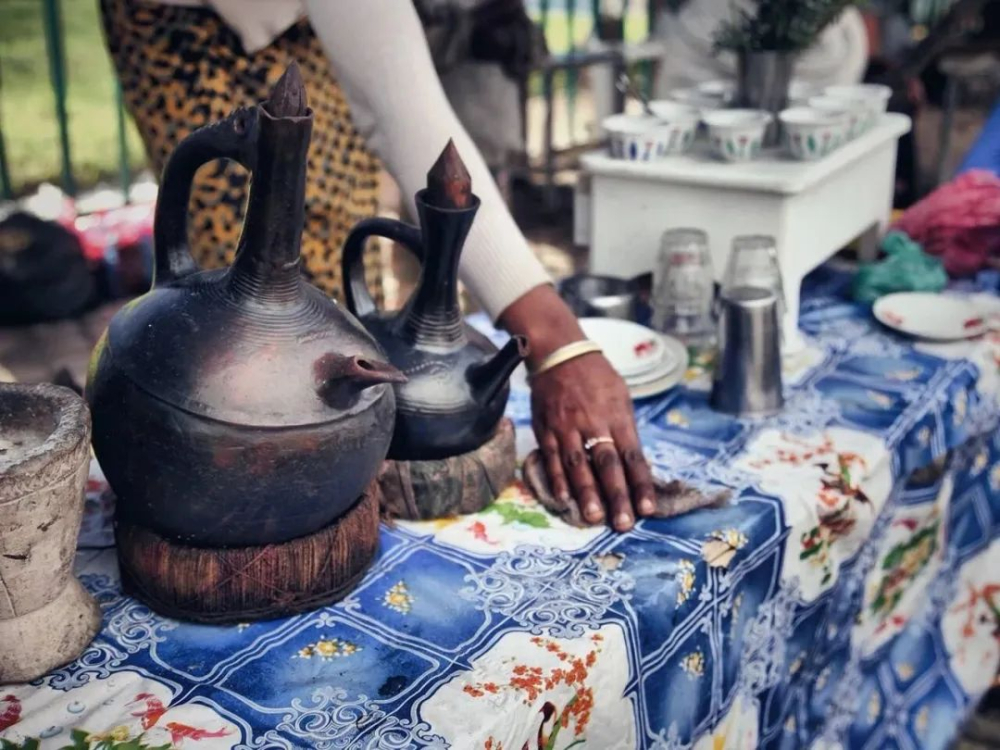
The first round of coffee is generally considered a “preheat” or “cleansing” brew—its flavor can be stronger and may carry a roasted impurity scent—so it is often discarded rather than served to guests. The focus lies on the second and third rounds, which are the true highlights of the formal serving. Between each round, there is a brief pause to let the coffee grounds settle, symbolizing respect and hospitality toward the guests.
The act of serving coffee is highly ceremonial, usually led by the eldest female family member. Each guest is served a small cup of coffee, called a “Cini,” which is tiny—about 50 milliliters in volume—symbolizing savoring and appreciation. During the drinking, it is common to enjoy roasted popcorn, nuts, or bread, enhancing the overall flavor layers and enjoyment.

Each of the three rounds of coffee has its own distinct flavor profile: the first is intense, with pronounced roasty notes; the second is balanced and fully expressive; the third is lighter but has a notable aftertaste, signifying the ceremonial conclusion. This method of serving tea (coffee) is more than just a beverage—it’s a generational expression of culture that emphasizes human connection and emotion.

If you wish to personally experience this traditional coffee ceremony, it is recommended to visit local family-run coffee houses in Ethiopia, or certain spaces dedicated to promoting specialty coffee culture, where you may also have the opportunity to take part in similar ceremonies. Through firsthand observation and tasting, you can gain a deeper understanding of how Ethiopians transform a daily drink into a meaningful, emotion-laden ritual.

In summary, Ethiopia’s coffee ceremony not only showcases the full journey from green bean to cup, but also conveys mutual respect and emotional connection between people. From washing the green beans and charcoal roasting, to slow brewing in a clay pot and serving the three rounds, every step is deeply meaningful—and is an essential part of understanding the country’s coffee culture.
The above content is compiled by CoffeeHunters, a coffee news website.


