







Introduction:Liberia is planning to revive the cultivation of Liberica coffee, a native variety with disease resistance and low caffeine content that was once interrupted by conflict. This unique coffee has the potential to become a new favorite in the global market. This article delves into the motivations behind the Liberian government’s push for agricultural transformation, analyzes the distinctive advantages of the Liberica variety, and explores how the country is seeking new opportunities amid the current global coffee supply-demand imbalance.
The Liberian government recently announced that it will restart the cultivation of Liberica coffee, known for its high disease resistance and low caffeine levels, as a key step in revitalizing the domestic coffee industry and promoting agricultural economic diversification. This West African nation was once a major global coffee exporter, and Liberica was one of the three major original coffee species alongside Arabica and Robusta. However, the long-term civil war from 1989 to 2003 nearly paralyzed the country’s coffee industry, which has remained dormant for many years. Now, against the backdrop of rising global coffee consumption and tightening supply, Liberia intends to leverage the unique characteristics of Liberica to re-enter the international market.
The incoming Minister of Agriculture of Liberia stated that within 100 days of taking office, he will comprehensively review the country’s National Agricultural Investment Plan (LASIP) to ensure that cash crops, including coffee, receive appropriate support and investment. He pointed out that although coffee has been listed as one of the priority development crops, it has not actually received specific policy or financial backing. This revival plan is not only about resuming production but also aims to align the variety’s strengths with international market demand to create new value for Liberian agriculture.
According to data from the International Coffee Organization, global coffee consumption grew by 3.3% in the 2021/2022 season, reaching a total of 170.3 million bags (each bag weighing 60 kilograms). However, by the 2022/23 season, global coffee production increased only slightly by 0.1%, to 168.2 million bags, clearly indicating a supply shortage. As climate change increasingly impacts traditional coffee-growing regions, many coffee-producing countries are beginning to seek more adaptable varieties. Liberica coffee, with its inherent strong disease resistance and lower caffeine content, aligns well with the market’s expectations for sustainable and healthy beverages, making it a key to Liberia’s comeback.
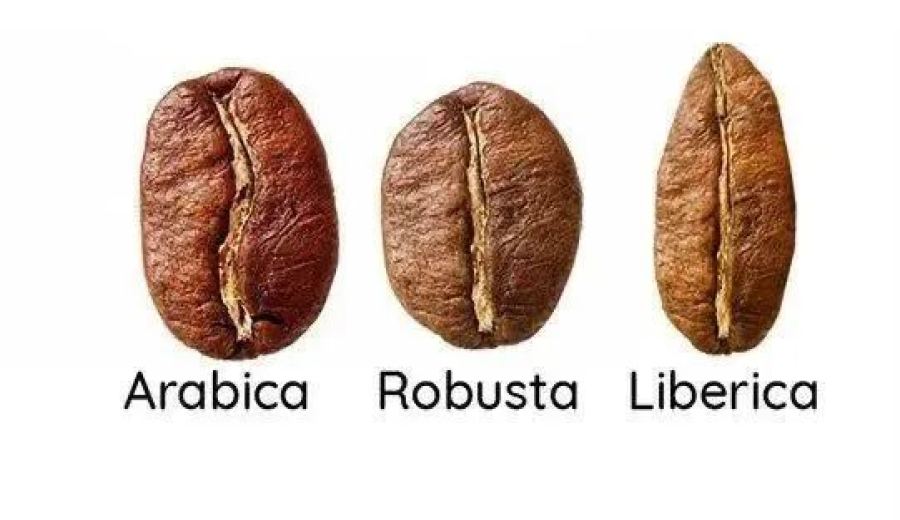
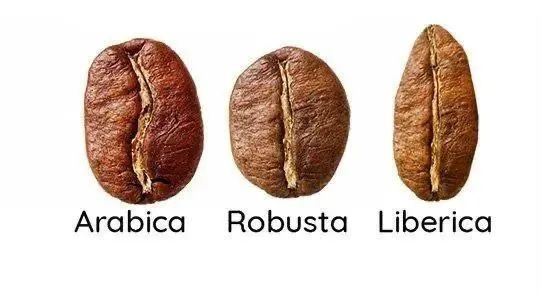
Although some Liberian coffee farmers have already received initial planting support, the country still has low visibility in the global market and requires further marketing and brand building. The appearance and flavor of Liberica coffee also differ significantly from the more common Arabica or Robusta. Its beans are larger and irregularly shaped, and when brewed, they often exhibit unique woody notes with subtle floral undertones, making it suitable for consumers who enjoy trying new or exploring niche flavors. However, due to its relatively strict growing conditions, mastering the appropriate cultivation environment and post-harvest processing techniques is key to success for novice farmers.
In the future, in addition to coffee, the Liberian government also plans to simultaneously develop other cash crops such as poultry, rice, cassava, cocoa, and rubber, enhancing overall economic resilience through agricultural diversification. The country’s agricultural department emphasizes that effective value chain interventions and infrastructure investments across various industries can help increase overall agricultural income and improve employment and livelihoods in rural areas.
Liberia’s path to coffee revival is full of challenges, but it also holds great potential. As the world places increasing emphasis on specialty coffee and sustainable agriculture, Liberica — a once-forgotten variety — may find its new place in this wave of transformation, while also offering consumers a different coffee experience.
The above content is compiled by CoffeeHunters, a coffee news website.


