







Introduction:Cross-industry collaborations between local cuisine and coffee are nothing new, but recently, a Ningbo barista’s creative use of spicy crab shells as drink containers has successfully sparked widespread discussion. This Ningbo Spicy Crab Latte presents itself in a uniquely eye-catching form. Though netizen reactions have been mixed, it also prompts reflection on new possibilities for combining food and coffee. This article delves into the inspiration behind this creative beverage, how it’s actually made, and the real opinions surrounding its flavor and ingenuity.
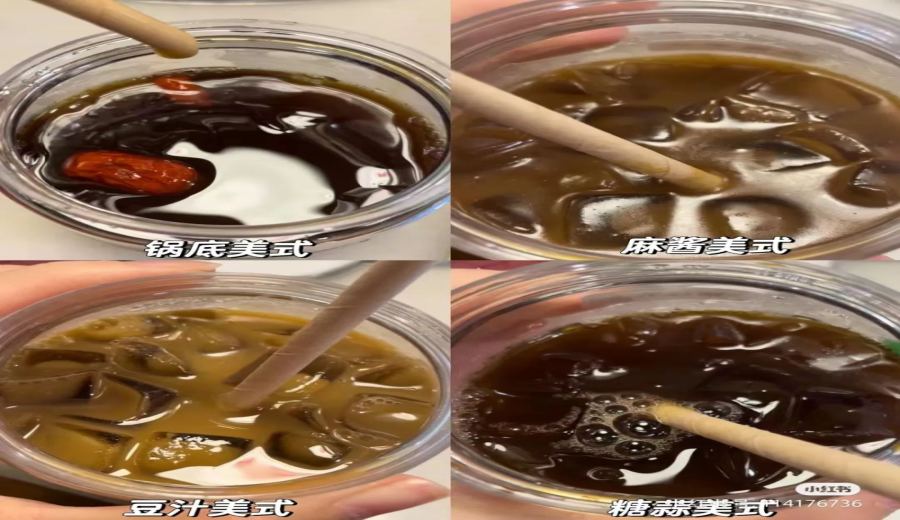
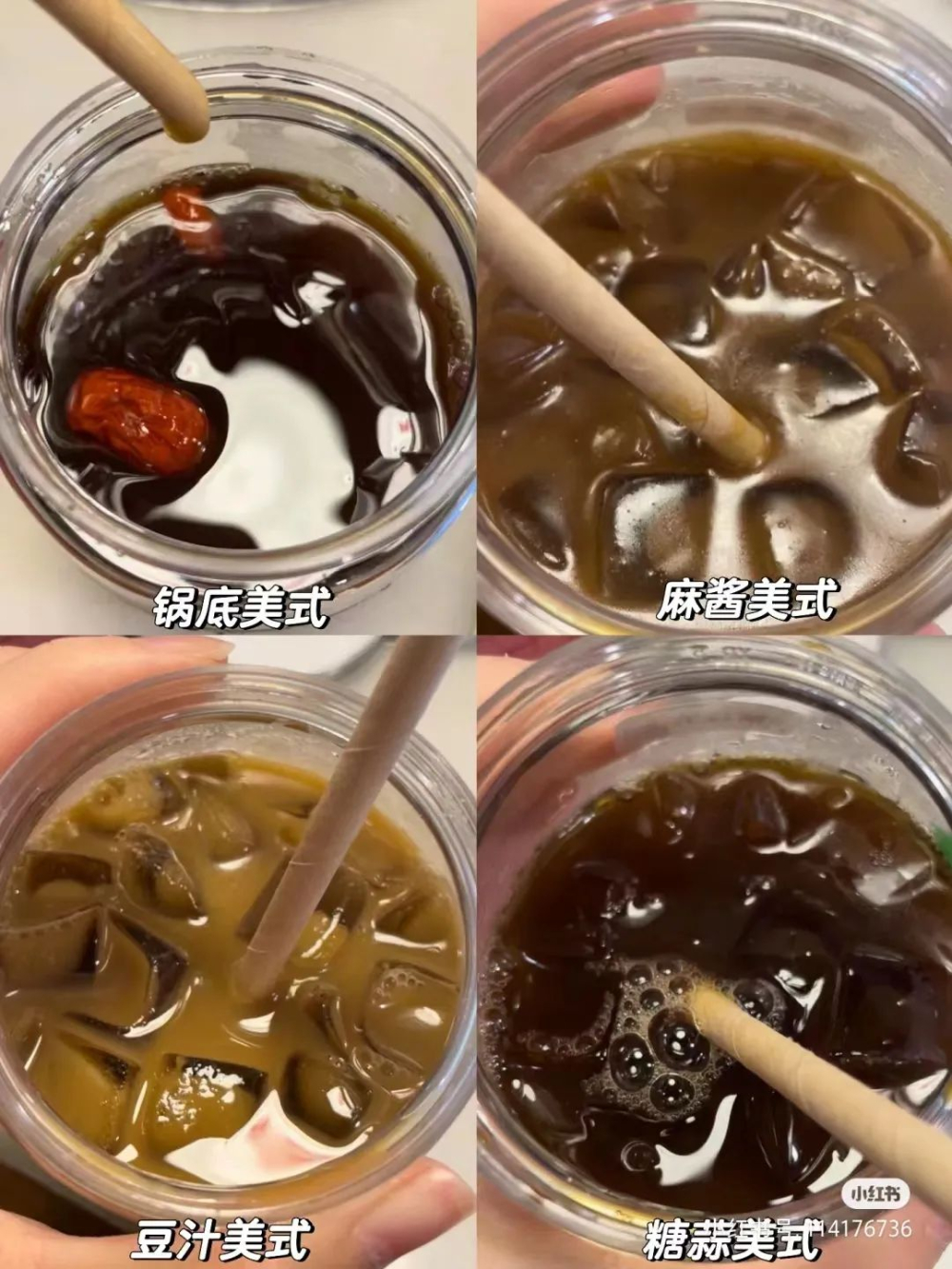
The world of creative coffee is never short of surprises, though it occasionally comes with controversy. From early attempts like soybean milk Americanos to stinky tofu lattes, baristas have strived to merge local specialties with coffee—often drawing polarized reviews due to clashing flavors. Nowadays, the trend is gradually shifting: rather than forcibly blending ingredients, creators are using local dishes as drink containers. Examples like green pepper lattes, fish ball lattes, and naan lattes have successively become popular photo spots.
Recently, a barista from Ningbo once again pushed sensory boundaries by launching a “Ningbo Spicy Crab Latte” served in a “spicy crab shell.” Inspired by the region’s famously pungent spicy crab, this creative drink directly uses cleaned crab shells to hold the latte, creating a striking visual effect. Yet it has also prompted many netizens to exclaim, “The people of Ningbo are outraged,” expressing concerns about food waste or oddly mismatched flavors.
In fact, according to leaked videos and observations by netizens, no crab meat or roe is added to the latte itself—the shell is purely used as a container. This design has softened the stance of some netizens, who feel that as long as no ingredients are wasted, such creativity remains within acceptable bounds. “If it tastes just like a regular latte but is served in a crab shell, I think it’s actually quite fun,” commented one netizen.
Some observers have pointed out that the Ningbo Spicy Crab Latte is like a “wife cake without the wife”—where the name and concept take precedence over actual flavor integration, with the main appeal lying in visuals and conversation value. For consumers who enjoy trying novel things while also caring about sustainability and ingredient utilization, the idea of reusing crab shells becomes a highlight. As long as properly cleaned, such creativity not only extends the life of the ingredient but also adds an element of fun to the drinking experience.
Looking back at past creative examples, such as Fuzhou’s fish ball lattes—which not only use fish balls as containers but also allow you to enjoy their chewy texture—or Xinjiang’s naan lattes, where latte art is poured onto naan bread and the flatbread can be eaten after the coffee, offering both satiety and creativity. These cases show that the fusion of food and coffee doesn’t necessarily require mixing flavors; using the food item itself as a vessel is another innovative direction.
Opinions on the Ningbo Spicy Crab Latte remain divided among netizens. Some believe such creativity is “too gimmicky,” worrying that seafood flavors might affect the purity of the coffee or trigger allergic reactions, bluntly stating, “Those with seafood allergies should think twice before trying.” But many others maintain an open-minded attitude, arguing that as long as there’s no waste and hygiene is ensured, such creativity deserves encouragement. “I’m curious what it actually tastes like—it must be pretty unique.”
Industry insiders point out that the key to creative coffee lies in balance—showcasing local characteristics without overly interfering with the intrinsic taste of the coffee. Using a crab shell as a container preserves the original flavor of the latte while giving the drink topical appeal and cultural connection. Future improvements could further enhance user experience—for instance, providing cleaning instructions or pairing it with small complementary snacks—to potentially boost the market viability of such innovations.
Overall, the emergence of the Ningbo Spicy Crab Latte has once again ignited public discourse on the cross-industry potential of “food × coffee.” Regardless of personal acceptance, such innovation brings a fresh perspective to the coffee market. For consumers, beyond just tasting the coffee, it offers an opportunity to witness the intersection of culture and creativity.
Whether you’re a coffee enthusiast or simply an explorer of creative beverages, the Ningbo Spicy Crab Latte is worth a look—at the very least, its debut has already stirred up a lively discussion on social media.
The above content is compiled by CoffeeHunters, a coffee news website.


