







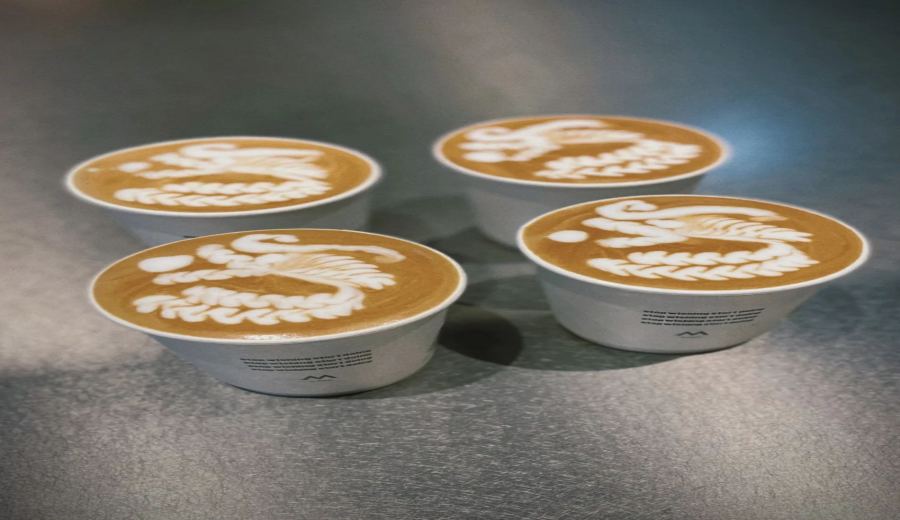
Introduction:Explore the creative evolution of Chinese-themed latte art in China, from classic heart and leaf patterns to intricate Chinese knots and Year of the Dragon themed designs. This article compiles a selection of representative latte art pieces, analyzing the technical breakthroughs from beginners to professional baristas, and sharing creative inspirations such as dragon heads and zodiac transitions. With practical tips and visual references, it helps you master the artistry of surface decoration.
In recent years, a wave of Chinese-style creativity has swept the world of latte art, with inspiration tracing back to promotional posters from a certain chain brand, which then sparked technical exchanges among professionals and enthusiasts. On social media platforms, baristas frequently share their latte art works and etching technique tutorials, especially in line with the Year of the Dragon theme, giving rise to many innovative designs that blend traditional imagery, fully showcasing the diverse possibilities of coffee surface decoration.
Observing recent works, from beginners’ first attempts at outlining dragon heads to clever designs that use cute rabbit shapes to mark the transition of the lunar calendar year, all reflect baristas’ interpretation of detail. With accumulated hands-on experience, many practitioners have become adept at controlling milk foam flow rate and pitcher angles, further challenging themselves with composite patterns that incorporate Chinese knot textures—techniques that require precise control over fluid dynamics and artistic composition balance.
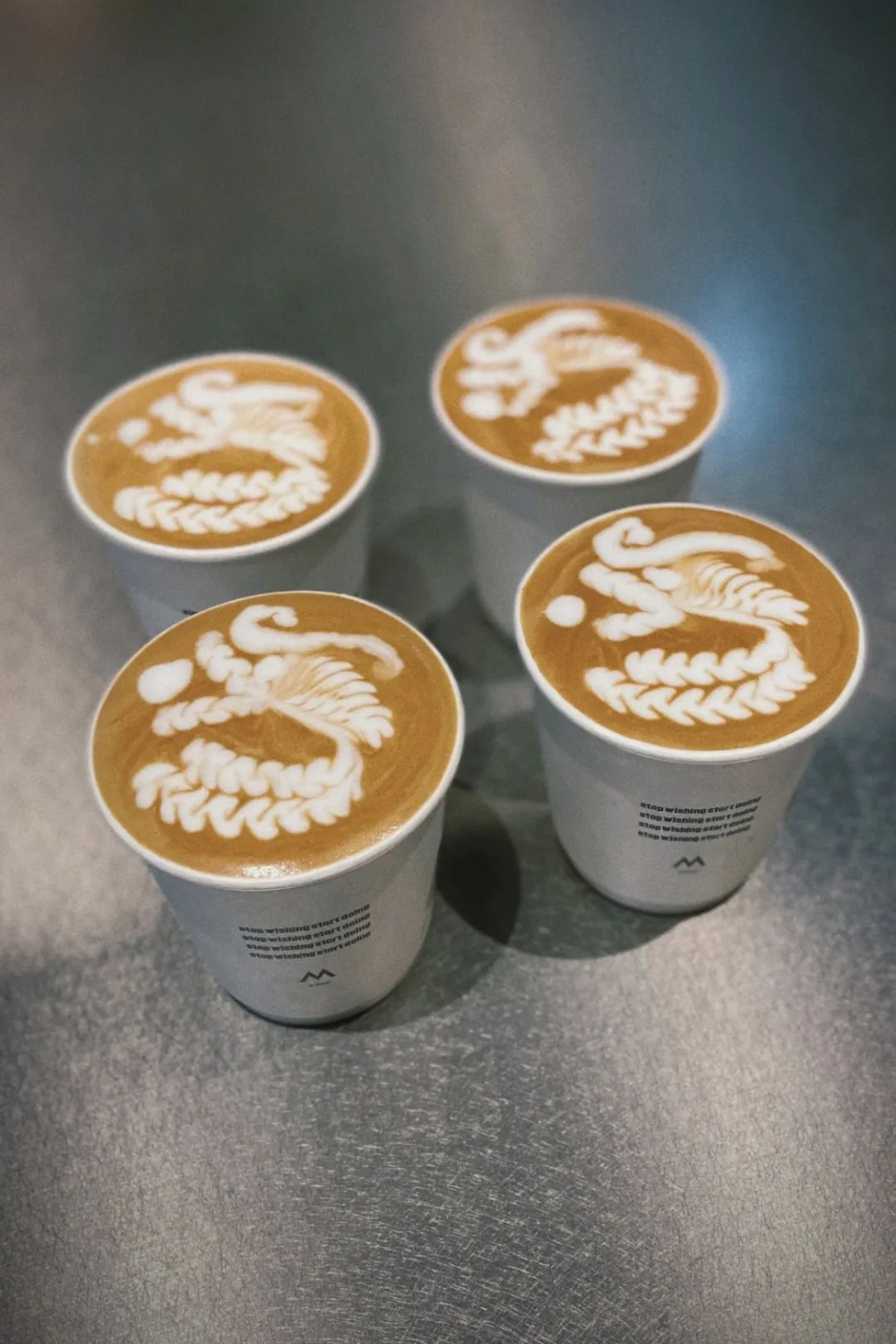
Looking back at the development history, early latte art techniques mostly focused on beginner-friendly graphics such as standard hearts and oval leaves. With the rise of specialty coffee culture, baristas around the world began to deepen their pursuit of surface art. Through repeated practice in adjusting milk foam texture (it is recommended to maintain a microfoam layer of 3–5 mm thickness) and planning pouring trajectories, a layered flower pattern system gradually emerged, while etching techniques also gained more attention during this process.
Modern latte art is truly a comprehensive embodiment of technique and aesthetics. From simple heart outlines to complex Chinese structural patterns, and even to Year of the Dragon themed creations incorporating zodiac elements, each design must consider the coordination between coffee crema’s stretchability and the milk flow rate. Notably, advanced creations often involve multi-layer stacking techniques—for example, establishing a base graphic before layering detailed patterns—this process requires strict control over the pitcher’s movement speed and tilt angle.
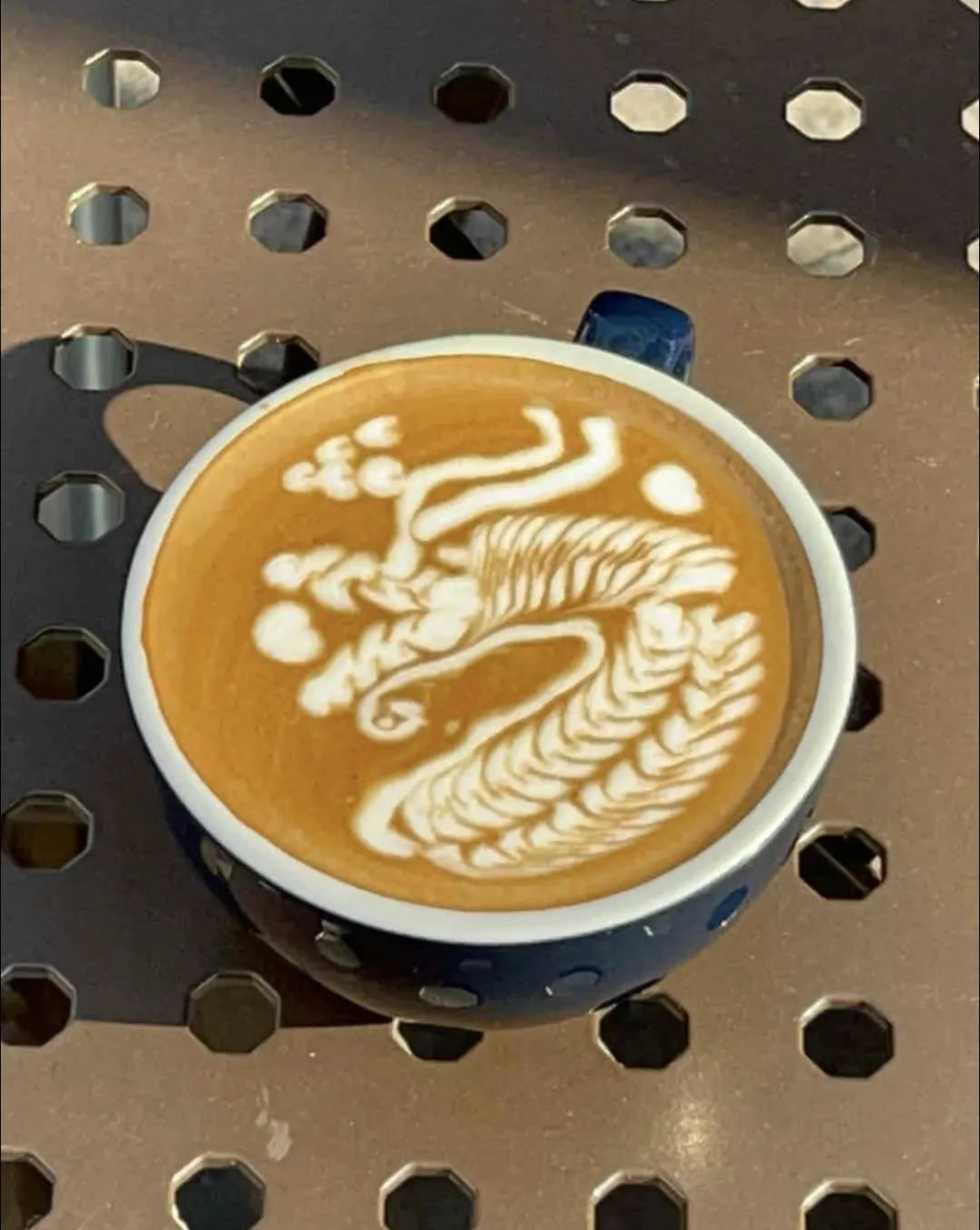
In practical operations, it is recommended that beginners first familiarize themselves with basic fluid control—keeping the milk temperature within the 60–65°C range and ensuring the steam wand produces fine, dense microfoam (the foam should appear glossy with no large bubbles). Once the basic heart latte art is stable, you can try incorporating curved elements to construct leaf textures, then further transition to the more symmetrical beginnings of a Chinese knot. For Year of the Dragon special patterns, pay attention to the rhythm of scale arrangement and the dynamic expression of the dragon’s whiskers.
Multiple works circulating on social media platforms show creators skillfully using negative space concepts to enhance the three-dimensionality of graphics—for example, by deliberately leaving backgrounds blank to highlight the outline of the main subject. For dragon head designs, the key lies in the treatment of focal points around the eyes and the control of sharpness in horn lines; while zodiac transition themes often employ transitional elements (such as the rabbit design mentioned in this article) to achieve smooth shifts in yearly imagery.
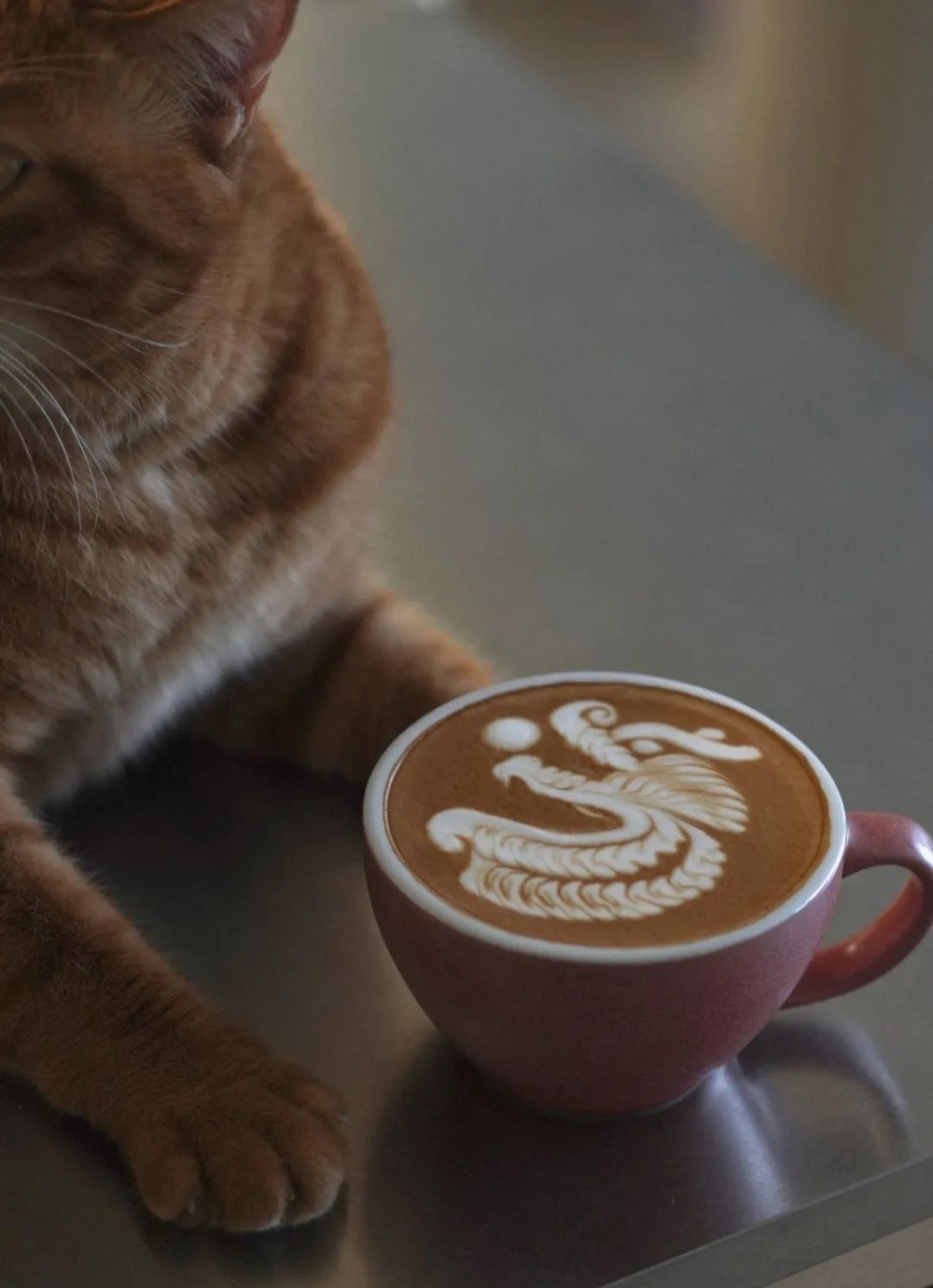
From a technical perspective, complex etching requires integrating three core competencies: first is the management of milk foam stability (ideally, foam particle size should be less than 0.5 mm), second is arm stability training (it is recommended to use auxiliary practice tools to reinforce muscle memory), and third is aesthetic composition logic. Observing advanced works reveals that most successful designs follow the golden ratio division and enhance thematic expression through contrasting colors (such as dark roasted beans and light-colored latte art creating visual differentiation).
These creations not only reflect the professional skills of baristas but also showcase the infinite potential of beverage visual presentation. Each pattern embodies an understanding of fluid physics as well as a modern interpretation of cultural symbols. As techniques continue to advance, we can expect to see more high-quality latte art pieces that combine local elements with innovative techniques in the future.
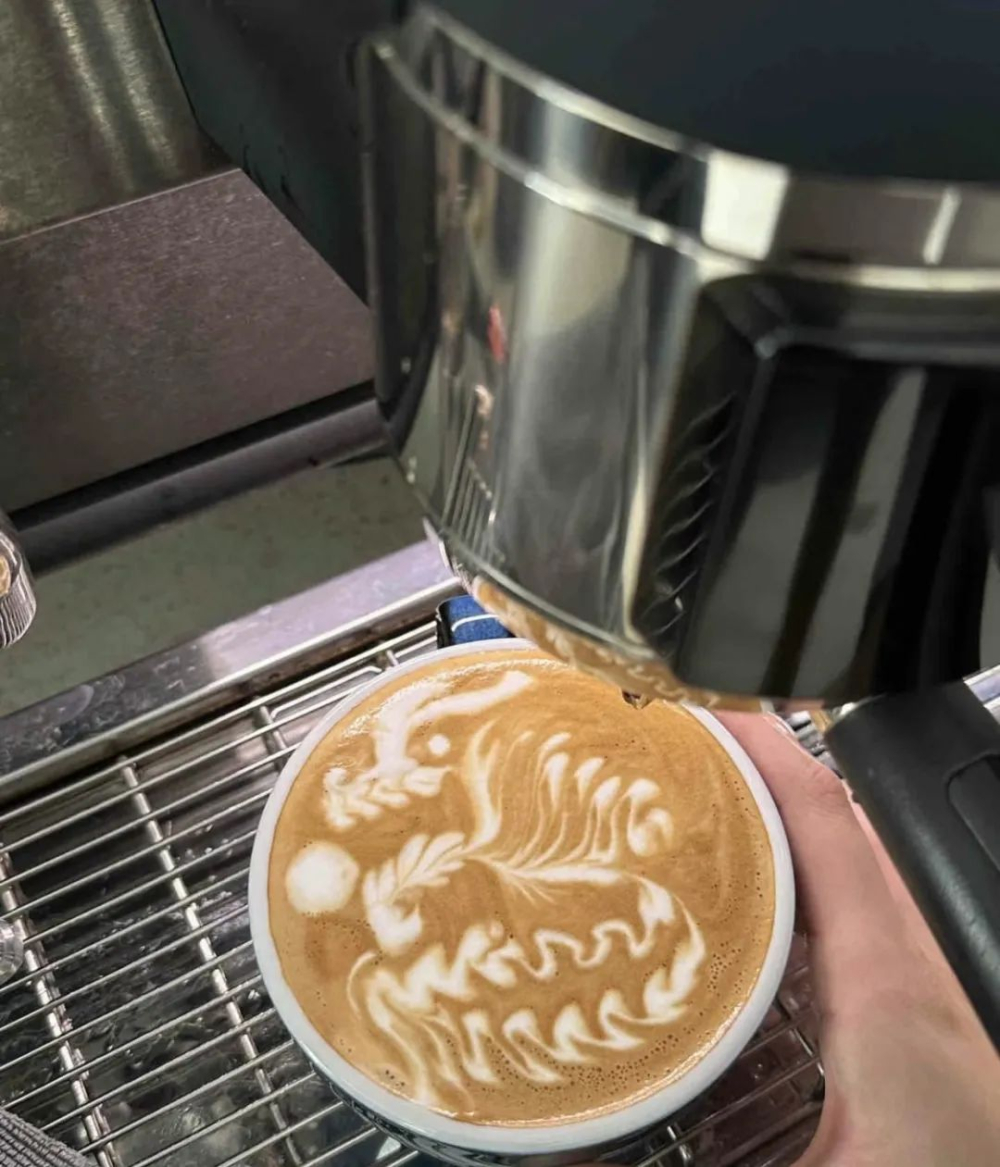
Through systematic practice and creative thinking, latte art has evolved from a mere decorative function into an independent art form. Whether it’s the heart-shaped beginnings by beginners or the Chinese knot composite totems at the professional level, all bear witness to the evolutionary journey of beverage surface art. These works not only provide visual enjoyment but also add a unique sense of ritual and cultural depth to the coffee experience.
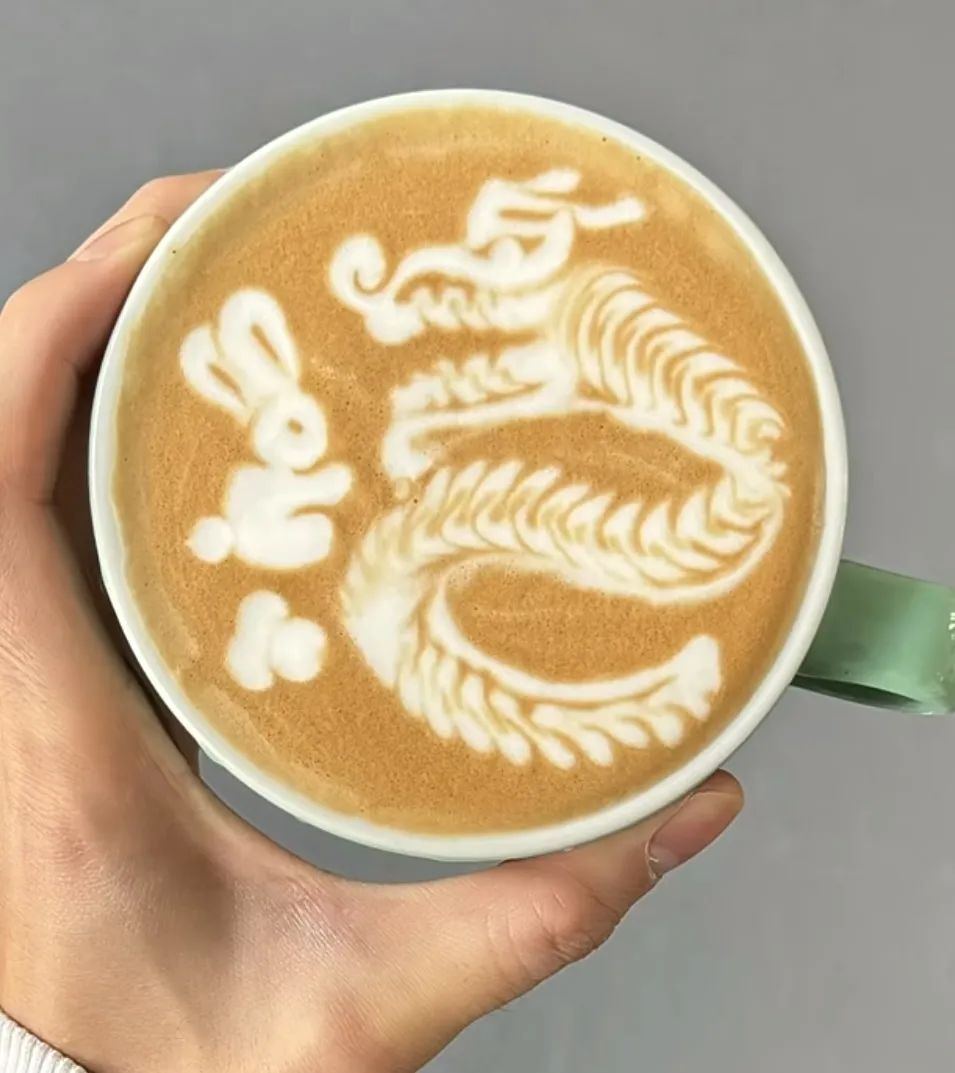
The above content is compiled by CoffeeHunters, a coffee news website.


