







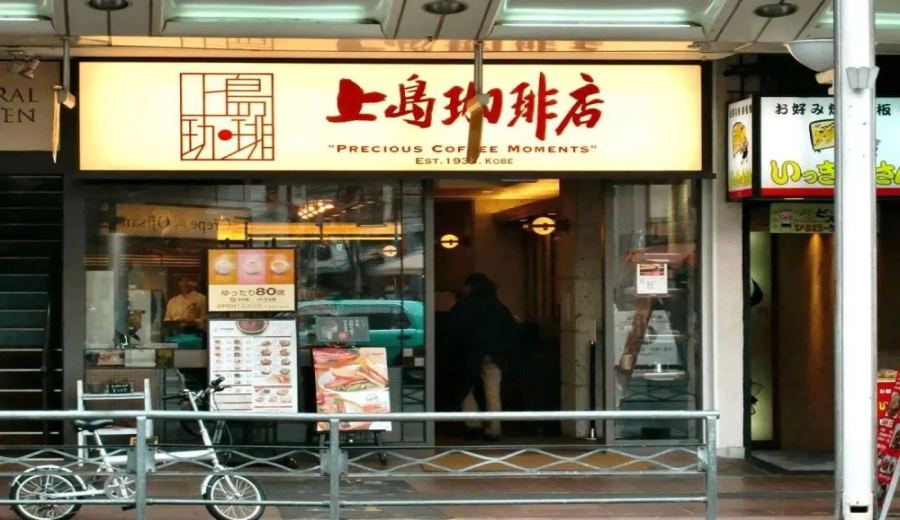
Introduction:Once a symbol of middle-class Western dining initiation, UBC Coffee now features Chinese dishes such as bitter melon spare ribs soup with pasta and farmhouse chicken on its menu. The extent of its localization transformation even surpasses that of international chain brands. This article delves into its evolution from a high-end Western restaurant to a down-to-earth dining space, explores the market strategies behind its menu adjustments, and also reveals practical operational challenges such as a loosely managed franchise system and non-interoperable membership cards.
Remember UBC Coffee, which once felt unattainably upscale? For those born in the 70s and 80s, it was not only an introductory venue to Western dining culture but also an important choice for gatherings with family and friends. However, in recent years, the menus at its outlets across the country have undergone astonishing changes: branches in Guangdong offer bitter melon spare ribs soup paired with pasta, while stores in Shanghai sell completely Chinese dishes such as farmhouse chicken and steamed perch, achieving a level of localization that even KFC and Pizza Hut struggle to match.
This transformation is no accident. UBC Coffee originated in Taiwan and entered the mainland market in 1997 through its Hainan outlet. In its early stages, it rapidly expanded its number of stores thanks to a unique business model. Some sources indicate that its brand name can be traced back to Japan, but it was later popularized by its Taiwanese founder, Chen Wenmin. However, as competition in the coffee market intensified and major chain brands joined the fray, UBC Coffee chose to adopt a strategy of integrating Chinese culinary elements as a means of differentiation.
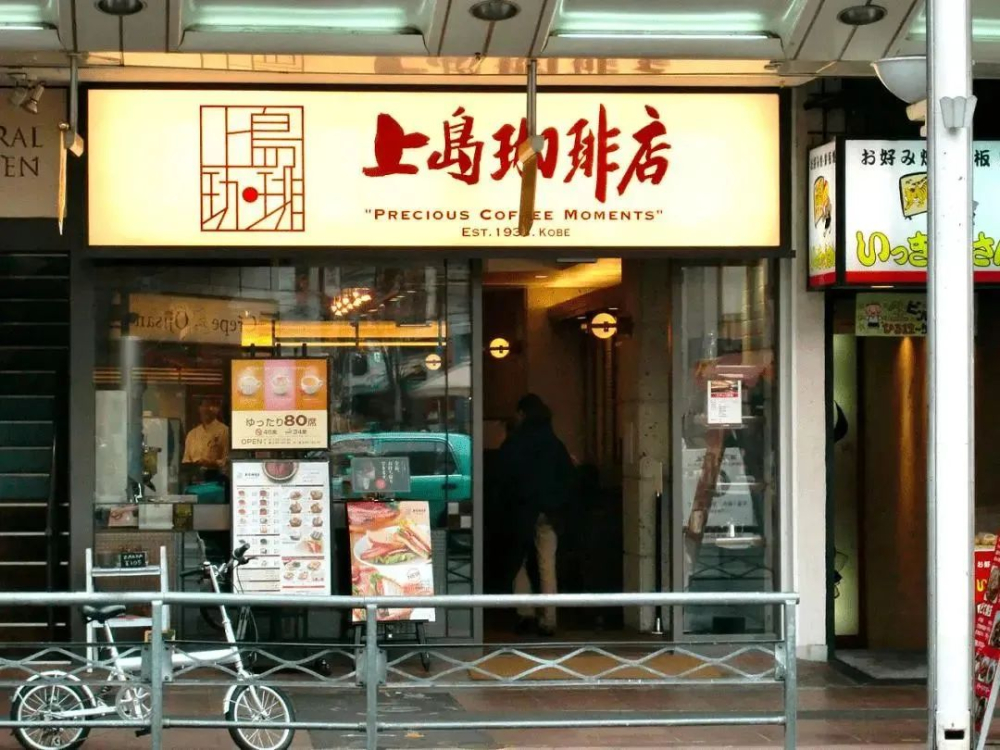
Observing the actual menus at various outlets, the execution of its localization strategy is extremely thorough. Stores in the Guangdong region combine pasta with bitter melon spare ribs soup—a seemingly conflicting pairing that has become a localized specialty. Shanghai outlets go even further by directly offering completely Chinese dishes such as farmhouse chicken and “Three Delicacies with Lingering Flavor,” leaving many consumers exclaiming that they “thought they had walked into the wrong restaurant.” This shift reflects the brand’s efforts to cater to local tastes and highlights its flexible adaptability in the face of market changes.
In fact, this strategy of blending Chinese cuisine is not a new experiment. According to industry observers, about a decade ago, some long-established outlets began incorporating Chinese dishes. As consumer demand for dining diversity increased, the inclusion of Chinese culinary elements in cafes gradually became a trend. It is worth noting that UBC Coffee’s transformation may involve both proactive innovation and passive survival strategies.

A closer look at its business model reveals issues with the management of its franchise system. It is understood that after paying franchise fees, franchisees mainly obtain brand authorization. The headquarters provides initial raw materials, but subsequent operations rely almost entirely on the individual franchise owners for management. This model has directly led to inconsistent service quality across outlets nationwide and has also resulted in the serious inconvenience of non-interoperable membership cards—cards issued at one branch can only be used at that specific location. These practical problems severely impact brand consistency and customer experience.
In the current highly competitive coffee market environment, many brands, including UBC, have adopted a “coffee + food” composite business strategy. Independent brands that focus on coffee quality, on the other hand, maintain their market position through stable product performance. For chain brands aiming to transform, how to effectively manage the franchise system and provide a consistent consumer experience while preserving the brand’s core values will be key factors determining future development.
The above content is compiled by CoffeeHunters, a coffee news website.


