








Introduction:Combo coffee has become a hot topic of discussion among coffee enthusiasts in recent years, but this method of enjoying one coffee bean in two or even more ways isn’t something that can be easily achieved by simply splitting the flow. This article delves into the origins of Combo, its drinking concept, operational challenges, common misconceptions, and also shares a professional perspective on why some cafes still choose not to offer this drink—helping you better understand the professional expertise behind it.
In recent years, Combo coffee has sparked a wave of enthusiasm among coffee lovers. Many customers walking into coffee shops often curiously ask, “Do you have Combo?” Some assume that Combo is merely about using a split portafilter to extract two espressos at once—one with milk and one with water—and that’s it. But is it really that simple? This article will take you through the origin background, drinking logic, and production challenges of Combo, giving you a comprehensive understanding of this multi-drink espresso format made from a single bean, and analyzing why some well-known cafes have yet to introduce this product.

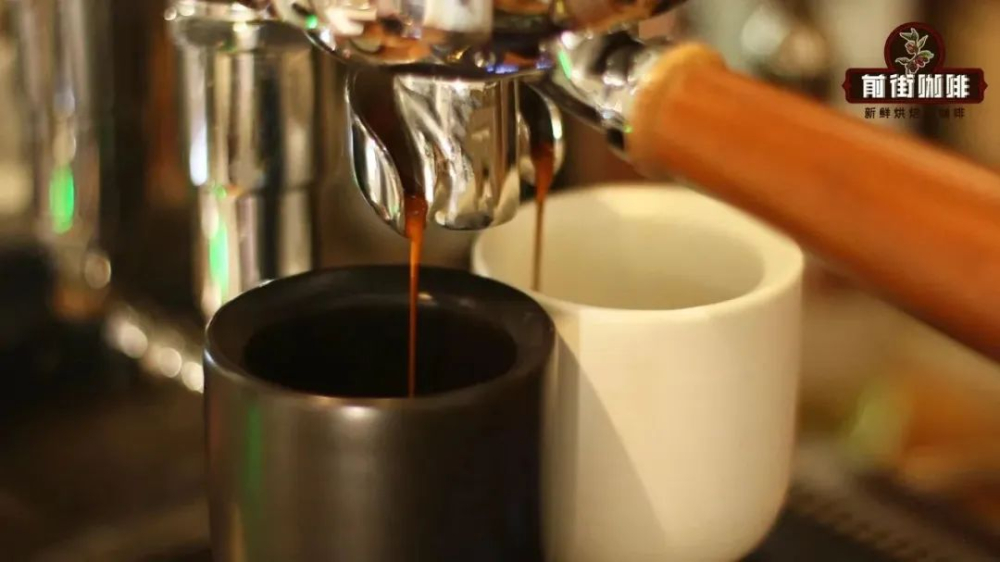
The term Combo is actually short for “Coffee Combo,” referring to a combined serving method that blends multiple types of coffee drinks. The basic approach is to use the same batch of coffee grounds and extract 2 to 3 shots of espresso either simultaneously or separately using a split portafilter, then craft them into different flavor profiles such as black coffee, milk coffee, or even incorporating special elements. In short, it’s one bean, two or even more ways to enjoy, allowing customers to experience a variety of flavor expressions in a single order and satisfying different taste preferences.
Currently, most Combo offerings on the market focus on a “one black, one white” combination—that is, one pure espresso or Americano paired with one milk coffee, with each cup usually around 150 milliliters in volume. There are also advanced versions that divide the espresso into three parts to create a creative specialty drink, making the whole presentation look refined and fun. Even after having all three cups, the caffeine intake remains moderate, making it ideal for consumers who want to explore various flavor dimensions of coffee.
But if you think Combo is just about technical splitting and adding ingredients, you’re underestimating its complexity. The concept of Combo actually originates from the World Barista Championship (WBC). In the competition, each participant has only 15 minutes to present a range of drinks—including espresso, milk coffee, and a signature beverage—to judges, showcasing their comprehensive understanding and presentation skills of coffee. Therefore, Combo is not just a type of drink, but also a way to showcase the potential of a coffee bean.
Combo is closely tied to the “terroir expression” emphasized by the third wave of specialty coffee, which focuses on the details of a coffee bean’s origin, variety, cultivation methods, and processing techniques to highlight the unique aroma and layers of each bean. To bring out these subtle flavors, Combo typically uses medium-to-light roasted coffee beans, or even directly employs Single Origin Espresso (SOE) beans, reducing the intense smoky notes brought by dark roasts and making floral, fruity, herbal, or citrusy notes more prominent.

Coffee beans from different regions and processed in different methods—even when using the same medium-to-light roast—can exhibit vastly different flavor profiles. Some beans are better suited for black coffee, showcasing bright and layered acidity, while others are more compatible with milk, bringing out sweetness and a rich texture. Therefore, when crafting Combo, baristas need to pay special attention to whether the bean can perform well in both black coffee and milk coffee, selecting varieties with balanced flavors and stable expression. Generally, it’s recommended to choose beans with rich aroma and distinct character, so they can shine in both preparation methods.
However, the hardest part about Combo is: how to ensure that the same shot of espresso, whether consumed directly, diluted with hot water into an Americano, or mixed with milk into a latte or piccolo, can all deliver consistent and outstanding flavors. One cafe once tried to make a set of hot Americano and piccolo using a split portafilter, employing the Nuanyang blend. That day’s extraction parameters were 20 grams of coffee grounds yielding 40 grams of liquid in approximately 28 seconds, with each split shot being around 20 grams of espresso. The hot Americano was made with an 1:4 ratio by adding 80 milliliters of hot water, while the piccolo used a 1:2 ratio with about 40 milliliters of milk foam.
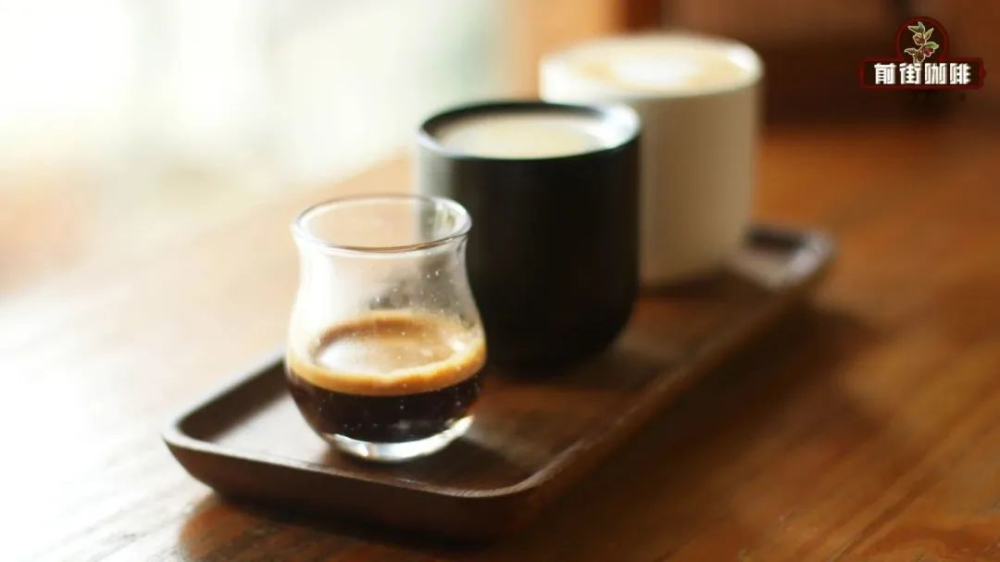
Upon actual tasting, it was found that the hot Americano made from a single shot of espresso had a more muted flavor, with subdued aroma but still faintly revealing notes of whiskey and vanilla cream. On the other hand, the piccolo exhibited clear aromas of butter cookies and chocolate, and the milk and coffee integrated smoothly. This shows that to allow each cup in a Combo to shine, one cannot simply follow traditional extraction ratios—adjustments tailored to the characteristics of each drink are needed. For example, lowering the coffee-to-water ratio for the Americano, extending extraction time, or adjusting the milk proportion—but such adjustments often affect the performance of the other cup. Hence, repeated testing and trade-offs are required.
Overall, Combo may seem like a simple combination of splitting and adding ingredients, but it actually demands a high level of mastery from the barista in terms of extraction parameters, bean characteristics, and flavor balance. Precisely because the challenge is significant—and considering that a certain cafe mainly uses the Nuanyang blend, a versatile bean that can handle Combo but would require developing a dedicated and stable extraction formula just for it—in a context of limited daily output, the input does not justify the return. Therefore, this service has not been introduced for now.
The above content is compiled by CoffeeHunters, a coffee news website.


