







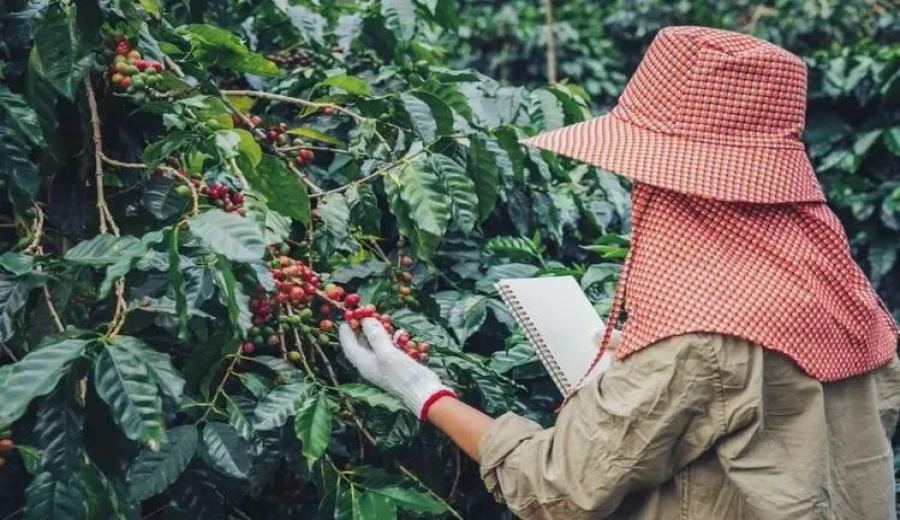
Introduction:Global robusta coffee prices have soared to a 28-year high. As the world’s leading supplier, Vietnam is facing mounting pressure due to poor harvests and rising transportation costs, prompting coffee farmers to demand renegotiation of previously low-priced contracts. This supply crunch not only drives up market prices but may also affect consumers' purchasing choices and coffee experience. This article takes you through the underlying reasons, market changes, and potential future impacts.
Global robusta coffee prices have recently hit a 28-year high, putting immense pressure on Vietnamese farmers and producers — the world’s largest suppliers of robusta. The 2022/23 harvest season performed poorly, marking the worst year in six years. Many coffee growers refused to deliver beans at previously agreed low contract prices and instead demanded price renegotiations, further tightening global supply.
According to the Vietnam Coffee - Cocoa Association, the price of raw coffee in the Central Highlands has recently surged to VND 800–810 million per ton, setting a historical record. With global demand still strong, supply has failed to keep pace, putting greater procurement pressure on key markets such as Europe.
Vietnam's coffee harvest in the 2022/23 season saw a significant decline, and some contracts were even postponed to the 2023/24 season. However, actual farmer yields fell short of expectations, making it extremely difficult to fulfill previously agreed supply volumes with the limited harvest. As a result, producers and coffee growers are actively seeking to renegotiate contract terms with traders.
An anonymous Vietnamese coffee farmer admitted that while he wouldn't violate the spirit of the contract, renegotiating prices with buyers amid soaring market rates is a reasonable choice. “We will only consider releasing our coffee beans when buyers offer satisfactory quotes,” he explained.
Initially, these fluctuations in price and supply were limited to local distributor levels, but as conditions worsened, they gradually spread to the broader international market, further straining the global supply of robusta coffee. Traders have observed that a significant portion of pre-sold Vietnamese coffee from the previous season faced delivery delays. While most have since been fulfilled, available inventory for the current season is rapidly depleting, driving market prices even higher.
Some traders also report that, despite holding formal contracts, it has become increasingly difficult to find Vietnamese suppliers willing to honor original prices. And considering litigation costs, many choose to forgo legal action.A European trader revealed that he ordered Vietnamese coffee last August for delivery in November and December, but ultimately received only 20% of the agreed amount — and at the time, the contracted price was about 20% lower than local market rates.
Beyond production issues at origin,the Red Sea shipping crisis is also a major contributing factor.Disruptions in shipping routes have led to a sharp rise in maritime transport costs for coffee beans, further increasing importers' overall expenses. As a result, many traders are reducing their purchases of Vietnamese robusta and turning to Brazil as an alternative source, hoping to alleviate the pressure of market supply-demand imbalance.
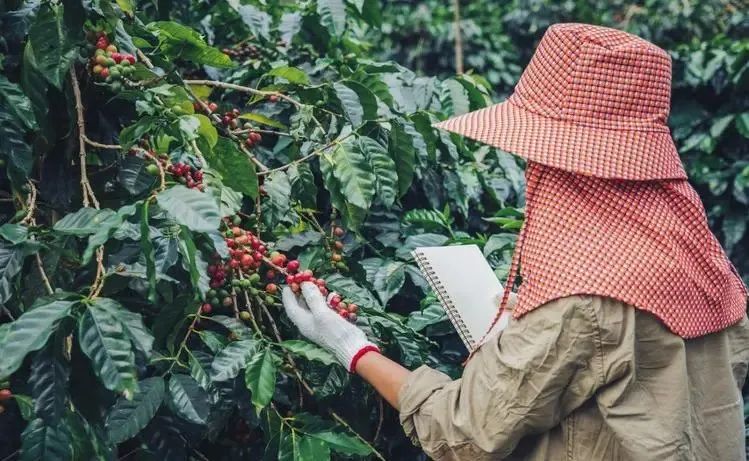
The industry generally expects that if climatic and regional conditions remain stable,the supply and price of robusta coffee could gradually stabilize by mid-2024.However, until then, consumers may notice price fluctuations or changes in product availability in the market.
Faced with uncertainties at origin, many specialty coffee brands are closely monitoring supply chain dynamics, striving to maintain product quality and supply stability amidst volatility. For coffee enthusiasts, understanding these market shifts can help make more informed purchasing decisions — whether choosing beans suitable for pour over or exploring the diverse flavors of robusta products.
The above content is compiled by CoffeeHunters, a coffee news website.


