








Introduction:Yemeni Mocha coffee is renowned for its intense chocolate, blueberry, and red wine undertones, paired with a bold and distinctive flavor profile. All of this is closely tied to its unique geographical environment and ancient natural sun-drying processing method. This article delves into how Yemen became the birthplace of coffee trade, explores how local coffee farmers use primitive yet ingenious sun-drying techniques to create this highly recognizable coffee, and examines the evolution of modern processing methods and its market prospects.
Yemeni Mocha coffee, with its rich notes of chocolate, blueberry, and red wine, along with an intense, wild, and full-bodied character, has long been a one-of-a-kind presence in the hearts of coffee enthusiasts. This love-it-or-hate-it flavor personality is inseparable from Yemen’s harsh arid climate and the centuries-old traditional sun-drying method. In this article, we will explore how Yemen became the starting point for coffee’s global journey, how local farmers process coffee cherries in an almost primal way, and how this ancient technique gives rise to such distinctive coffee flavors.

Although located in Asia, Yemen is separated from Africa’s Ethiopia by only a narrow strait. Yemen’s pivotal role in coffee history is largely due to its port city, the “Port of Mocha.” For three hundred years starting in the 17th century, global coffee trade flowed almost exclusively through Yemen’s Mocha Port. Coffee beans exported from here were labeled “MOCHA” to certify their authentic origin — this is also the origin of the term “Mocha coffee.”
The fascination with Yemeni coffee stems not only from its long trading history but also from its truly unique flavor characteristics. It is this irreplicable taste that propelled coffee onto the world stage and created the immortal legend of Yemen Mocha.
In fact, Yemen is not only a key node in the spread of coffee but also the first country in the world to cultivate coffee as a cash crop on a large scale. Early on, Yemenis did not consume coffee as a daily beverage but instead boiled the whole coffee fruit (including pulp and seeds) together with cardamom or ginger to make a drink called “qahwa,” which was deeply loved by locals. It wasn’t until around 1450 that Muslims first truly drank pure coffee to stay awake during nighttime prayers. This habit quickly spread, leading to a surge in coffee demand in Yemen and prompting the beginning of large-scale coffee cultivation.
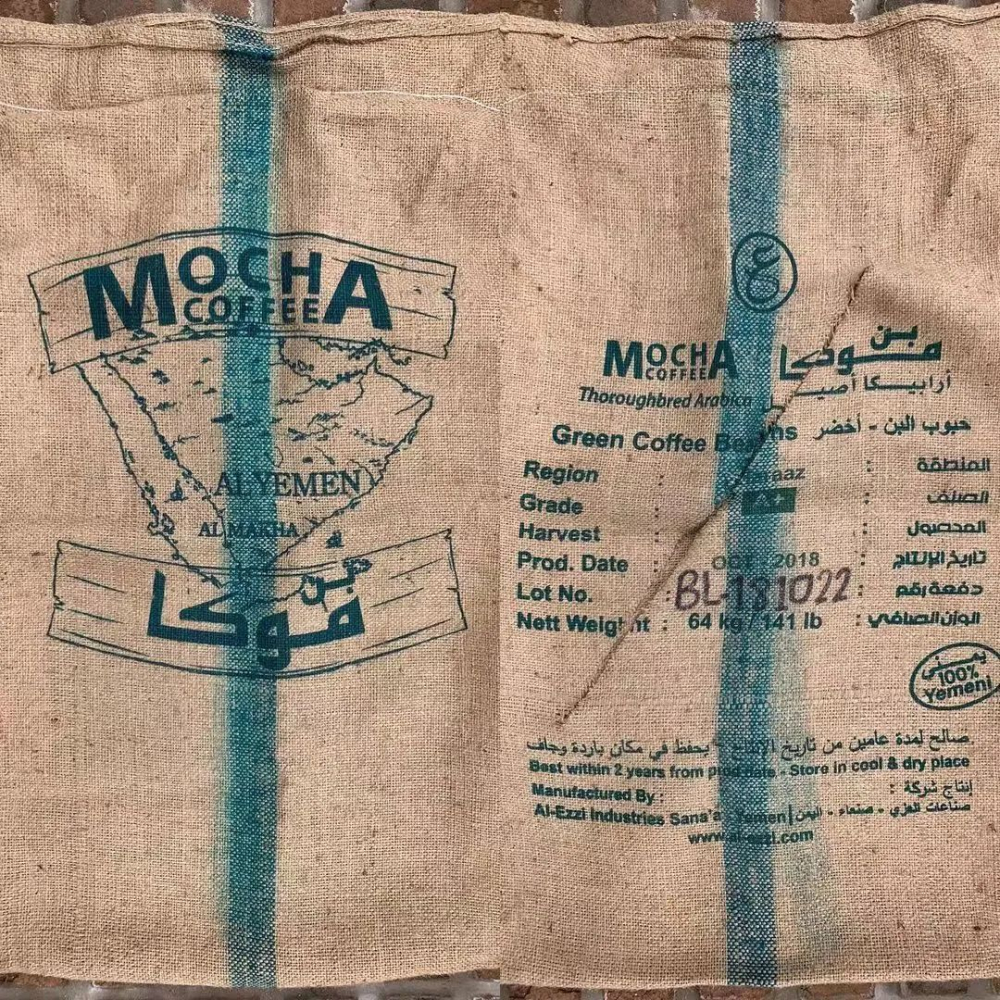
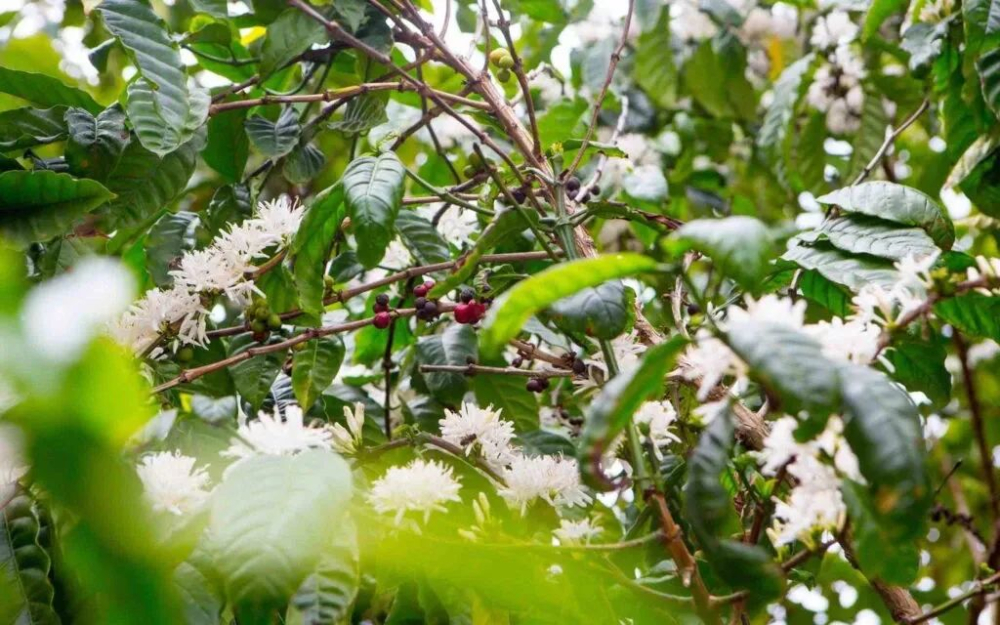
However, Yemen’s natural environment poses extreme challenges for coffee cultivation. The climate here is extremely dry, with only a short rainy season each year, and most areas consist of barren land and desert terrain. Coffee trees are mostly planted on steep mountain slopes. Compared to the 1500–2000 mm annual rainfall typically required by Arabica coffee, Yemen receives only 400–750 mm per year, making water scarcity all too apparent. Such an environment makes traditional water-intensive processing methods nearly impossible to implement, but it has also given rise to a uniquely distinctive coffee flavor.
When it comes to Yemeni coffee, people often think of its intense chocolate and blueberry aromas, as well as its wild, full-bodied taste with red wine-like undertones. Interestingly, the neighboring Ethiopian Harrar region, also adjacent to Yemen, often exhibits similar flavor characteristics in its coffee. As a result, during the peak popularity of Yemen Mocha, many consumers even suspected that some Yemeni coffee on the market might be blended with Harrar beans to reduce costs.
The key to creating all these unique flavors lies in Yemen’s distinctive “ancient natural sun-drying method.” Due to geographical and climatic constraints, Yemeni coffee farmers can only rely on sun-drying to process coffee cherries, but the method they use is vastly different from the common sun-drying techniques seen today.
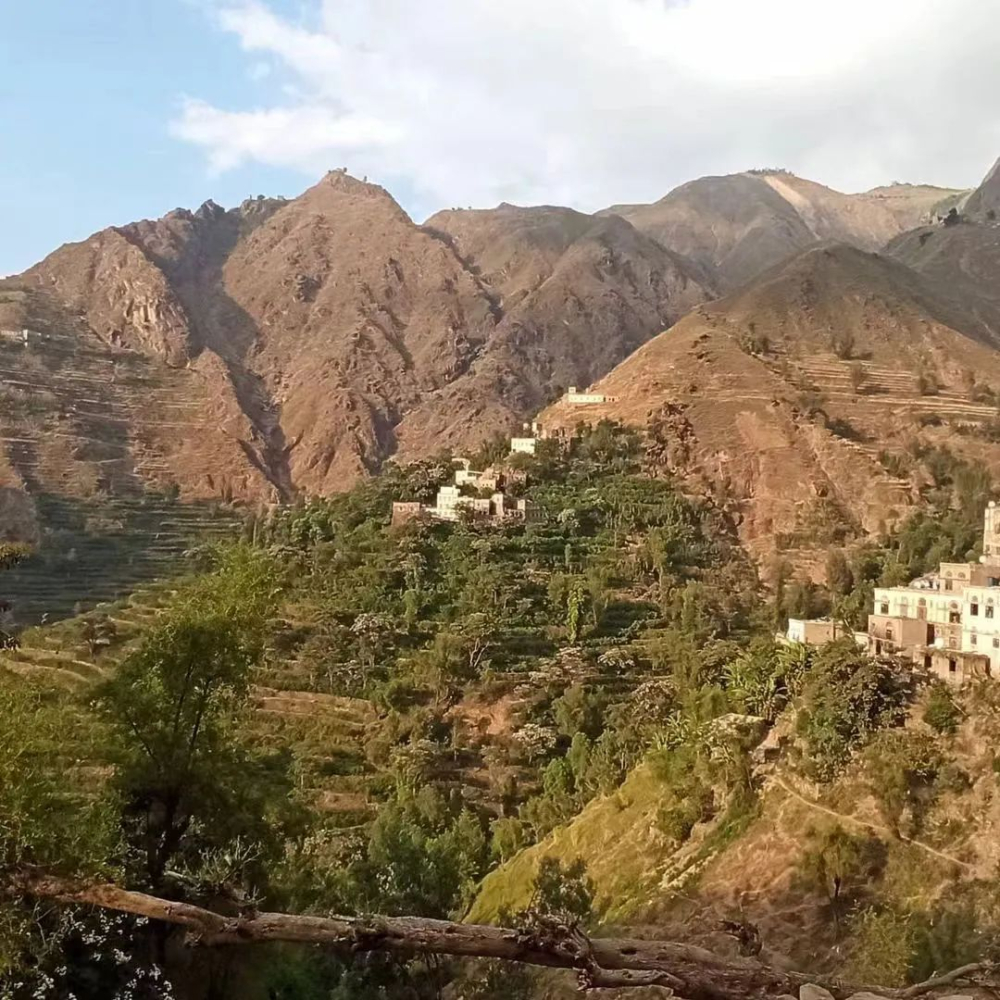
Typically, modern sun-drying processes involve harvesting coffee cherries once they ripen and turn deep red, then placing them on elevated raised beds to dry in ventilated conditions. However, Yemeni farmers often wait until the coffee cherries are fully ripe, turning purple-black in color, or even naturally falling off the tree, before picking them up from the ground to process. This practice demands extremely high standards of climate and environment, and imitating it elsewhere could easily lead to fruit spoilage.
Moreover, when processing the harvested dried coffee cherries, Yemeni farmers do not neatly spread them out on elevated raised beds like other regions. Instead, they place them directly on the dirt ground in front of their homes, on rooftops, or even on untreated flat surfaces. Such environments expose the coffee cherries to direct contact with dust and impurities, further influencing the final flavor profile.
Over the next 20 days or so of drying, farmers use wooden rakes to occasionally turn the coffee cherries, ensuring even exposure to heat and drying. Once drying is complete, a simple stone mill is used to remove the outer pulp and parchment layer, extracting the inner coffee beans. Though this entire process may seem rough, its uniqueness in environment and technique imparts to Yemeni coffee that distinctive “wild” character.
The formation of this flavor is mainly due to the coffee beans absorbing a large amount of external impurities and microorganisms during harvesting and processing, resulting in complex aromas such as earthiness, tobacco, and even slight fermentation notes. This is also the main reason for the polarizing nature of Yemen Mocha’s flavor — enthusiasts praise its depth and complexity, while those less accustomed to it may find the taste overly intense or chaotic.
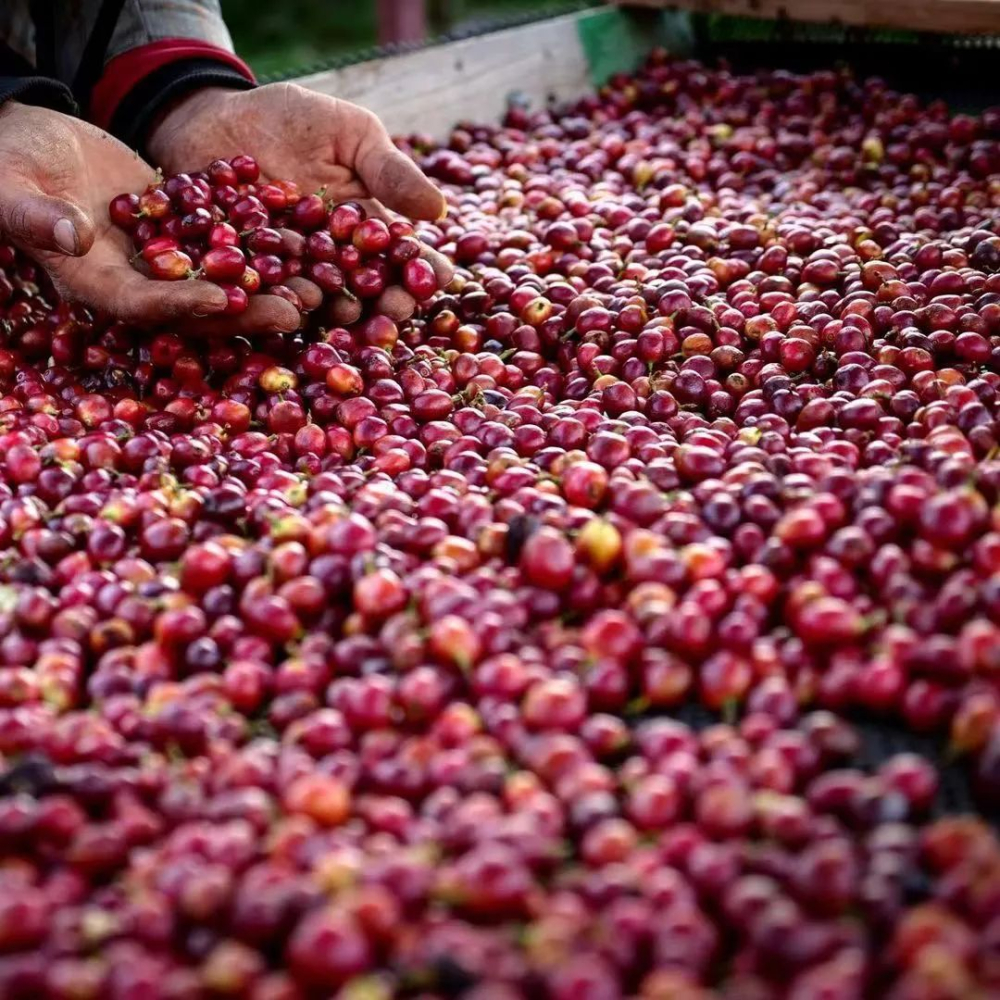
Judging by today’s specialty coffee cupping standards, such processing methods and flavor profiles indeed struggle to meet the criteria for high scores. But in an era when coffee was still a novelty, Yemen Mocha was the first deeply flavored and distinctive coffee many people encountered, leaving an indelible impression.
With the passage of time, Yemen’s coffee processing techniques have gradually improved. Today, more and more farmers are trying to adopt new processing methods, such as the recently acclaimed “Alchemist Process,” which achieves greater stability and consistency in coffee quality through more precise control. However, due to factors such as ongoing conflict and limited production, Yemeni coffee beans that make it to the Chinese market remain rare, making it difficult for many coffee enthusiasts to personally experience its charm.
But the future remains promising. As some professional coffee institutions and importers believe, given enough time and support, the unique value of Yemeni coffee will eventually be recognized and savored by more people.
The above content is compiled by CoffeeHunters, a coffee news website.


