







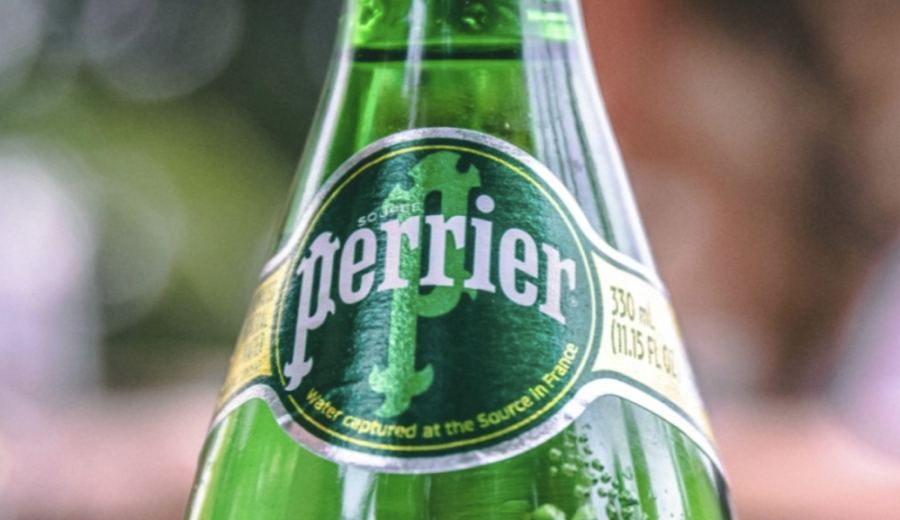
Introduction:Nestlé, the global leader in bottled water, has recently been embroiled in a controversy in France over the disinfection of "natural mineral water." Brands under its umbrella, such as Perrier, have been exposed for using unauthorized methods like ultraviolet light and activated carbon to treat their water sources. French law explicitly prohibits such practices, raising consumer doubts about the authenticity of the "natural purity" label. This article delves into the details of the incident, uncovers the potential risks of Nestlé’s treatment processes, and explores extended issues such as excessive nitrite levels to help you avoid pitfalls when purchasing bottled water.
As a major player in the global food and beverage industry, Nestlé holds approximately one-third of the high market share in France’s bottled water market, with beloved brands like Perrier and San Pellegrino. However, an investigative report by French media in late January this year plunged the giant into a public storm—Nestlé admitted to disinfecting some products labeled as "natural mineral water," a practice traceable to before 2021.
According to stringent French regulations, when bottling natural mineral water directly from its source, any form of disinfection process is strictly prohibited. Only limited physical filtration (such as removing metal ions like iron and manganese) is allowed to maintain water quality, with the aim of preserving the water’s natural microbial characteristics and ensuring consumers can drink it directly from the bottle. But in reality, some of Nestlé’s water sources—including those of Perrier—have long been contaminated with microorganisms like E. coli, and have even tested positive for pesticide residues. This has forced the company to treat these "natural spring waters," along with municipal tap water, using common tap water treatment technologies such as UV sterilization and activated carbon adsorption, before bottling and selling them.
Nestlé officially explained that in recent years, increasingly abnormal climate conditions (such as frequent extreme droughts and heavy rains), coupled with expanding human activity nearby, have led to worsening problems with microbial contamination in the water sources. To ensure drinking water safety, the company claimed it had to adopt "necessary" filtration measures. However, this explanation has been strongly questioned by French media, who argue that such interventions—akin to tap water treatment processes—completely contradict the definition of "natural mineral water" and may constitute false advertising to consumers.
The incident quickly drew attention in the Chinese market—many of Nestlé’s bottled water products sold in China, including imported natural mineral water brands like Perrier, San Pellegrino, and Acqua Panna, as well as domestic products such as Nestlé Pure Life, Dashan, and Yunnan Mountain Spring Water, are everyday choices for consumers. Many have begun to worry: do the Nestlé bottled waters sold domestically also have similar issues with water source quality? Could they constitute consumer fraud?
In response to the scrutiny, Nestlé issued an official statement on February 4, emphasizing that the natural mineral waters it produces in France comply with local regulations. The company claimed to have switched to more precise microfiltration technology, combined with approved activated carbon filtration and UV systems, to ensure product safety and that the mineral content matches what’s on the label. It also promised to have stopped the treatment methods prohibited by French law. However, this response deliberately avoided one critical issue—In December last year, China’s State Administration for Market Regulation found that "Acqua Panna Natural Mineral Water" (distributed in China by Shanghai Nestlé) sold at Walmart (Tianjin) had excessive levels of nitrites, yet Nestlé’s official response completely omitted any mention of this incident.
Consumers should take note: excessive nitrite levels can compromise water safety, and long-term consumption of water with high concentrations of nitrites poses potential health risks. The French disinfection controversy and the domestic nitrite incident together have triggered a comprehensive re-examination of Nestlé’s bottled water quality control processes.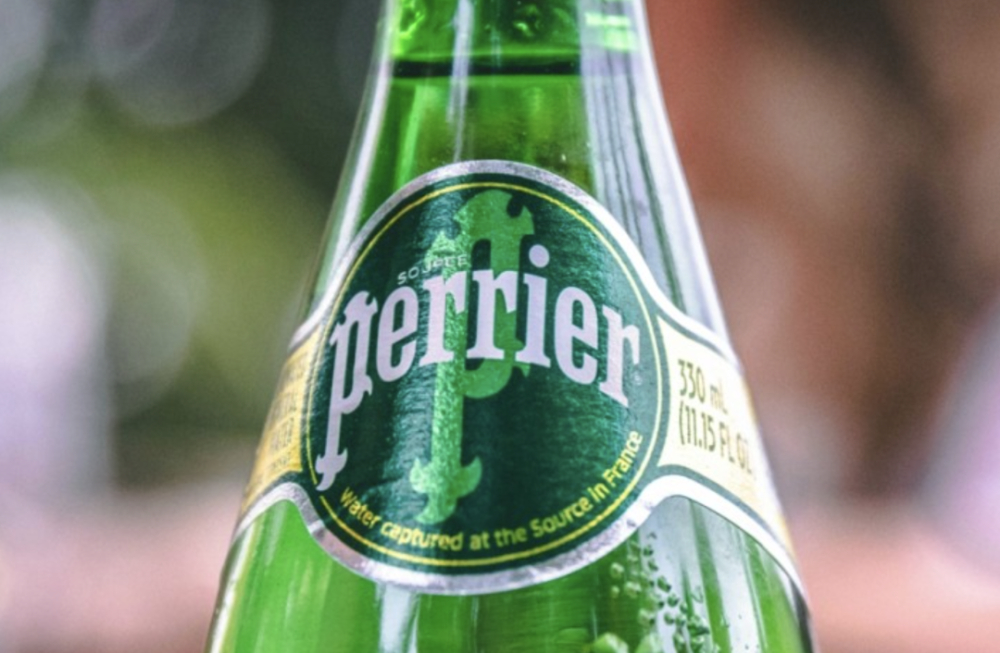 For consumers who prioritize water quality, when selecting bottled water, it is essential not only to consider brand reputation but also to pay attention to the "natural mineral water" certification information on the product label, as well as whether there is an official record of passing inspections—only then can you ensure safe and worry-free consumption.
The above content is compiled by CoffeeHunters, a coffee news website.


