







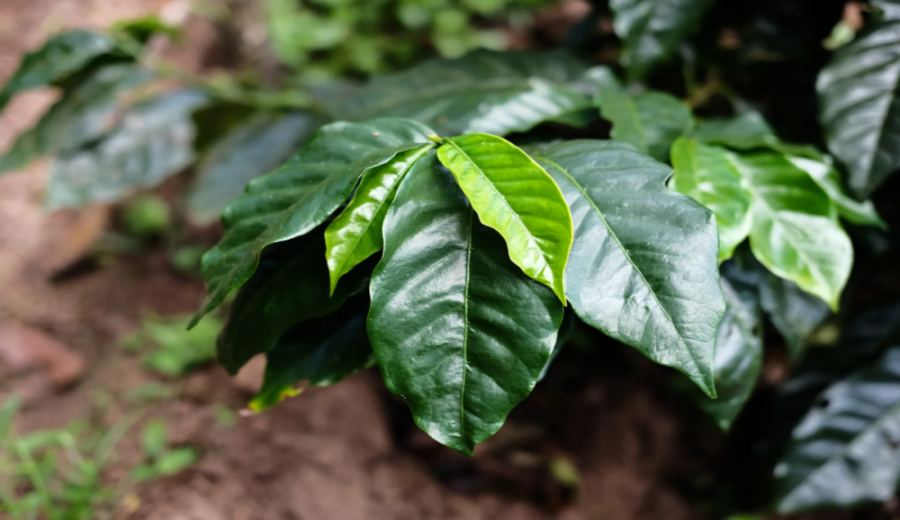
Introduction:This article delves into the high-altitude characteristics of the Marcala coffee-growing region in Honduras, and how a certain brand’s Lychee & Orchid coffee beans develop unique wine-like and fruity flavor layers through low-temperature fermentation in brandy oak barrels. From the historical background of Honduras’ coffee industry and an overview of its major producing regions, to the evolution and practical processing steps of barrel fermentation technology, this guide provides a comprehensive look at the key details behind this uniquely flavored pour over coffee bean—from origin to cup.
Honduras is a major coffee-producing country in Central America, with its Marcala region within the department of La Paz being particularly renowned—not only for its high-altitude advantage but also for producing coffee beans with clear, layered flavors. This article will provide a detailed analysis of the development trajectory of Honduras' coffee industry and the general distribution of its main producing regions, while focusing on the Lychee & Orchid coffee beans from a certain brand—beans that use brandy oak barrels for prolonged low-temperature fermentation, resulting in a distinctive rich wine aroma and long-lasting aftertaste. It serves as a practical guide for coffee enthusiasts who appreciate flavor-oriented beans, offering insight into the producing region and processing methods.
Honduras is located in the northern part of Central America, bordering Guatemala, El Salvador, and Nicaragua, and has coastlines along both the Caribbean Sea and the Gulf of Fonseca in the Pacific Ocean. Although its overall level of economic development is relatively lagging in Latin America, agriculture—especially coffee cultivation—has long been a vital pillar of the country's economy. Historical statistics show that in 2011, Honduras officially surpassed neighboring producing countries to become the nation with the highest total coffee production in Central America.
The country’s terrain is predominantly mountainous and plateau, accounting for over three-quarters of its total area. The mountain ranges generally run east-west, while the central region consists of plateau landforms. Honduras has a tropical climate; coastal areas, influenced by the ocean, exhibit a typical tropical rainforest climate with an average annual temperature of around 23°C. Coupled with abundant rainfall year-round and high forest coverage, the complex terrain and diverse microclimates provide an ideal natural environment for coffee tree growth.
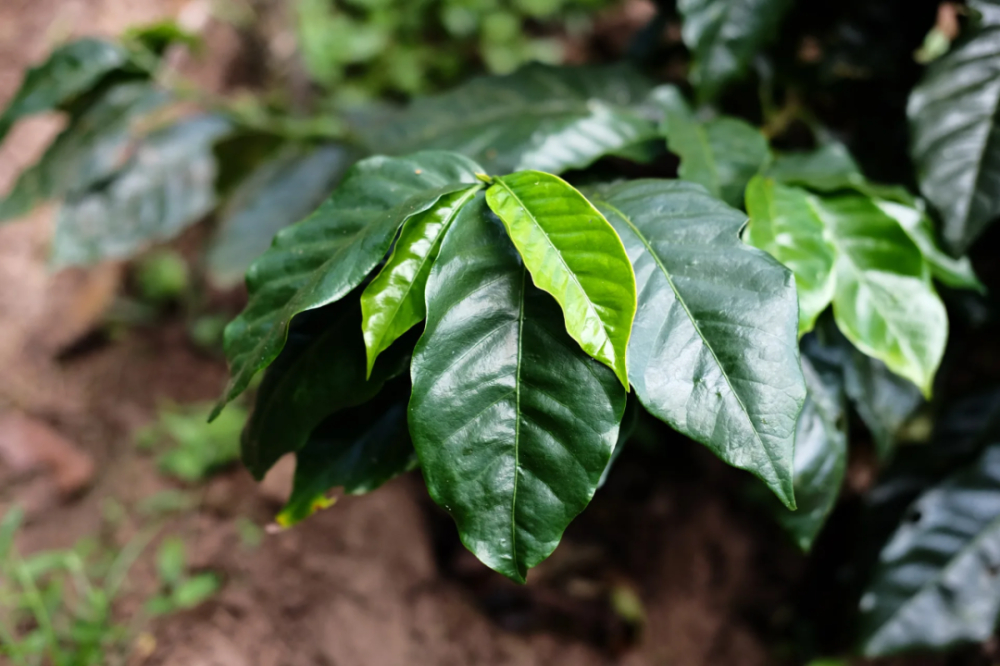
The history of coffee cultivation in Honduras dates back to the late 18th century when Spanish merchants first introduced coffee seeds to the area and attempted small-scale cultivation. However, because it takes several years for coffee trees to grow from planting to harvest, many farmers lacked the patience and instead opted for faster-yielding cash crops such as bananas. It wasn’t until the late 19th century that coffee cultivation gradually began, with the appearance of a few small coffee farms. But due to the lack of stable export channels and port facilities, most coffee beans remained confined to the domestic consumer market.
This situation did not change until the mid-20th century. With the construction of the national road system and gradual improvement of infrastructure, agricultural exports became more convenient. In addition, as banana production declined, coffee smoothly replaced it as the main export agricultural product. In the following decades, with advancements in processing techniques and transportation capacity, Honduran coffee has increasingly shone on the international market and has now become one of the world’s top ten coffee exporting countries.
Among Honduras’ many coffee-producing regions, the Marcala region is part of the larger La Paz department and is one of the highest-altitude and most superior sub-regions. As early as 1970, the Honduran government established the official Instituto Hondureño del Café (IHCAFE), dedicated to improving the cultivation techniques of coffee farmers and the overall quality of coffee, and divided the country into six major producing regions including Copán, Opalaca, Montecillos, Comayagua, Agalta, and El Paraíso—all of which generally have altitudes above 1,100 meters, conducive to producing coffee beans with intense flavors and bright acidity.
The average cultivation height of the Marcala region ranges between 1,200 to 1,600 meters. The high altitude not only slows down the ripening process of coffee cherries but also allows the beans to accumulate richer flavor compounds and a balanced acidity and sweetness, making it one of the sought-after origins among specialty coffee enthusiasts.
When it comes to barrel fermentation techniques, many people first think of the sherry barrel method, but actually, the earliest introduction of barrel fermentation into the field of coffee processing came from the Santa Helena Estate in Colombia. The owner of the estate, in addition to running a coffee plantation, was also involved in the production and brewing of rum oak barrels. Inspired, they decided to repurpose barrels previously used for aging spirits for coffee fermentation, hoping to impart wine-like aromas and flavors to the coffee. This innovative experiment began in 2013, underwent numerous adjustments and trials, and it wasn’t until 2017 that they successfully stabilized the ideal flavor profile and officially launched it to the market.
Inspired by this, Honduras’ Mocha Estate also followed suit, experimenting with whiskey sherry barrels and brandy barrels for coffee fermentation processing, and successfully developed coffee beans with uniquely flavorful profiles. Currently on the market, the Lychee & Orchid coffee beans offered by a certain brand are one of the most representative products.
The Lychee & Orchid coffee beans utilize a low-temperature fermentation process in brandy barrels. The processing procedure begins with standard washed processing of ripe coffee cherries to remove the outer skin and pulp. Then, the mucilage-covered coffee beans are placed into cleaned and temperature-controlled brandy oak barrels, where they undergo static fermentation at a constant low temperature of 15–20°C for 30 to 40 days. During this process, the original aromatic compounds of the barrels slowly permeate and interact with the inherent flavor compounds of the coffee beans, ultimately forming a unique flavor profile with rich wine notes accompanied by delicate fruity and floral undertones. After fermentation, the coffee beans go through appropriate drying procedures before moving on to the roasting and grinding stages, delivering a rich and layered taste experience for pour over or filter coffee enthusiasts.
The above content is compiled by CoffeeHunters, a coffee news website.


