








Introduction:Purchased high-quality coffee beans but lost their aroma due to improper storage? Understand the difference between the coffee bean resting period and shelf life, master the three key factors that accelerate deterioration—oxygen, moisture, and high temperature—and learn the correct storage methods so that every bean can deliver its optimal extraction performance. This article details how to extend the coffee bean shelf life and is suitable for reference by all brewing enthusiasts, whether you prefer pour over, French press, or other methods.
During the Lunar New Year, many coffee lovers take the opportunity to stock up and prepare enough beans to enjoy the rich flavors during the long holiday. But after purchasing a large batch of coffee beans, how to store them properly to avoid flavor loss becomes a common concern. In fact, by mastering scientific storage principles, you can effectively extend the peak enjoyment window of your coffee beans, ensuring every cup retains the rich complexity it had when first opened.
What exactly are the resting period and shelf life?
When coffee beans have just been roasted, they accumulate a large amount of carbon dioxide internally, which will gradually be released over the next few days to weeks. The period from the completion of roasting to when the internal carbon dioxide drops to a level that no longer affects extraction is what we call the "resting period."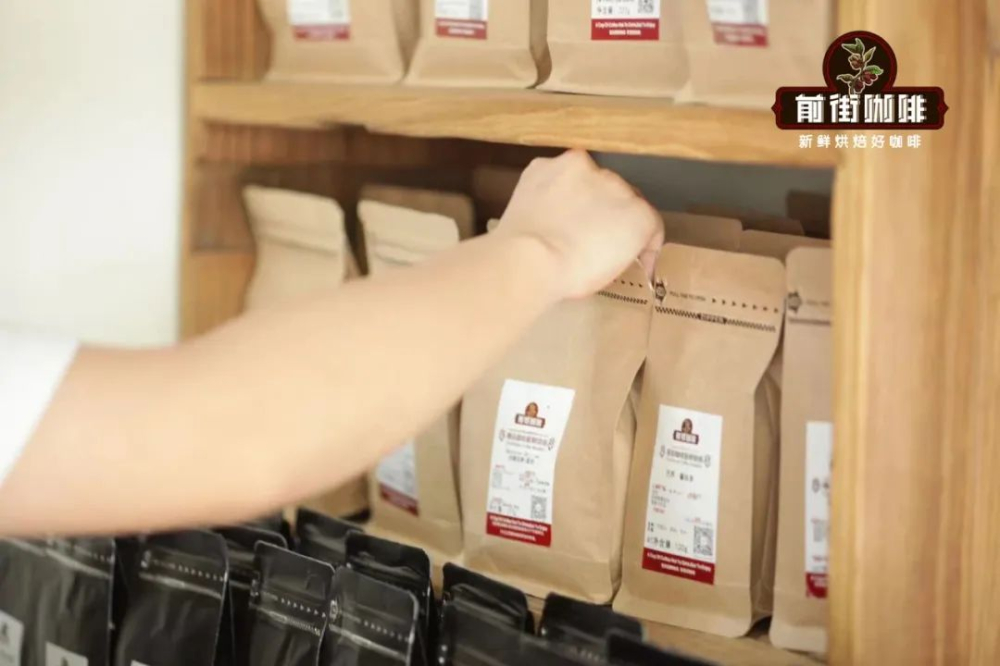

At the same time, along with the release of carbon dioxide, numerous volatile aromatic compounds are also emitted, and these too will slowly dissipate over time with exposure to oxygen. During this golden period when the aromatic components have not yet significantly diminished, we call it the "shelf life," and it is during this time that coffee often exhibits its most robust flavor profile. Generally speaking, properly stored coffee beans have an optimal shelf life window of about 45 days, though the exact duration depends on the roast level and storage method.
The three major enemies of coffee bean freshness
To maintain the aroma of your coffee beans, the top priority is to avoid the three main factors that accelerate flavor loss: oxygen, moisture, and high temperature.
Oxygen: The primary culprit behind rapid flavor loss
Among all the factors affecting coffee freshness, oxygen is the most direct and significant in its destructive power. Once coffee beans are exposed to air for an extended period, oxygen rapidly triggers oxidation reactions, causing a sharp decline in aroma and taste. Compared to other slowly acting factors, oxygen can turn coffee from fragrant to bland in a short time.
Although completely eliminating oxygen is difficult, it is recommended to seal the packaging immediately after each use to reduce the time and opportunity for the beans to come into contact with air—a simple yet effective way to preserve freshness.
Humid environments: Quietly damaging coffee quality
Coffee beans are most afraid of being stored in high-humidity environments. Once they absorb too much moisture, they are not only prone to becoming damp but may also develop issues such as mold. Especially for dark roast beans, whose surfaces often have an oily sheen, it is even harder to judge dampness from appearance alone, and brewing them carelessly can greatly affect flavor performance.
To maintain the dryness of coffee beans, it is recommended to store them in a ventilated and dry environment, avoiding areas near sinks, washing machines, or any places prone to generating moisture.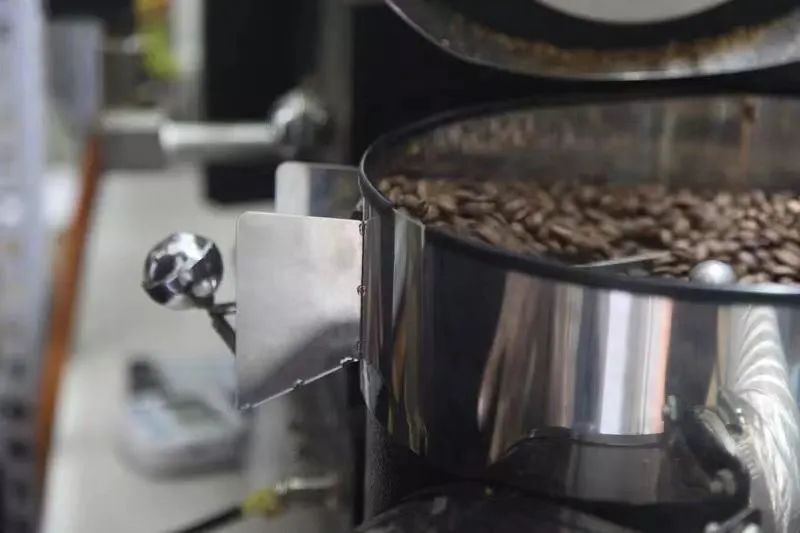
High temperature: Accelerating the evaporation of aromatic compounds
In addition to oxygen and moisture, high temperature is also a major enemy of coffee bean storage. Prolonged exposure to heat sources, whether from electrical appliance heat dissipation or direct sunlight, will cause the aromatic compounds in the beans to evaporate quickly, significantly shortening the shelf life.
The ideal storage environment for coffee beans should be cool, dry, and away from heat sources. It is particularly important to note that even if some coffee bags use aluminum foil packaging to block light, under continuous high temperatures, they still cannot effectively protect the beans from damage. Therefore, never place coffee beans in direct sunlight.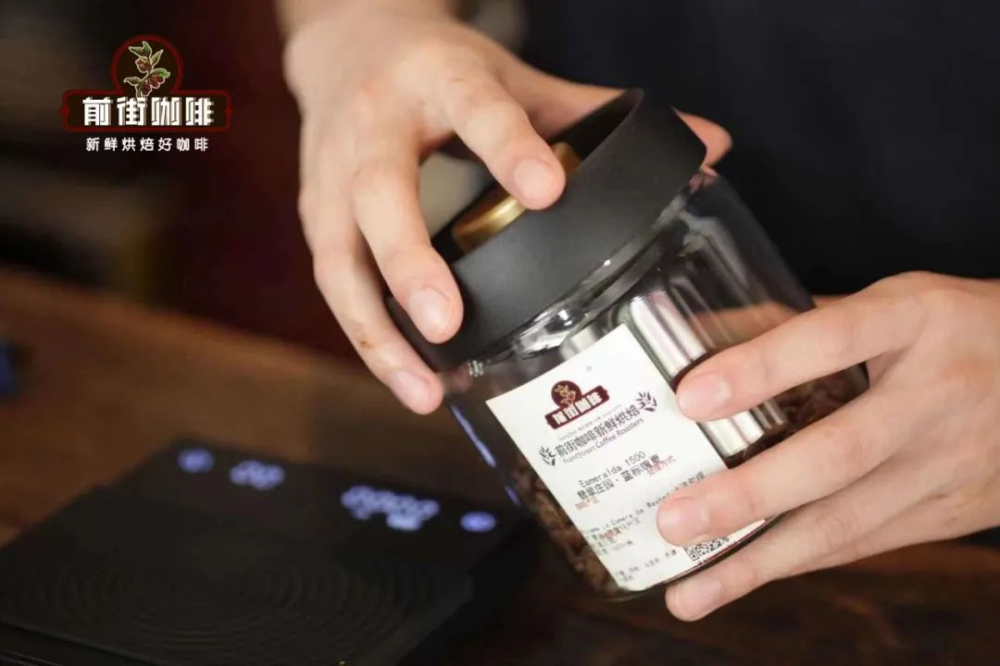
Scientific storage tips
To further extend the shelf life of coffee beans, consider using storage canisters with vacuum functions to effectively reduce oxygen exposure; or use stickers to temporarily seal the degassing valve on the bean bag to slow down the rate of oxygen exchange. Additionally, it is recommended to only take out the amount of coffee beans needed for each brew to avoid repeated opening that leads to aroma loss.
Freezer storage: Not a cure-all
Many people consider placing coffee beans in the freezer to extend their shelf life, but this method requires very strict control, including package airtightness, the stability of the freezing environment, and the proper warming process before brewing. Without comprehensive precautions, freezer storage may actually damage the aroma and degrade the taste. Therefore, unless there are special needs, it is recommended to prioritize fresh beans and maintain their optimal condition through proper storage methods.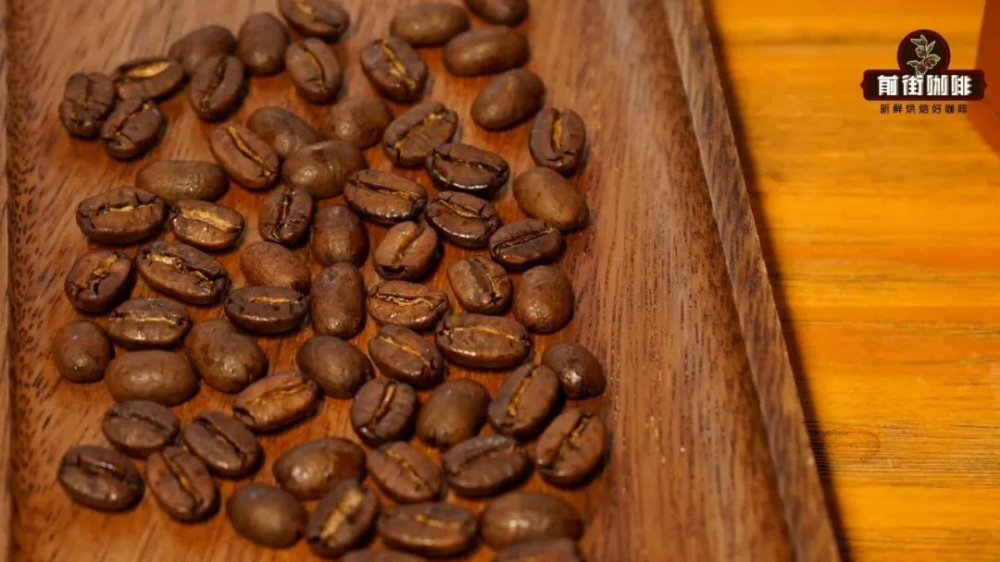
The above content is compiled by CoffeeHunters, a coffee news website.


