







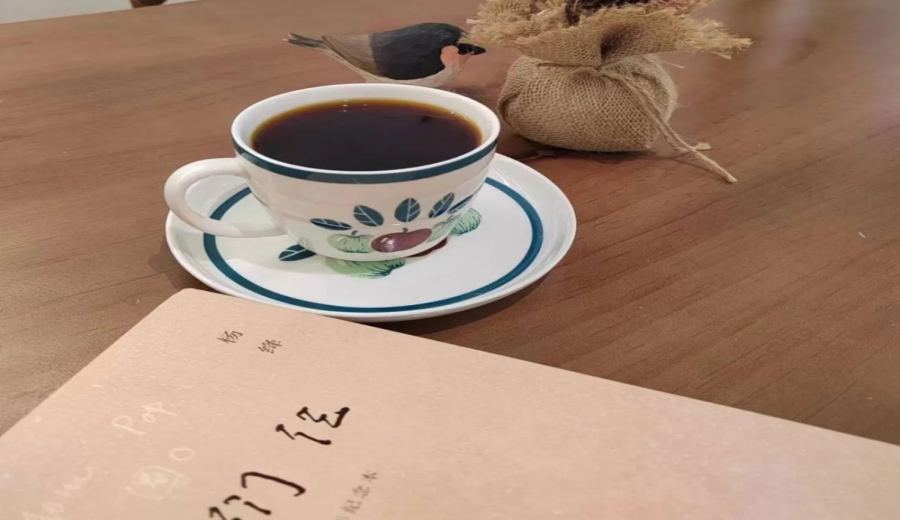
Introduction:A bookstore in Beijing launched a "books for coffee" exchange program, but it sparked widespread online discussion due to its strict criteria: only hardcover bestsellers published within the last 20 years, with more than 200 pages and an original price of over 39 yuan are accepted, while many other types of books are excluded. This article delves into the details of these policy conditions, explores the balance between the value of books and coffee, and offers practical advice on selecting and exchanging used books.
Walking into a café with an old book and exchanging it for a cup of aromatic coffee — such a literary scene has quietly gained popularity in some bookstore cafés. However, a "books for coffee" event recently launched by a Beijing bookstore, with its highly specific and stringent conditions for used books, has recently stirred extensive online debate.
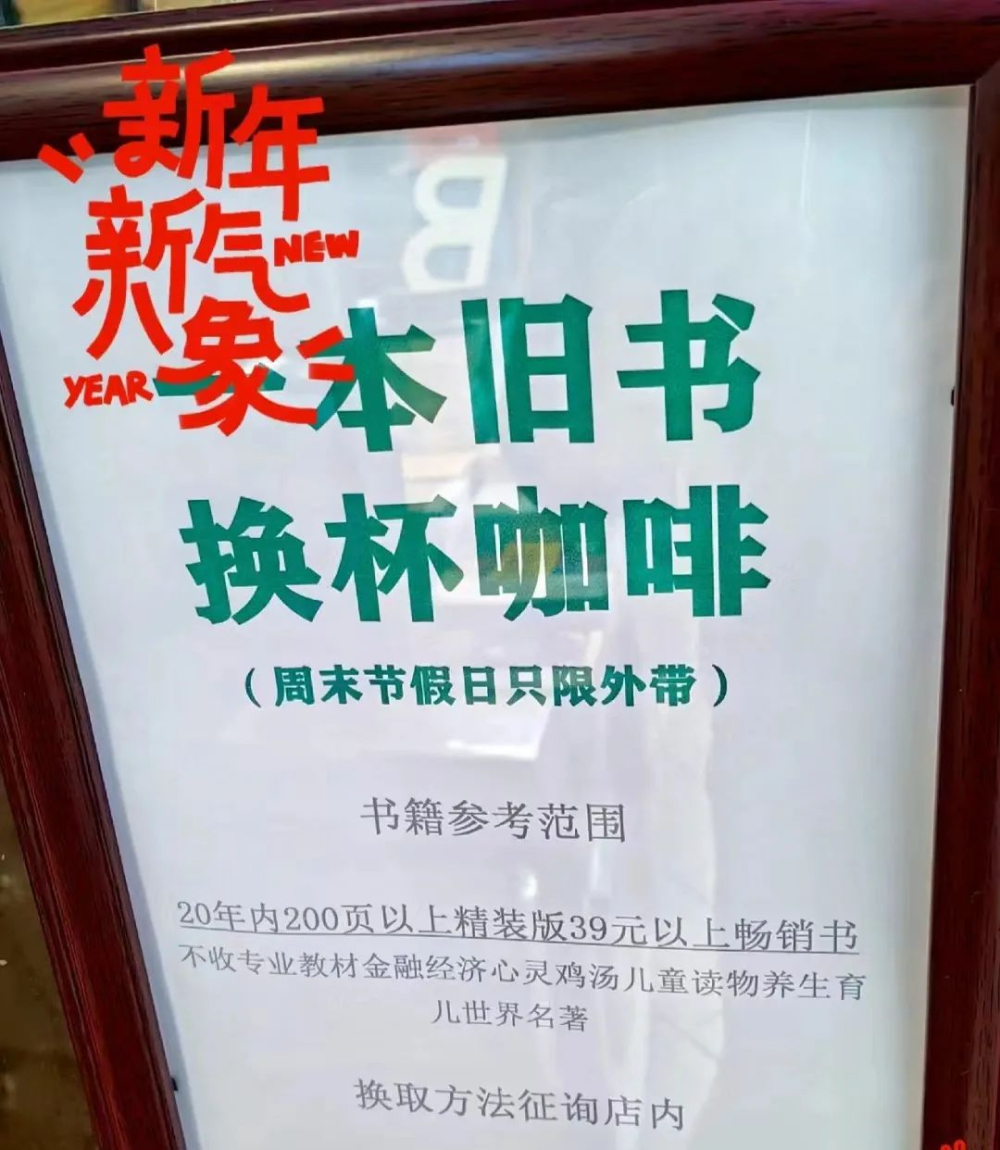
It is understood that the bookstore explicitly stipulates that only best-selling books published within the last 20 years, with more than 200 pages, hardcover binding, and an original price above 39 yuan will be accepted. In addition, the bookstore specifically lists types of books that are not accepted, including professional textbooks, finance and economics, self-help or motivational books, children’s literature, health and wellness, parenting, as well as world classics and other common categories.
Such clear and "high-threshold" book acceptance standards quickly sparked heated responses on social media. Many netizens questioned: "Is an affordable cup of coffee really worth trading for my hardcover book?" "My book that cost 39 yuan is worth far more than a cup of coffee!" "With requirements like these, I might as well just sell the book second-hand."
However, readers who have actually tried the exchange noted that there are actually quite a few books that meet the criteria, such as Chinese translations of foreign novels or social science publications, which could qualify. This reader also pointed out that outdated magazines, old reference books, or periodicals like Reader's Digest or Youth Digest are indeed difficult for the shop owner to accept, so the restrictions make some sense.
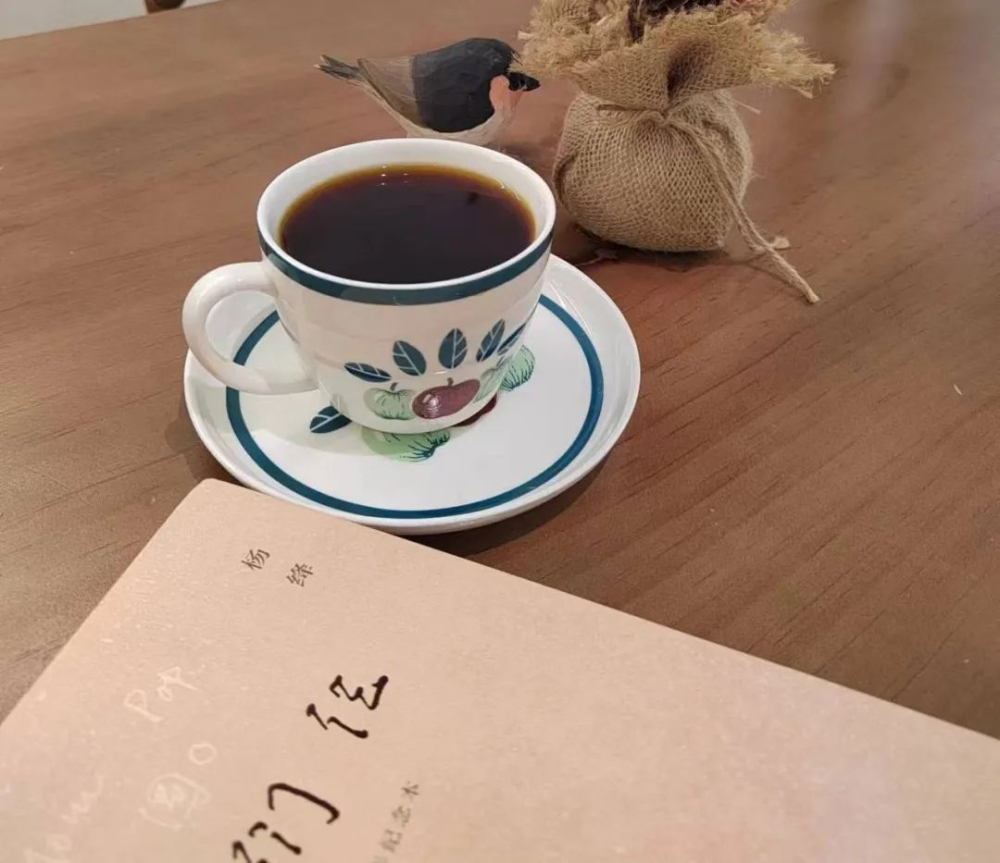
Many netizens in the comments section pointed out that a high-quality hardcover book often not only exceeds the price of an ordinary cup of coffee, but also holds far greater reading value and longevity compared to instant beverages. One avid reader put it bluntly: "A good book can be read over and over, offering new insights each time, while coffee is gone once you drink it — the value of the two simply can’t be compared."
Industry insiders analyzed that the intention behind bookstores launching "books for coffee" programs is to attract book lovers to also fall in love with coffee through a warm-hearted initiative, thereby enhancing customer engagement and interaction within the space. However, overly detailed and "high-standard" acceptance criteria for used books may actually deter many potential participants and could even affect the overall brand image and foot traffic.
One netizen admitted: "Seeing such conditions feels somewhat offensive — it puts me off not just from exchanging books, but even from getting a cup of coffee." This shows that bookstores need to find a more nuanced balance between creating a literary vibe and managing actual operational costs.
If you’re also planning to bring books to exchange for coffee, it is recommended that you first confirm whether your books meet the basic criteria of being "published within the last 20 years, over 200 pages, hardcover, and originally priced above 39 yuan," and avoid the explicitly excluded categories. If you have old magazines, reference books, or classic literature on hand, you might consider selling them via second-hand platforms or donating them to libraries or charitable organizations, allowing the books to serve a greater purpose.
The above content is compiled by CoffeeHunters, a coffee news website.


