








Introduction:Have you ever wondered why coffee called "Mocha" is both common and uncommon? This article delves into the origins of Mocha coffee, from the 15th-century trade history of the Yemeni port of Mocha, to the evolution of Italian-style specialty coffee, and how it became a staple in cafés after World War II—only to gradually fade from mainstream menus. We’ll break down the classic Mocha recipe, analyze its differences from a latte, explore how health trends and the rise of specialty coffee have influenced the presence of this drink, and provide a practical guide to making an iced Mocha.
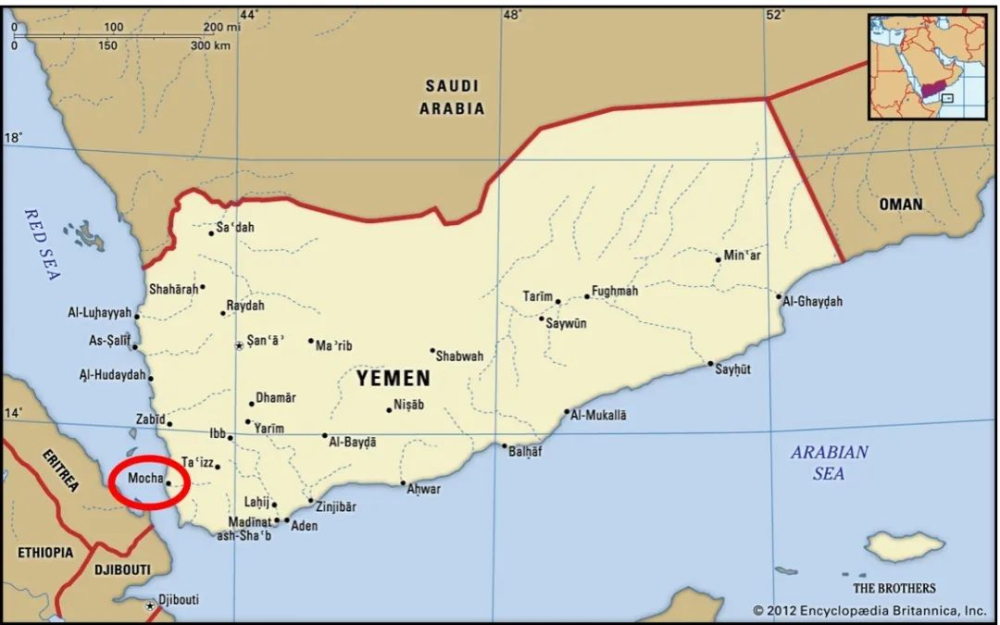
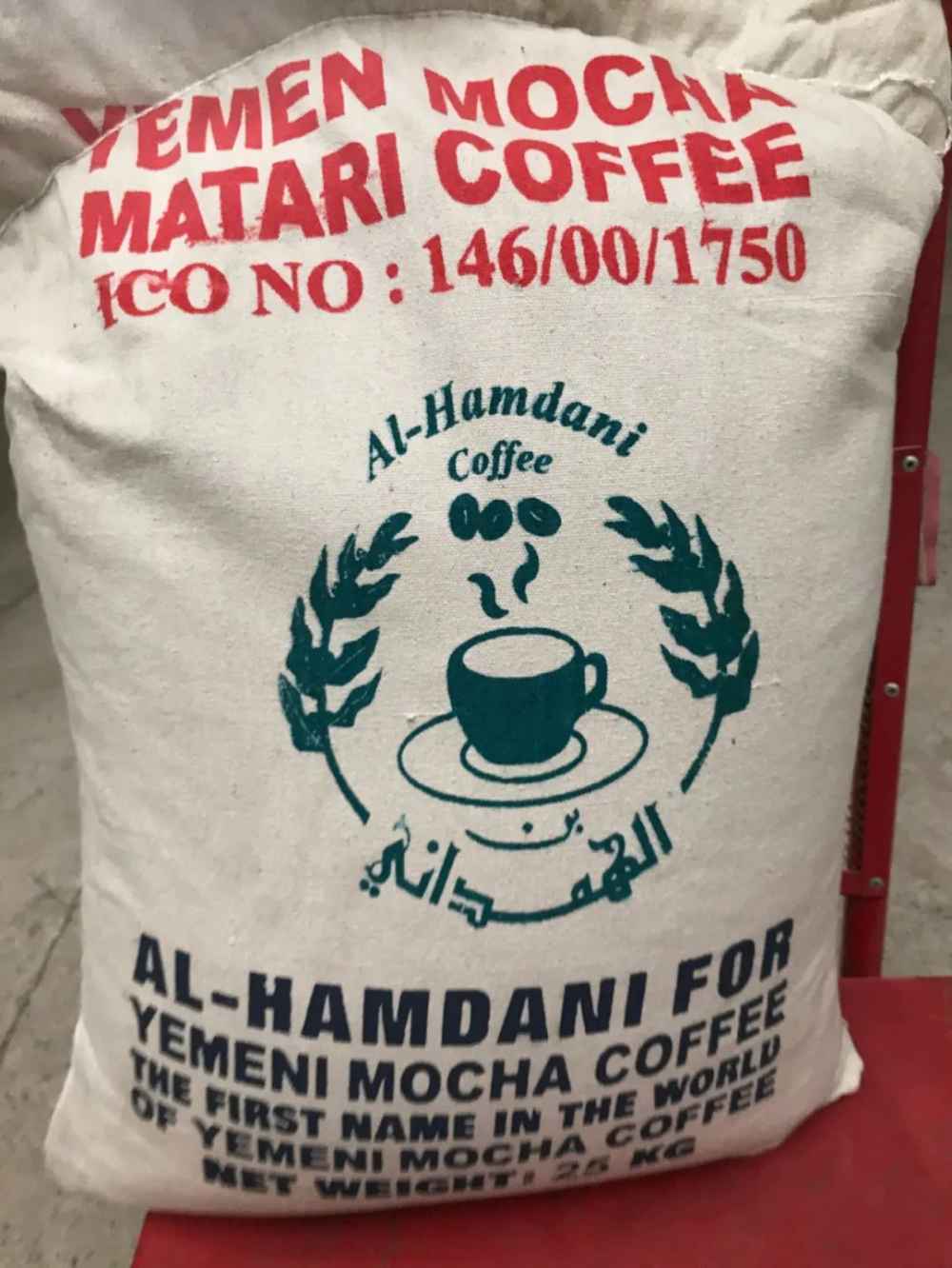
The term "Mocha" often evokes thoughts of a rich blend of chocolate and coffee, but its origins actually date back to the distant Yemeni port. Starting in the 15th century, the Yemeni port of Mocha was not only a key gateway for local coffee exports, but also a central hub of global coffee trade. During that time, coffee beans from Yemen and parts of Africa would first converge at the port of Mocha, then be shipped by sea to Europe and beyond. Because the burlap sacks containing the beans were labeled with the word "MOCHA", these beans gradually came to be collectively referred to as "Mocha coffee" by European importers.

The coffee beans shipped from the port of Mocha at the time almost monopolized the entire European market. These beans were known for their small size and intense aroma. When subjected to dark roasting, they released a rich flavor and smooth aftertaste, along with a hint of natural chocolate notes—making them highly popular. This is the origin of the name "Mocha coffee", and also the earliest source of its association with chocolate flavors.
However, the Mocha we’re familiar with today—made with chocolate syrup—didn’t appear until the 18th century in Italy. As tensions between the Ottoman Empire and Europe grew, the supply of Mocha coffee was restricted, and Mocha beans gradually became scarce. To recreate that intense chocolatey character, Italians began adding cocoa powder to coffee to mimic the flavor profile of the original Mocha beans. With the invention of the espresso machine, various espresso-based specialty coffees quickly gained popularity, and Mocha gradually became one of the key members of this category.
By the post-World War II era, Italy’s espresso extraction techniques had been widely accepted. However, due to the diverse and inconsistent quality of coffee beans available at the time, many cafés opted to blend beans from different regions and use dark roasting methods to produce richer crema and roasted aromas—ensuring flavor stability and cost control. The most distinctive impression of coffee from that era was its "bitterness".
The high-temperature, high-pressure espresso extraction process tends to amplify both the strengths and weaknesses of the beans, so not everyone is accustomed to drinking pure espresso straight. To balance the bitterness and cater to popular taste preferences, many cafés began adding syrups, chocolate sauce, whipped cream, or even ice cream to espresso drinks—spurring the rapid growth of flavored coffees. Mocha coffee was one of the standout representatives.
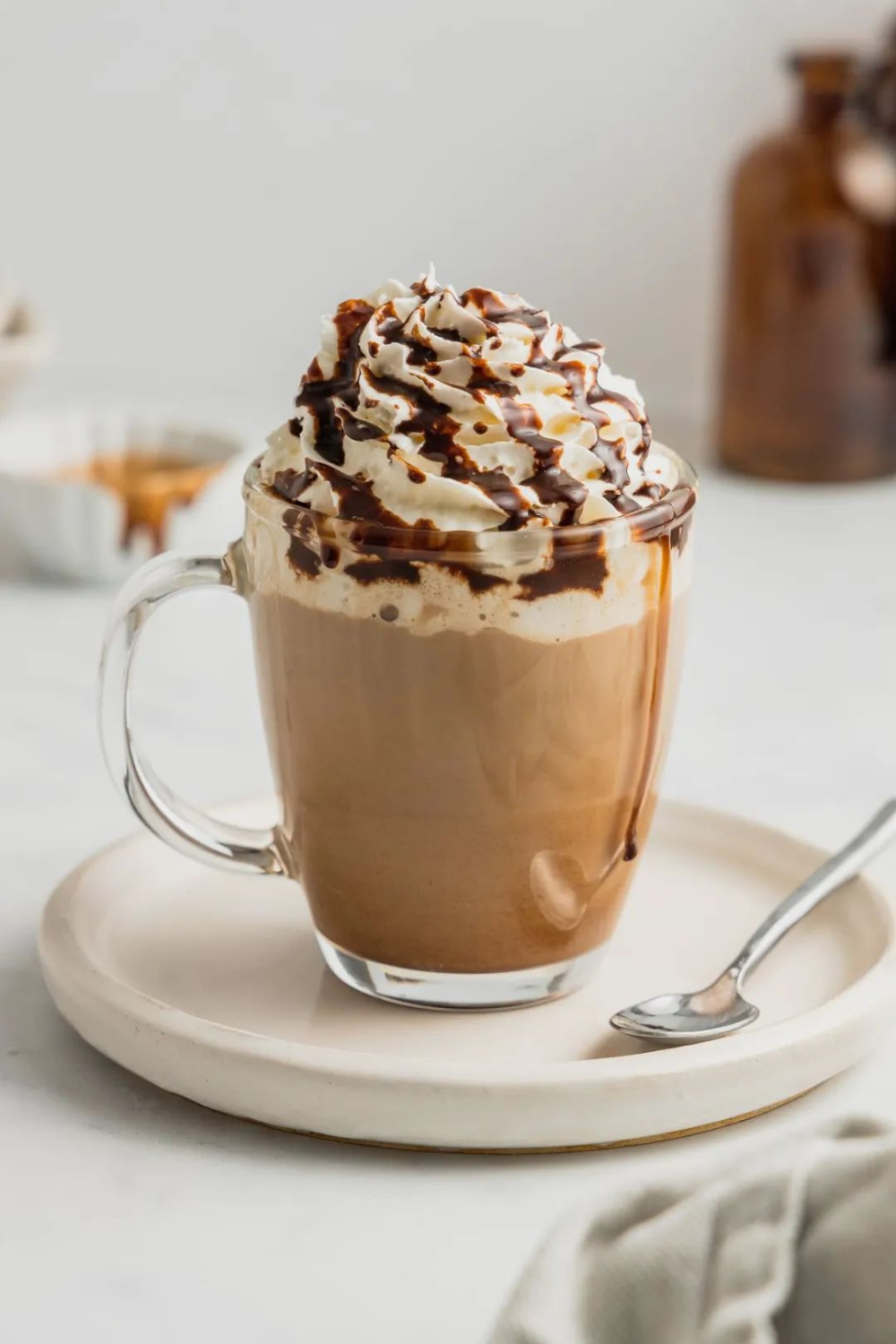
Traditional Italian Mocha primarily consists of espresso and hot milk, flavored with chocolate sauce. Some recipes substitute with cocoa powder, dark chocolate, or chocolate-flavored syrup instead. To enhance texture and visual appeal, whipped cream is usually piped on top and sprinkled with cocoa powder, cinnamon, or drizzled with additional chocolate sauce for garnish. This combination not only mitigates the bitterness of the espresso but also adds rich layers of flavor—making it a favorite among consumers.
However, with the rise of specialty coffee culture—known as the third wave of coffee—consumers and industry professionals began to pay more attention to coffee origin, variety, and processing methods, seeking single-origin coffees that highlight the unique characteristics of a specific region. In this trend, roasting styles gradually shifted from dark roast to medium or light roast, to preserve more floral, fruity acidity, and inherent flavor profiles. The chocolatey appeal that once made Mocha coffee stand out became less distinctive compared to many emerging single-origin options.
In addition, the rise of the tea beverage market—especially various milk teas and fruit teas targeted at younger audiences—offered a wider range of sweeter, more balanced drink options. Coupled with growing health awareness in recent years, the popularity of low-sugar and low-calorie diets has increased. Mocha coffee, often high in sugar and loaded with various additives, naturally lost its market appeal and gradually disappeared from the menus of mainstream cafés.
Nevertheless, beverages that combine coffee and chocolate still maintain a loyal following. Whether it’s flavored coffees with chocolate elements or specially crafted drinks for chocolate lovers, they can still be found in many cafés. If you’re a Mocha fan, you can actually recreate the classic taste at home with ease.
Here’s a practical method for making an iced Mocha—just a few simple steps are needed. Ingredients include: double espresso, a small amount of chocolate sauce, 200g fresh milk, and some ice cubes. For added flavor, you can prepare cocoa powder or cinnamon powder for garnish.
Steps: First, take a clear glass cup and apply a small amount of chocolate sauce inside the rim for decoration. Then add ice cubes and about 100g of iced milk. Next, pour in the double espresso that has been pre-mixed with about 10g of chocolate sauce. Add finely textured iced milk foam made using a French press or milk frother. Finally, you can draw a pattern on the foam surface with chocolate sauce (for example, a large concentric circle with a smaller circle inside, draw a cross from the inside out, then crisscross from the outside in). And just like that, your visually appealing and richly flavored iced Mocha is complete.
The above content is compiled by CoffeeHunters, a coffee news website.


